Tire branding iron and 3 other ways to identify tires
 Jean Zart 4 min read
Marking is a practical way to tell the tires in a fleet apart, making it possible to control these assets. Without individual identification, there is a high chance of errors.
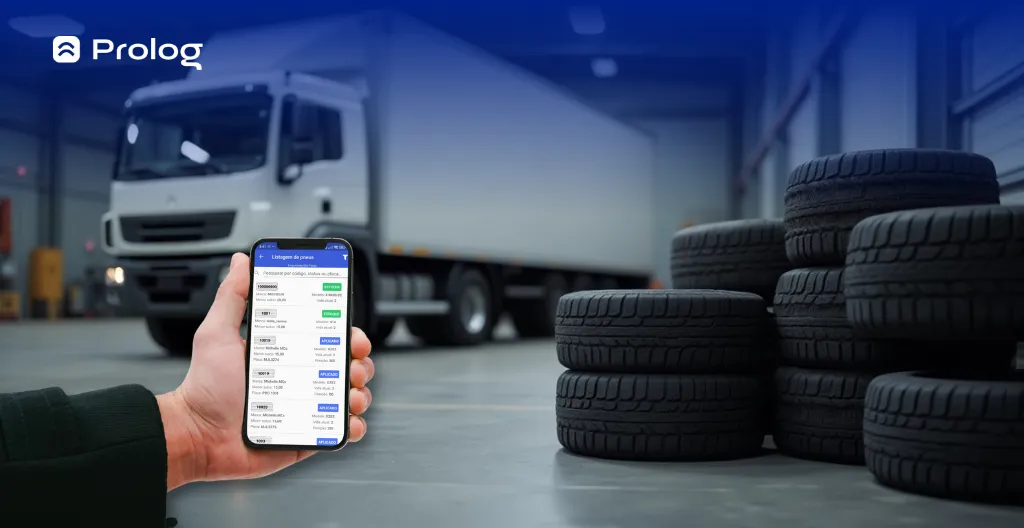
As the number of vehicles in the fleet grows, following up on the condition and status of each tire requires more organization. For this control, consider an identification that lets you recognize each unit and look up its registration.
Without this care, follow-up can be subject to confusion, waste and high costs for the business. The goal is not just to mark the rubber: it is to keep a reference for the records of each tire.
How to identify tires for control?
(video in Portuguese)
Before choosing, consider how easy the identification is to read, the resources available and the routine of whoever will look up the registration. Also compare the limitations of each method. The choice can start with a question: will the team be able to recognize the unit and keep its records organized day to day?
Hot branding
Marking tires with a hot iron is popularly known as hot branding. In the process, the marker burns a numeric sequence into the tire sidewall, different for each asset, which becomes its identification in the company's systems.
This type of mark is made by heating the iron numerals with gas or charcoal. Here, there is concern about the risk of burns to the employee or of damage to the tire rubber.
Because of these risks, it is a tire marking process that should be carried out exclusively by professionals in the field. Do not treat applying heat and pressure as a task that can be done with only a brief description of the method.
Want to see this in your fleet? Talk to a Prolog specialist
Electric marker
The electric tire marker is a type of portable device that usually has a cable outlet for power, a lever to change the numbers and some specific features that can make it easier to handle.
Using it involves setting the numbering and heating the device with electric power. Some devices have automatic temperature control, as Pneumark reports. This feature should be checked on the model being evaluated, without assuming that all markers work the same way.
Marking does not end the control work: after it, the tire needs to be registered in the tire management system and taken to inventory, or mounted on a vehicle. Consider how this registration will be organized when choosing the method, in addition to the device's characteristics.
Laser marker
The laser tire marker, in turn, is a large piece of equipment, more modern and technological. Most models on the market have a panel with an intuitive interface and make markings for machine reading and barcodes.
It allows marking with letters, numbers, characters, phrases and logos, giving the tire a unique identity. When comparing this alternative, consider which of these formats make sense for your identification and lookup routine, instead of choosing based only on the variety of markings.
Tire marker pen
A tire marking pen is a marker with permanent ink. Ideally, buy white and pay close attention to whether its packaging says it can be used on surfaces such as rubber.
Considered an industrial pen, it is made of oil and solvent and takes around 2 minutes to dry completely after application.
Marking a tire with a permanent pen is completely manual. Just shake the marker, write and wait for the drying time.
The issue with this marking is that the ink, in most cases, ends up smudging and can cause confusion when reading the numbers on the tire. Consider this limitation when assessing whether the pen fits the team's routine.
Why is tire identification important?
It is through a mark that you can find an item in inventory or add it to a truck, with visibility and follow-up of its useful life. In this way, the mark helps with locating the units and with their maintenance.
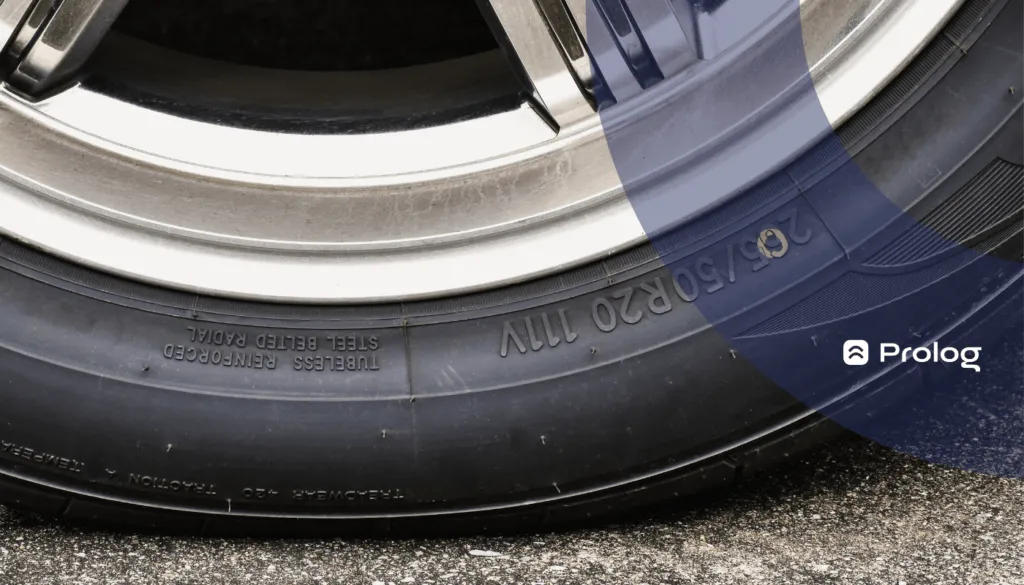
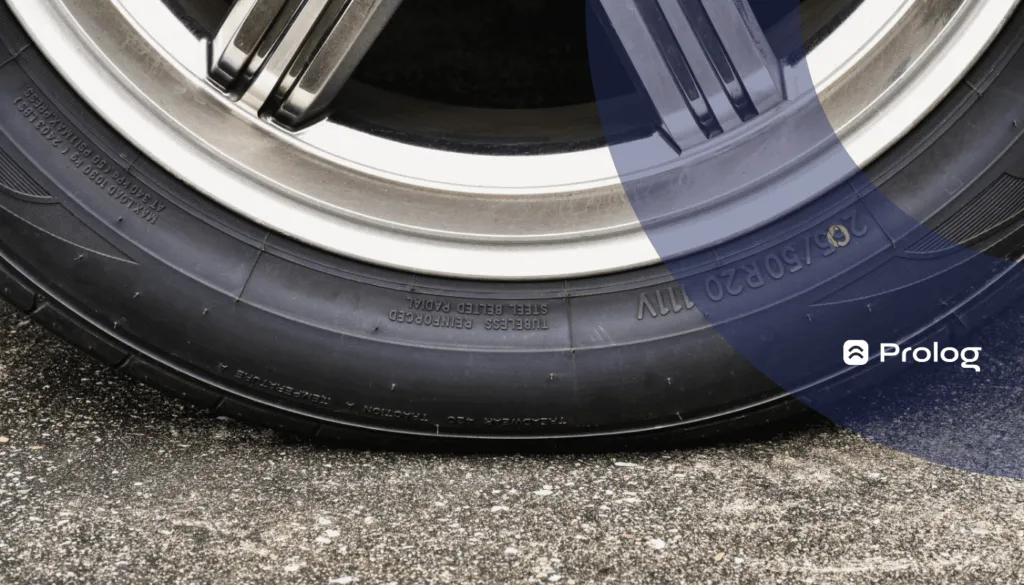
Tires have markings on the sidewall that gather information, as Continental explains. So it is not correct to say they arrive without any kind of identification. For individual control in the fleet, consider how each unit will be recognized and linked to its registration.
When you register the tire in the management system, controlling the units becomes easier. Among the benefits, tire identification helps to:
- Indicate which vehicle it is on;
- Help recognize its pressure and tread depth;
- Assess when to send it for retreading;
- Show how many kilometers it has already run;
- Show how much has been spent on purchase and retreading.
This information depends on the records made by the team, based on manual inspections and workshop entries. Marking identifies the unit; it does not measure its pressure or its tread depth. Consider keeping the same identification in inspection records, relocations and services, to make looking up the history easier.
This information brings knowledge to your management, enabling faster and more accurate actions. After all, each unit is unique, and this is a way to give specific attention to each one of them.
Besides making the routine more efficient, this care can help make the most of tire useful life and control costs. Prolog offers individual control of each tire, bringing together wear, retreading, life cycle and cost per tire.
Discover the Prolog Tire Management solution now!
Frequently asked questions
What is a tire branding iron and how does it work?
What is the difference between an electric marker and a laser marker?
Can a permanent pen be used to mark tires?
Why identify the tires in a fleet?
Do tires come identified from the factory?
// newsletter
Fleet management content, straight to your inbox
Articles on tires, maintenance and fleet operations. No spam.