Fleet vehicle washing: how to organize the routine
 Jade Zart 4 min read
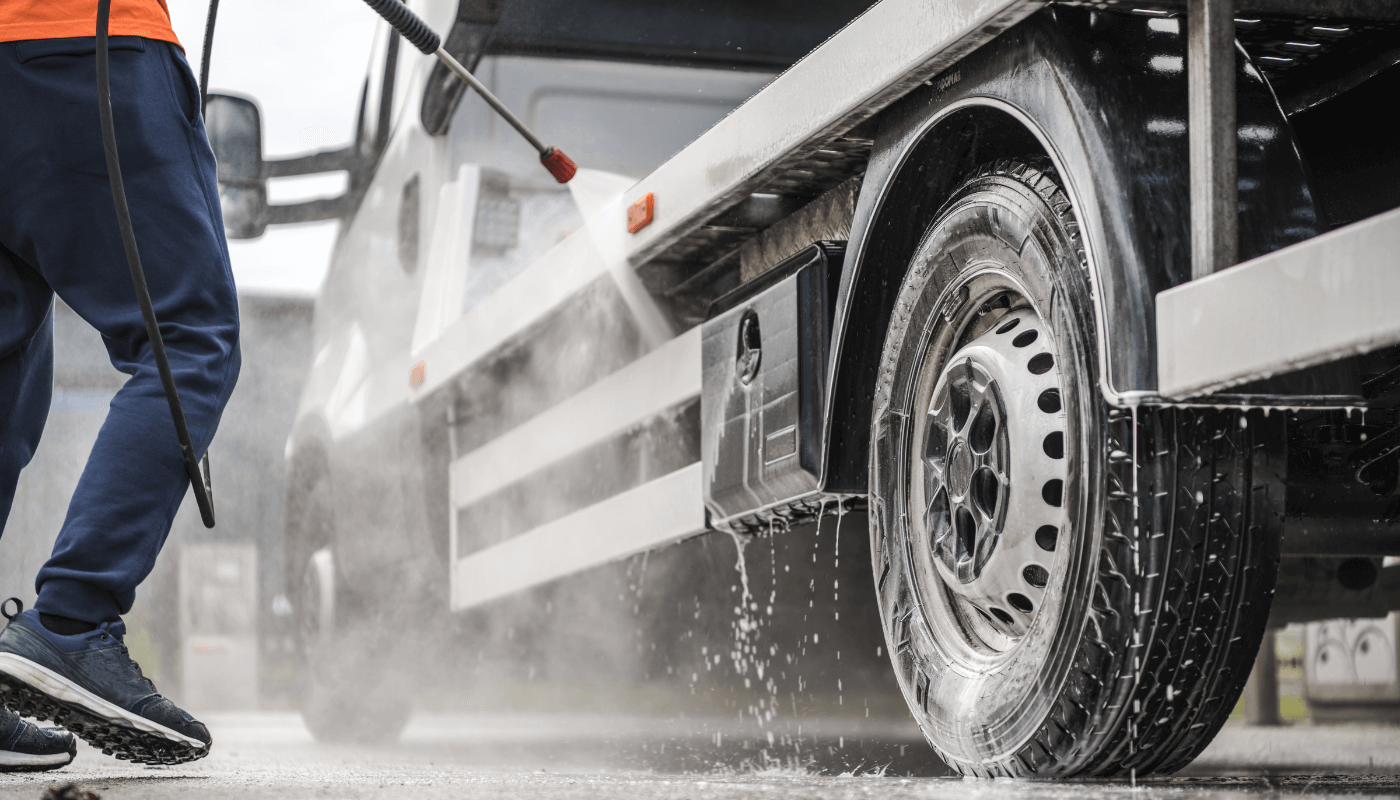
Vehicle washing is an important fleet activity that contributes to different factors, such as reducing damage to vehicle appearance and improving perceptions of the company's image.
In addition, proper washing plays an essential role in reducing corrective maintenance, removing debris and dust that could cause wear and issues with vehicle operation.
Learn more below about:
- What fleet vehicle washing is;
- Why vehicle washing matters;
- How to wash vehicles;
- Eco-friendly washing: a sustainable measure;
- How to manage vehicle washing and sanitizing.
What is fleet vehicle washing?
It is an activity that cleans the vehicle's exterior, removing stains and dirt to renew the appearance of its bodywork.
It is important to stress that washing differs from sanitizing, which focuses on cleaning the vehicle's interior, eliminating dirt and fighting fungi and bacteria.
The main goal of vehicle washing is to ensure vehicles are well cared for, both to avoid dirt-related damage and wear and to maintain a good appearance and contribute to the company's quality image and reputation.
Clean, well-cared-for vehicles convey professionalism and care to the public and customers.
Why is vehicle washing important?
Besides giving vehicles a more pleasant appearance, washing also helps preserve paint and bodywork, preventing the buildup of dirt, chemical residue and debris that can cause damage over time.
Regular, well-performed washing extends the fleet's useful life and maintains a quality standard in vehicle presentation.
How do you wash fleet vehicles?
This task should be performed regularly and according to certain quality standards. For example, by selecting the most suitable products for the vehicles' body panels and bodywork, to avoid degrading their surfaces.
The time between washes can vary according to how often vehicles are used and the employees responsible for the activity.
Your standards should also be established to ensure products and water are not wasted. One practice adopted to standardize vehicle washing and save money is eco-friendly washing.
Eco-friendly washing: a sustainable measure
What is eco-friendly washing?
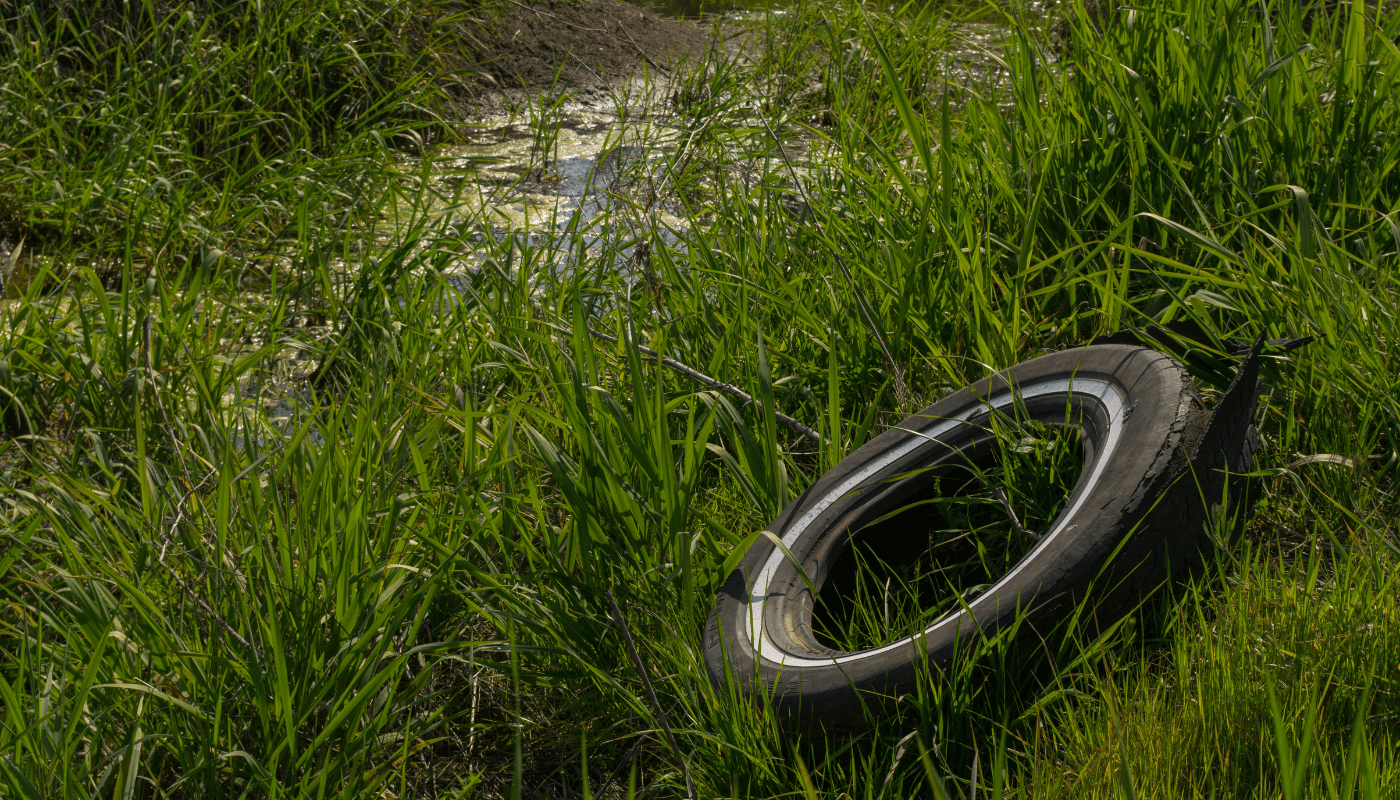
Eco-friendly washing is a sustainable way to wash vehicles, without wasting water in the process and using biodegradable products that do not harm the environment.
With the increasing adoption of ESG strategy in transport, it is essential for companies in this field or other sectors with fleets to focus on vehicle care with this view of sustainability.
That is why eco-friendly washing is one of the approaches you can take to demonstrate the company's commitment to environmental responsibility.
What are its benefits?
For a company, the benefits are:
- Savings: you spend less on water, and biodegradable products tend to be more concentrated, resulting in greater yield and lasting longer.
- Reputation: companies and the general public start to see your company as concerned about sustainability issues and a healthier future.
- Vehicle durability: washing itself already helps extend vehicles' useful life, but using sustainable products also better preserves paint and bodywork.
- Longer-lasting washing results: using biodegradable products generally helps better maintain exterior cleanliness, preventing moisture buildup on the bodywork and new dirt from starting to “stick” as soon as washing is finished.
- Competitiveness and recognition: showing that your company is keeping up with the ESG agenda helps it gain recognition and become more competitive, since in many cases this sustainable contribution is becoming essential in the market.
How do you implement eco-friendly washing in a fleet?
To wash fleet vehicles in an eco-friendly way, you should obtain suitable products and create a washing routine that follows sustainable practices. It should include:
- Purchasing the correct products.
- Identifying where the task takes place.
- The amount of product used per wash.
- Among other points.
Drivers can be responsible for the task, provided they have received suitable instructions and training.
How do you manage fleet vehicle sanitizing and washing?
As in other areas of fleet management, someone needs to be responsible for the vehicle washing and sanitizing routine. This responsibility generally falls to the fleet or maintenance manager, who should ensure the established processes are carried out properly.
This management is an indispensable element in preserving the fleet and company image, following sustainability guidelines and even aligning with the ESG framework.
To better understand how to organize and optimize your fleet management, download our Fleet Management Guide completely free (in Portuguese).
Frequently asked questions
What is the difference between vehicle washing and sanitizing?
How often should fleet vehicles be washed?
What is eco-friendly vehicle washing?
What are the benefits of eco-friendly washing for a fleet?
How do you implement eco-friendly washing in a fleet?
Who is responsible for washing and sanitizing vehicles?
// newsletter
Fleet management content, straight to your inbox
Articles on tires, maintenance and fleet operations. No spam.