Sustainable means of transport: options and how to use them
 Jade Zart 5 min read
The initiative to adopt a sustainable means of transport goes beyond complying with environmental regulations in the company.
It has become a strategy to align business practices with growing sustainability standards and ESG practices in transport.
Actions such as renewing the fleet with less polluting vehicles and decarbonization practices in operational processes, among other activities, are part of the transformation toward more sustainable transport.
See below:
- What is sustainable transport?
- What is a sustainable means of transport?
- What are the sustainable means of transport?
- What is the most sustainable means of transport?
- How can you use means of transport sustainably in the fleet?
- What is the impact of a sustainable fleet?
What is sustainable transport?
Sustainable transport refers to adopting practices and using vehicles that minimize environmental impact, promote energy efficiency and contribute to economic and social sustainability.
It can cover a range of actions, from using vehicles powered by renewable energy, such as electric or hybrid vehicles, to optimizing routes to reduce fuel consumption and greenhouse gas emissions.
In many cases, sustainable transport also involves adopting practices such as vehicle sharing, encouraging the use of public transport and non-motorized alternatives, such as bicycles.
In the context of vehicle fleets, implementing technologies that improve logistics and fleet management is a must.
What is a sustainable means of transport?
A sustainable means of transport is one that offers a way of moving people or goods with the lowest possible environmental impact while promoting sustainability in transport.
These are vehicles that prioritize the use of clean and renewable energy, such as electricity or biofuels, instead of fossil fuels.
What are the sustainable means of transport?
Electric vehicles, bicycles, public transport powered by sustainable energy and even innovative solutions such as carsharing and integrated mobility systems are part of this category.
- Electric vehicles: they run entirely on electric power and are known for their zero emissions of polluting gases.
- Bicycles: both conventional and electric, they are popular in urban environments for reducing road congestion and pollution.
- Buses and trains that use clean energy or low-emission alternatives: they provide sustainable mobility on a large scale.
- Hybrid cars: they combine a combustion engine with an electric motor and are an increasingly common choice for reducing the carbon footprint.
In addition, in fleets and transport operations, alternatives such as vehicle sharing and implementing integrated mobility systems that combine different modes of transport to optimize trips are becoming sustainable and efficient solutions.
What is the most sustainable means of transport?
Currently, electric trucks stand out as the most promising option for achieving these goals.
After all, for a freight transport fleet, the most sustainable means of transport is generally the one that combines energy efficiency with a significant reduction in greenhouse gas emissions.
They offer a clean alternative to diesel-powered trucks, with the advantage of zero emissions during operation.
In addition, electric trucks tend to have lower operating costs in the long term due to lower maintenance and the reduced cost of electricity compared with diesel.
Another sustainable option includes trucks powered by biofuels, which use renewable energy sources and emit fewer pollutants.
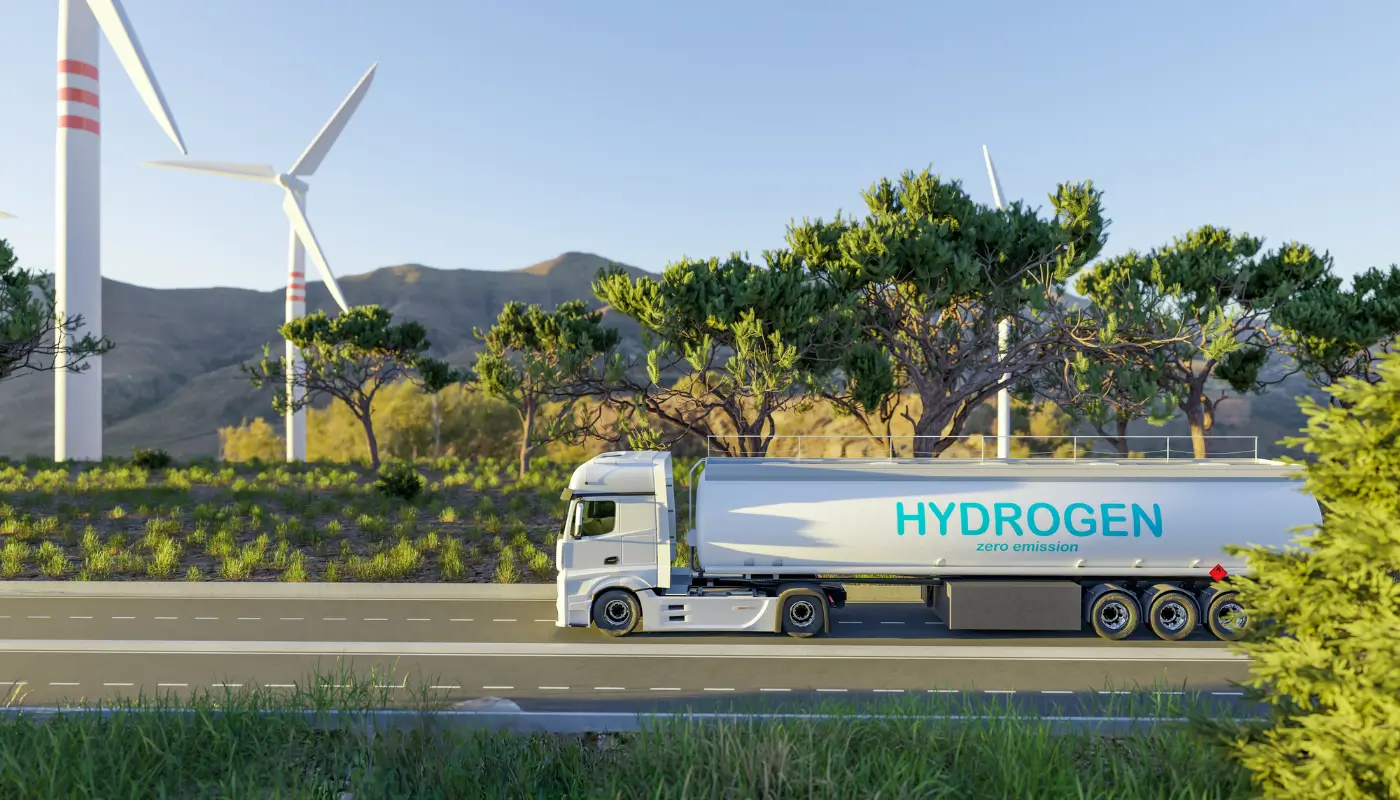
Although they are still under development, technologies such as hydrogen-powered trucks also promise to be viable alternatives in the future, offering sustainability without compromising the load capacity and range needed for long-distance transport operations.
How can you use means of transport sustainably in the fleet?
Acquiring new vehicle models
The transition to vehicles powered by renewable energy, such as electric or hybrid vehicles, is a fundamental step toward starting to use a sustainable means of transport in transport operations.
This includes not only acquiring new vehicles but also upgrading or adapting existing ones, when possible.
Optimizing the routes used
Optimizing delivery routes to minimize distances and trip time is another important step, as it helps reduce fuel consumption and emissions.
Investing in management technologies and training
Implementing fleet management systems that monitor fuel use and driving behavior can encourage more efficient practices behind the wheel.
Likewise, this happens through training drivers and raising their awareness of the importance of economical and responsible driving.
Having alternative means of transport for the last mile
Exploring transport alternatives, such as using bicycles or electric vehicles for last-mile deliveries in urban areas, can contribute to a more sustainable operation.
Keeping up regular vehicle maintenance
Keeping a regular maintenance schedule ensures that vehicles run with better performance, extending their useful life and reducing environmental impact.
What is the impact of a sustainable fleet?
The impacts of a sustainable fleet cover different aspects, as identified by ESG practices in the fleet: (E) Environmental, (S) Social and (G) Governance.
(E) Environmental
Environmentally, the transition to a sustainable fleet reduces polluting gas emissions, contributing to fleet decarbonization, improved air quality and the reduction of global warming.
(S) Social
Socially, sustainable fleets contribute to healthier communities, reducing noise pollution and improving road safety, thanks to more advanced vehicle technologies and awareness of responsible driving practices.
(G) Governance
Economically, although the initial investment in more sustainable vehicles may be higher, long-term operating costs are generally reduced due to greater fuel efficiency and lower maintenance expenses.
In addition, companies with sustainable fleets often benefit from tax incentives and improve their corporate image, which can lead to increased customer satisfaction and competitive advantages in the market.
Want to stay informed about the latest trends and practices in fleet management? Subscribe to our free newsletter and receive tips and updates every week (in Portuguese)!
Frequently asked questions
What is sustainable transport?
What are the most sustainable means of transport?
Why are electric trucks considered the most sustainable means of transport for freight fleets?
How do you make a fleet more sustainable in practice?
What is the impact of a more sustainable fleet on the company?
// newsletter
Fleet management content, straight to your inbox
Articles on tires, maintenance and fleet operations. No spam.