Nitrogen tire calibration: when it pays off for fleets
 Luiz Felipe 6 min read
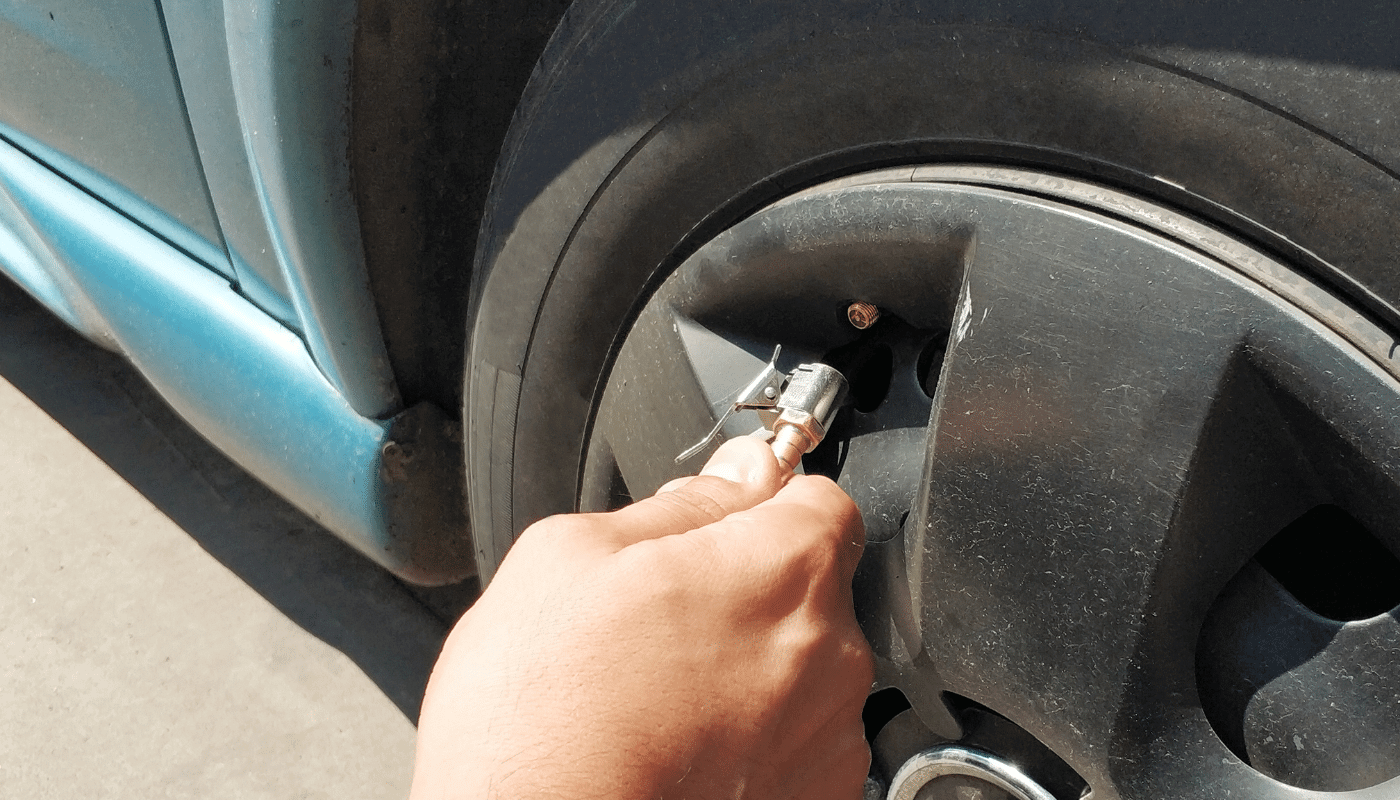
Inflating tires with nitrogen is rarely discussed, as it remains a less common alternative in Brazilian transport routines. It is therefore worth separating what actually changes in tire maintenance from what still depends on periodic checks.
Calibration is part of the tire management routine: tires need to be checked regularly for vehicle safety and stability, and inflated whenever necessary. The correct pressure remains the one recommended by the vehicle or tire manufacturer.
Nitrogen can be used as an alternative to maintain pressure for longer, but it does not eliminate the need for control. Learn more:
- What is the difference between nitrogen and compressed air for tire calibration?
- Is inflating tires with nitrogen more advantageous?
- Is the pressure used to inflate tires with nitrogen the same?
- How to determine the best calibration method for fleet tires?
- Facts about inflating tires with nitrogen.
What is the difference between inflating tires with nitrogen and compressed air?
Compressed air, used for regular calibration at service stations, is already made up mostly of nitrogen: almost 79% of air is nitrogen. Even so, because it also contains oxygen and other components, it tends to lose pressure more easily than calibration with a higher nitrogen concentration.
Nitrogen's distinguishing feature is replacing oxygen. Because less air escapes from the tires, inflation pressure tends to stay higher for longer. This can reduce calibration frequency, provided the fleet maintains regular inspections and measurements.
The comparison should not be understood as removing the need for checks. Tires inflated with air or nitrogen need to follow the manufacturer's specified pressure, and pressure retention is not guaranteed with either option.
Want to improve your fleet's tire management? Talk to a Prolog specialist
Is inflating tires with nitrogen more advantageous?
In some cases, yes, it can be advantageous. For example, for vehicles that travel a lot and transport companies wanting to reduce operational stops related to calibration and maintain a more predictable tire pressure routine.
Because nitrogen helps pressure stay higher for longer, it can make sense when the operation struggles to maintain an appropriate checking frequency. Even so, the decision needs to consider cost, service availability, access to reliable pressure gauges and the ability to record checks in the fleet's routine.
Nitrogen use should not be sold as a guarantee of fixed savings, a guaranteed increase in useful life or an automatic reduction in punctures. Appropriate pressure is an important factor for safety and performance, but results depend on tire condition, application, load, routes, driving style and maintenance performed.
However, because it is still not so popular in Brazil, finding places with a nitrogen generator for calibration can be difficult. When a route has no support points, the fleet may end up driving longer without adequate pressure, creating a risk of damage to assets.
In other words, you need to carefully assess whether this investment is worthwhile, considering not only the savings it can generate, but also making sure the region along the routes traveled has a calibration point, or that you can install an N² generator at your depot, and so on.
Consider all possible scenarios before making a decision, including actual measurement frequency, the reliability of the pressure gauge used for calibration and the team's discipline in correcting pressure deviations.
Is the pressure used for nitrogen calibration the same?
Yes, it is the same. What differs is how calibration takes place and how pressure tends to be maintained over time.
The first time you inflate tires with nitrogen, you need to remove the compressed air, draw a vacuum in the tire and only then add nitrogen. If operationally necessary, nitrogen and compressed air can be mixed, but this reduces nitrogen purity and should be treated as a practical solution, rather than a substitute for a maintenance routine.
All this work is usually performed by a single machine. Once the asset already has nitrogen calibration, the process can become simpler, but the fleet still needs to check pressure using reliable equipment and a correctly working pressure gauge.
In general, for nitrogen calibration, it is advisable to visit a specialized workshop and also identify places where you can do this in each Brazilian state. Pressure readings are more accurate when tires are cold, so the routine should allow for the appropriate measurement time.
How do you determine the best tire calibration method for the fleet?
To choose the best calibration method for your fleet, understand your options thoroughly and assess every possible angle. Ask, for example:
- What will the additional cost of nitrogen calibration be?
- What savings could it generate in the routine of stops, maintenance and tires?
- Can the fleet check pressure regularly, even when using nitrogen?
In general, nitrogen tire calibration can be considered a process optimization. However, as discussed, you need to assess your alternatives carefully to understand whether it is really worth using in your operation.
Although pressure stability can help reduce problems related to low tire calibration, you can consider fleet vehicles in two distinct situations:
- Those making local and urban trips.
- Those traveling long distances and experiencing greater variations in weather and ground conditions.
You can run some tests and drive with nitrogen-inflated tires in both situations to understand whether it pays off for your business. Generally, shorter journeys tend to produce less operational difference, especially when the fleet can already check pressure every two to four weeks and correct deviations quickly.
On longer routes, nitrogen can provide an important benefit: reducing the need to stop to inflate tires on the road, without eliminating periodic checks.
Even so, using these methods and comparing them to answer the example questions we listed is the best starting point to discover the best option for your fleet. Ideally, record results by route type, tire, load and checking interval, avoiding decisions based only on promises of savings.
Facts about inflating tires with nitrogen
In addition to all the advantages and characteristics already mentioned, there are a few things you might like to know about inflating tires with nitrogen:
- It helps inflation pressure stay higher for longer because it replaces some of the oxygen in the tire.
- Tires can be designed to deliver expected performance when inflated with air or nitrogen, provided the recommended pressure is respected.
- Compressed air already contains a lot of nitrogen, which helps explain why the difference between methods depends on the application and maintenance discipline.
- Nitrogen and compressed air can be mixed when necessary, although the mixture reduces the nitrogen concentration in the tire.
Now that you understand tire calibration methods, also discover how to determine the ideal pressure for fleet tires.
Frequently asked questions
What is the difference between calibration with nitrogen and compressed air?
How much does nitrogen calibration cost, and what do you gain?
Does calibration pressure change with nitrogen?
Is it worthwhile for every type of route?
Where can you find nitrogen to inflate tires?
Is nitrogen suitable for any tire, and is it safe?
// newsletter
Fleet management content, straight to your inbox
Articles on tires, maintenance and fleet operations. No spam.