IoT in fleet management: 8 uses, from big data to routes
 Luiz Felipe 4 min read
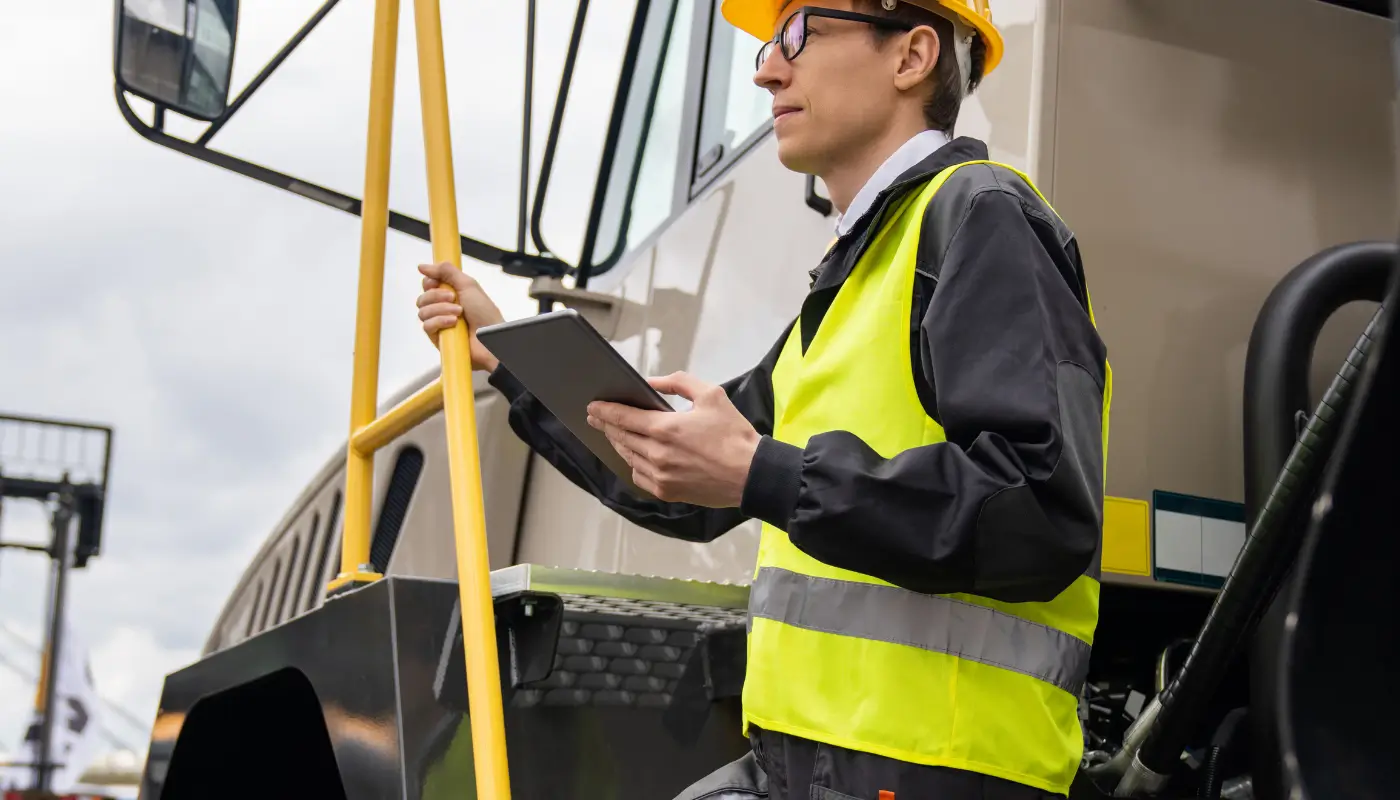
IoT applications in fleets are expanding rapidly, reaching different operational areas and transforming how transport companies handle their vehicles, loads and drivers.
This type of technology enables real-time monitoring, process automation and advanced big data analysis, opening the door to more efficient management.
With IoT, managers can optimize routines and processes, perform quick and accurate analyses and make strategic decisions based on concrete data, ensuring benefits such as greater efficiency and productivity and lower operating costs.
Here are the main IoT applications in fleet management:
- Real-time monitoring and vehicle tracking
- Process automation
- Big data analysis
- Vehicle maintenance management
- Route management
- Fuel consumption optimization
- Driver safety and behavior monitoring
- Emissions measurement and environmental impact reduction
Fleet monitoring with IoT and real-time vehicle tracking
With IoT devices integrated into vehicles, managers have instant access to each vehicle's exact location and can monitor trip conditions, such as speed, stops and routes used.
This visibility enables real-time route optimization, shorter delivery times and prevention of unauthorized vehicle use.
In addition, for a last-mile fleet delivery, this detailed tracking makes it easier to communicate delivery status to customers, increasing satisfaction and service reliability.
Process automation
Process automation, when facilitated by the Internet of Things in a fleet, promotes efficiency by transforming manual activities into automatic operations through the integration of connected devices.
This technology allows companies to automate complex procedures that traditionally consume time and human resources, using data flows and advanced algorithms.
One example is the ability to collect crucial information automatically to generate detailed reports and customized dashboards, which can display performance indicators through BI dashboards.
This can optimize the identification of results and the search for opportunities to improve the fleet's routine.
Big data analysis
Big data analysis through IoT applications in a fleet allows managers to access, interpret and act on massive volumes of data generated by vehicles.
This integration, ranging from driver behavior to vehicle health, provides a complete view of operations.
The ability to analyze and, moreover, make predictions based on data ensures a quick response to emerging issues and more efficient planning and preparation for potential issues that have not yet occurred.
Vehicle maintenance management
With specific devices installed in vehicles and an IoT connection, fleet managers have access to data on vehicle condition, including wear on critical components and usage patterns.
This wealth of information enables the implementation of maintenance programs based on vehicles' current condition, preventing unexpected failures and extending asset useful life.
Furthermore, predictive analysis generated from this data helps plan maintenance more efficiently, minimizing vehicle downtime and optimizing operating costs.
Route management
By analyzing real-time data on traffic conditions, weather and even road conditions, IoT enables dynamic route optimization.
Solutions using IoT can start recommending the most effective routes, considering these constantly changing variables. Likewise, IoT for fuel efficiency is a solution that brings good results.
This not only ensures faster, more efficient deliveries, but also contributes to lower costs and less vehicle wear.
Fuel consumption optimization
Fuel consumption optimization is one of the most valuable IoT applications in a fleet.
Using vehicle fuel level and usage sensors makes it possible to analyze aspects such as driving behavior, vehicle use and operating conditions affecting fuel consumption.
Adjustments to routes, speed and driving style, based on analyses through the data connections enabled by IoT, can lead to the expected reduction.
Driver safety and behavior monitoring
With IoT devices such as cameras and sensors embedded in vehicles, it is possible to monitor driver behavior in real time, identifying anything from excessive speed to dangerous driving patterns such as harsh braking or improper steering wheel handling.
This type of technology can also monitor drivers' movements while driving, potentially indicating drowsiness at the wheel and issuing audible alerts to draw drivers' attention.
Similarly, devices that keep track of and monitor vehicles and drivers can also be useful for identifying risky situations, such as robbery or cargo theft, and taking the necessary measures.
Recordings in this type of situation can also be fundamental for making insurance claims and proving what happened.
When analyzed, the data collected by these technologies provides insights for implementing targeted training programs, improving safety for drivers and fleet assets.
Emissions measurement and environmental impact reduction
Emissions measurement and environmental impact reduction are particularly significant IoT applications in a fleet, directly addressing sustainability and ecological responsibility.
IoT devices installed in vehicles collect data on pollutant gas emissions in real time, enabling continuous monitoring of environmental performance and identification of opportunities for operational adjustments that reduce ecological impact.
This technology allows companies to comply with environmental regulations, promote fuel efficiency, choose cleaner energy alternatives and implement maintenance practices that sustainably extend vehicle useful life.
Want to stay up to date with the latest trends and innovations in fleet management? Subscribe to our newsletter now for free (in Portuguese).
Frequently asked questions
What does IoT change in fleet management?
What is big data analysis applied to a fleet?
How does IoT help with vehicle maintenance?
Does IoT help save fuel?
How does the technology contribute to driver safety?
Can IoT be used to control emissions?
// newsletter
Fleet management content, straight to your inbox
Articles on tires, maintenance and fleet operations. No spam.