Move Brasil 2: what changed in credit to renew the fleet
 Jean Zart 3 min read
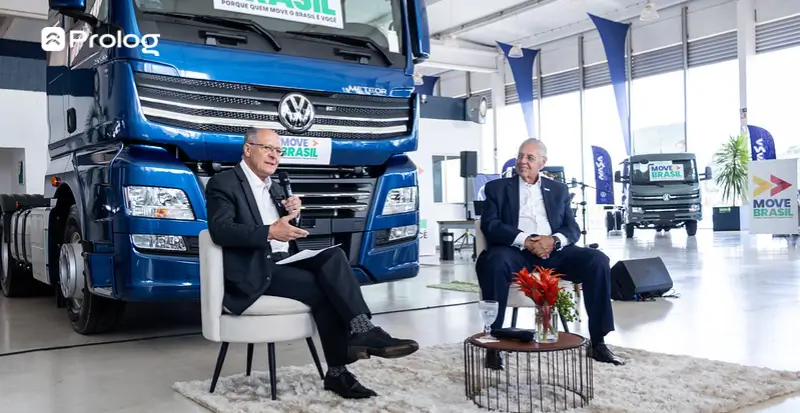
The first phase of Move Brasil lasted less than three months. The R$10 billion made available in January 2026 were entirely used up in more than 8,000 operations spread across all regions of the country, even before the Provisional Measure that created the program reached the end of its validity. The pace of uptake surprised even the government.
On April 30, President Lula signed two new Provisional Measures (temporary decrees with the force of law in Brazil) launching Move Brasil 2. The fleet renewal program was expanded in volume, in scope and in financial conditions. And, this time, with redoubled attention to the segment of self-employed truck drivers.
What changed compared with phase 1
The credit volume more than doubled: it went from R$10 billion to R$21.2 billion, with R$14.5 billion from the National Treasury and R$6.7 billion from BNDES (the Brazilian Development Bank) itself. The bank remained the program's operator, now with a network of more than 80 partner financial institutions, including Banco do Brasil and Caixa Econômica Federal, which expanded access mainly for owner-operators who already had accounts at these institutions.
Interest rates, which in phase 1 ranged between 13% and 14% a year, were reduced to approximately 11.3% a year. The announced design also provided for even more favorable conditions for those who handed in an old vehicle, over 20 years old, for recycling.
The maximum financing term for owner-operators doubled, from 5 to 10 years (120 months), with the grace period extended from 6 to 12 months. For companies, the term remained up to 60 months, with a grace period of up to 6 months. The ceiling per beneficiary remained at R$50 million.
The program also began to cover buses, minibuses and road equipment such as trailers and truck bodies, categories that had been left out of the first stage.
Who can take part and what can be financed
Move Brasil 2 was aimed at self-employed cargo carriers, individuals linked to cooperatives, and road freight transport companies or passenger transport companies.
The vehicle eligibility rules were kept: only products manufactured in Brazil that meet BNDES's local content criteria and the emissions requirements of Proconve, Brazil's vehicle emissions control program (phase P-7). Owner-operators and cooperative members remained the only ones who could finance used vehicles, as long as they were manufactured from 2012 onward. Fleet operators remained restricted to new vehicles.
The funds earmarked exclusively for owner-operators went from R$1 billion to R$2 billion. The financial conditions of this tranche were regulated by Brazil's National Monetary Council (CMN) in the first week of May, and the access rules were published in an MDIC ordinance (in Portuguese), issued by Brazil's Ministry of Development, Industry, Trade and Services.
What this means for fleet managers
The second phase arrived at a time when the sector still had about 300,000 trucks over 20 years old on the road in Brazil. Conditions for renewing a fleet are generally costly, and the combination of interest below 12% a year, a one-year grace period and a decade-long term showed why the topic gained weight in asset replacement planning.
For transport companies, even with a shorter term than owner-operators, the rate was well below the market average for heavy vehicles, which has historically hovered around 20% to 23% a year.
It is worth remembering, however, that replacing the vehicle solves only part of the problem. Newer trucks use less diesel, break down less and require less corrective maintenance, but the real gain in operational efficiency also depends on how the fleet is managed after the truck enters the operation.
Tire control, scheduled preventive maintenance and structured inspections make the difference in the asset's useful life and in the real costs per kilometer driven.
If you want to keep up with the developments that affect your fleet's management, subscribe to our newsletter and receive analyses straight to your email (in Portuguese).
Frequently asked questions
What changed in Move Brasil 2 compared with phase 1?
Who can take part in Move Brasil 2?
What is the interest rate of Move Brasil 2?
What is the financing term of Move Brasil 2?
Why did the first phase of Move Brasil end so quickly?
What does Move Brasil 2 mean for fleet managers?
// newsletter
Fleet management content, straight to your inbox
Articles on tires, maintenance and fleet operations. No spam.