Truck clutch: signs of issues and their causes
 Jean Zart 4 min read
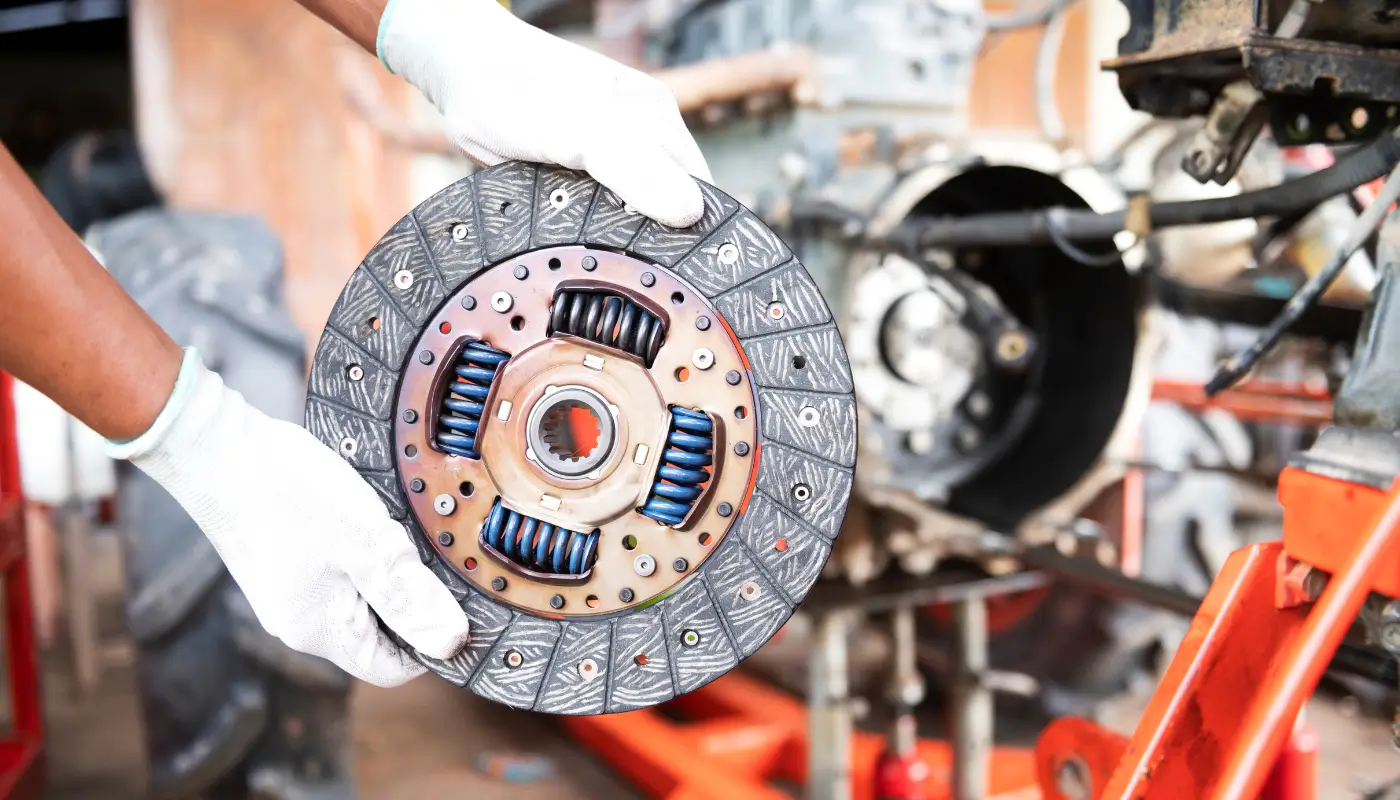
The clutch is one of the most critical components for a vehicle to work, especially in operations that demand high performance. That is why, when there are issues in a truck's clutch system, you need to act quickly.
With time and constant use, this system can show signs of wear or failures. Have you ever noticed difficulty engaging gears, judder or even a delay in gaining speed? These are signs that something may be wrong.
If you want to avoid unexpected stops and high maintenance costs, read on to understand:
- How to identify issues in a truck's clutch system?
- What are the main issues that appear in a truck's clutch system?
How to identify issues in a truck's clutch system?
Identifying issues in a truck's clutch requires attention to detail and a few simple inspection and analysis steps:
1. Observe how the clutch pedal behaves
The pedal is one of the first warning signs. Notice whether it feels “looser” or “heavier” than normal. A heavy pedal can indicate issues in the cable or the hydraulic system, while a pedal that is too soft can be a sign of a leak or wear.
2. Listen for noises during use
Pay attention to unusual sounds, such as squeaks, clicks or knocks when pressing the pedal or shifting gears. These noises often indicate misaligned or worn internal components, such as the clutch bearing.
3. Test the gear changes
Difficulty engaging gears is one of the clearest signs that something is wrong. Run tests while the vehicle is moving and while it is parked. If there is resistance or locking, it is time to check the system.
4. Keep an eye on the vehicle's performance
If the truck is slow to gain speed even with the engine revving normally, the clutch may be “slipping.” This issue happens when the clutch disc is worn or the pressure system is not working properly.
5. “Smell” for signs of overheating
A burning smell near the clutch area is another sign of failure. This happens because of overheating caused by excessive friction on the disc.
6. Carry out visual inspections
Check the hydraulic fluid level and look for leaks in the master or slave cylinder. Also examine the clutch cable, if applicable, for signs of wear.
What are the main issues that appear in a truck's clutch system?
Below, we list the most common issues that affect truck clutches. Recognizing these signs is essential to act quickly and keep small repairs from turning into big headaches:
Judder when shifting gears
Judder is common when the clutch disc or the engine flywheel is worn or has uneven surfaces. This affects the smoothness of gear changes and can compromise overall performance.
Failure and noises when shifting gears
When the clutch is not working properly, it is normal to hear metallic noises or failures when engaging gears. This issue may be related to worn bearings or misalignment of internal components.
“Loose” or “heavy” pedal
A pedal that does not return properly or that requires a lot of force to press indicates failures in the clutch cable, the hydraulic system or even wear in the clutch assembly.
Difficulty engaging gears
If the gears are stiff or locking, the issue may be in the clutch or even in the gearbox synchronizer. Ignoring this symptom can lead to even more serious damage.
Slow gain in speed or slipping
When the engine revs but the truck does not respond with proportional speed, this is a clear sign of clutch slipping. It generally happens because of wear on the clutch disc, compromising the transmission of power to the wheels.
Recognizing the signs and carrying out preventive maintenance on your truck's clutch is fundamental to ensuring safety. In addition, a clutch system in good condition extends the vehicle's useful life and reduces the costs of emergency repairs.
If you are looking for a practical solution to better manage your fleet's maintenance, we have a special tip for you: download our Fleet Maintenance Management Guide now and find out how to avoid issues like this one, optimize processes and reduce costs efficiently.
With this information, you will be better prepared to handle any challenge in managing your fleet. Take advantage of the fact that it is free!
Frequently asked questions
How do you know if a truck's clutch has an issue?
What does a heavy or loose clutch pedal mean?
Why is the truck slow to gain speed?
What causes judder when shifting gears?
Is a burning smell near the clutch an issue?
How can you avoid truck clutch issues?
// newsletter
Fleet management content, straight to your inbox
Articles on tires, maintenance and fleet operations. No spam.