Types of transport: fleet management and maintenance
 Jade Zart 5 min read
Different types of transport travel on highways every day, such as cargo, passenger and patient transport.
In each scenario, other factors also differ, beyond the vehicles used, such as applicable laws, safety requirements and the need for fleet driver specialization. To ensure everything is done correctly and without problems, you need knowledge of your industry and how to manage it well.
You also need to know each vehicle's particularities. Learn about the following:
- The different types of transport;
- Fleet management for different types of transport;
- How maintenance works for the different vehicles in each transport type.
What are the different types of transport?
Road transport generally refers to freight transport. But within this category, we can discuss transporting supplies, raw materials and goods.
Frozen products, livestock (animals) and dangerous goods are other types of transport we can find. Each requires specific vehicles.
In addition, passenger and patient transport also require a company fleet that needs care through planned, efficient management.
What is fleet management like for different types of transport?
Vehicles for transporting cargo and people differ, and the responsibility for each type must be respected. As a fleet manager, you need to do more than know which vehicles are in the fleet and assign where each one goes.
You must understand legislation, maintenance, data, finance, among other essential areas of a manager's knowledge. You also need interpersonal skills to handle fleet employees and possible daily friction. In logistics, fleet management appears alongside activities such as inbound and outbound transport, warehousing, material handling and order fulfillment.
These characteristics should be common to every operation. Now, some skills need more development depending on which type of transport you work in.
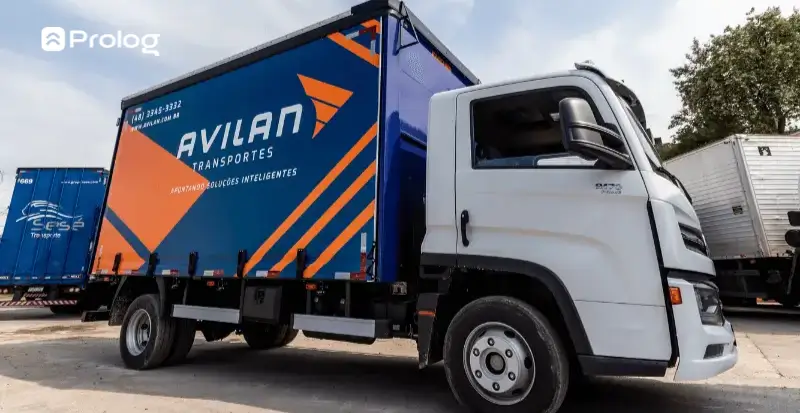
For example, a freight transport manager needs to know the most economical truck models, the most common failures and how to distribute loads to avoid damage to both cargo and vehicle.
Those responsible for a bus fleet, in turn, must pay attention to interior vehicle items, as one of the major objectives of companies in this field is to provide greater passenger comfort.
In other words, the biggest difference lies in the specializations each manager should have. This also applies to laws for each transport type in Brazil, since cargo trucks have some rules differing from those applying to buses and ambulances.
However, one of the main aspects is understanding how fleet vehicles operate and are maintained.
How does vehicle maintenance work for different types of transport?
Here are some examples of the main vehicles currently found in transport:
Vehicle maintenance in patient transport
Ambulances usually fall into the panel van and/or van category, but the main maintenance issue is not the vehicle itself, but what is inside it: medical equipment and emergency care devices.
It is essential that routine inspections check the operation of all existing equipment and whether anything was removed during a response and needs replenishing for the next ones. In Brazil, the Brazilian Traffic Code also determines that, before putting the vehicle on public roads, the driver must check that equipment is present and in good working order.
In patient transport in Brazil, the regulatory reference should not be treated as a generic “mechanical and electrical servicing” obligation without context. Ordinance GM/MS No. 2.048/2002 covers mobile pre-hospital care, hospital care and inter-hospital transport, and requires documentation proving compliance with the technical regulation's requirements. Therefore, whenever the vehicle is due for scheduled maintenance or goes to the workshop, it is worth checking that the routines, equipment and records required for the operation are also up to date.
Vehicle maintenance in freight transport
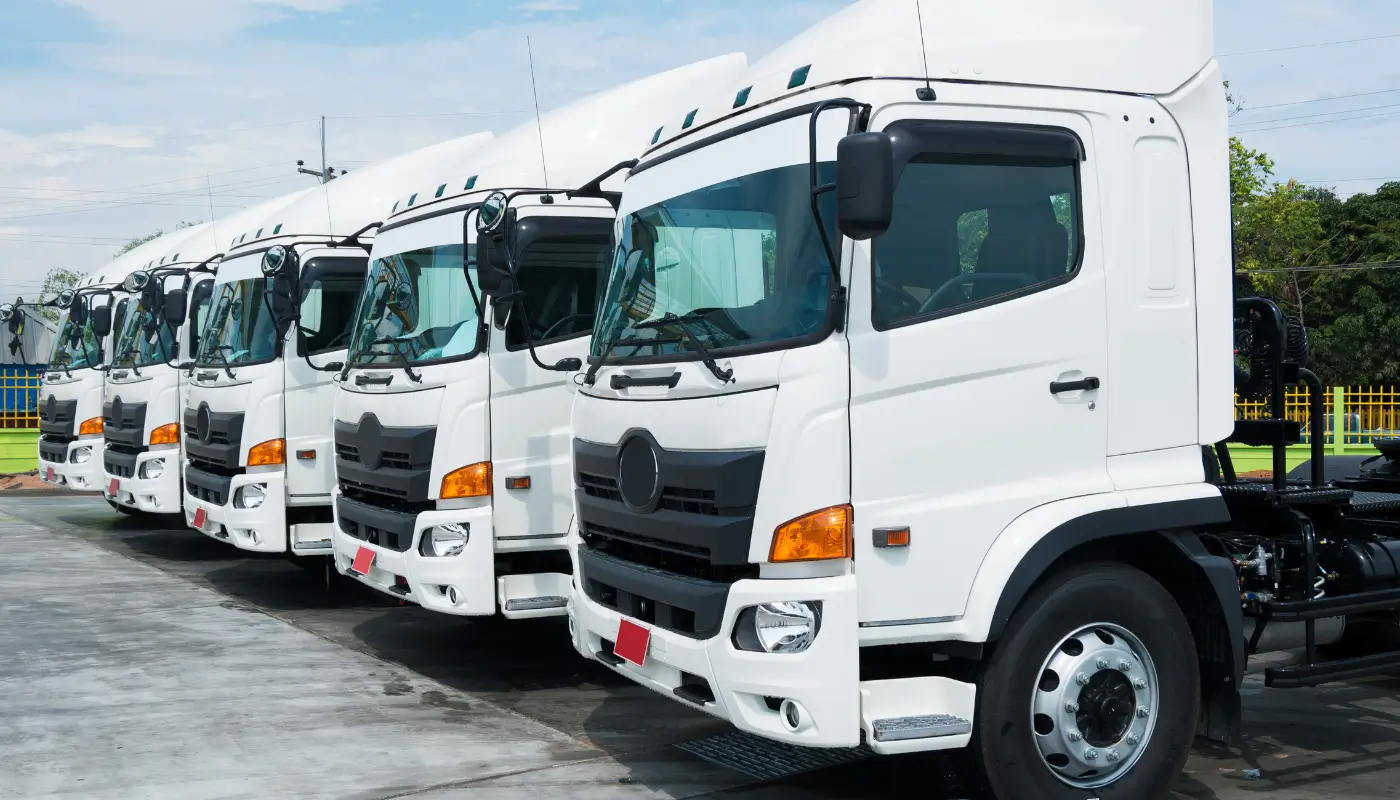
Vehicles for freight transport can vary widely, from motorcycles to heavy trucks. Therefore, each company and fleet should also have its cases analyzed individually.
In all cases, the standard for maintaining these fleets is to have an inspection checklist and drivers themselves helping with these routine checks. This means referring the vehicle to a specialist only when a service is actually needed.
How often the checklist is performed is one factor determining what should be inspected on the vehicle at each stage. In general, some of the more important items for each vehicle include:
- Trucks: air filters, oil, brakes, suspension, tires, fifth wheel, electrical system, fuse box and injection module.
- Cars: oil, brakes, timing belt, filters, suspension, tires, battery, spark plugs and radiator water.
- Motorcycles: battery, cables, belt, filters and brakes.
- Heavy machinery: leaks, noises and alerts.
Vehicle maintenance in passenger transport
Passenger transport can also use panel vans and vans, as well as buses. When buses are the main vehicle, exterior care should be the same as for trucks, checking the engine, tires, brakes, headlights, etc.
However, the interior also requires attentive care, as that is where passengers sit. To illustrate some tasks:
- Seats need to be inspected for holes or tears and reclining defects;
- The air conditioning needs to be checked at each bus seat;
- All lights should be working;
- When transport offers water or snacks, check whether these need replenishing;
- The toilet should always be clean.
Some items may seem like very small details, but they make a difference for a company seeking loyal travelers.
Even across different types of transport, one thing managers have in common is that they can bring savings, safety and standardization to the fleet through Prolog App. The platform serves fleet management in road freight transport, logistics distribution and passenger transport, with features such as electronic checklist, tires and preventive maintenance.
Discover our transport technology solutions and how they work in your operations.
Frequently asked questions
My fleet carries cargo and passengers at the same time. What changes in management?
What should you inspect in an ambulance beyond the mechanical parts?
How can you organize inspections when the fleet has trucks, cars and motorcycles?
What is the difference between bus and truck maintenance?
Are the rules the same for trucks, buses and ambulances?
// newsletter
Fleet management content, straight to your inbox
Articles on tires, maintenance and fleet operations. No spam.