How to adopt electronic checklists in daily fleet routines
 Luiz Felipe 6 min read
In practice, the electronic checklist is a modern tool for replacing traditional paper methods.
Completing checklists to inspect and check vehicle condition is one of the fundamental processes that need regular oversight and control to ensure operational efficiency and safety.
Implementing the electronic checklist may be the ideal way to provide greater accuracy, speed and control in your fleet.
See below:
- Why implement the electronic checklist in the fleet
- How the electronic checklist works in practice
- The electronic checklist in practice: applications in fleet routines
- The results of the electronic checklist in practice
- How to create a digital checklist
Why implement an electronic checklist?
The electronic checklist eliminates human errors common in paper methods, such as incorrect or illegible entries. With digital data, information accuracy is assured, making it easier to identify problems and implement solutions.
In addition, the time spent completing and processing checklists is reduced. Inspections can be carried out faster, and data is automatically stored and organized, eliminating the need for manual transcription.
The data collected through this tool becomes available after the inspection is recorded, allowing managers to make quick, informed decisions. It also allows mechanics to start work quickly when a nonconformity is reported.
Electronic checklists also help ensure that all inspections are performed in accordance with standards and regulations.
The platform can provide a detailed, traceable record of every inspection carried out, making audits easier and demonstrating compliance with legal requirements.
How does the electronic checklist work in practice?
In practice, the system needs to be configured according to the fleet's specific needs, which involves customizing the items to inspect, defining inspection frequency and setting alerts and notifications.
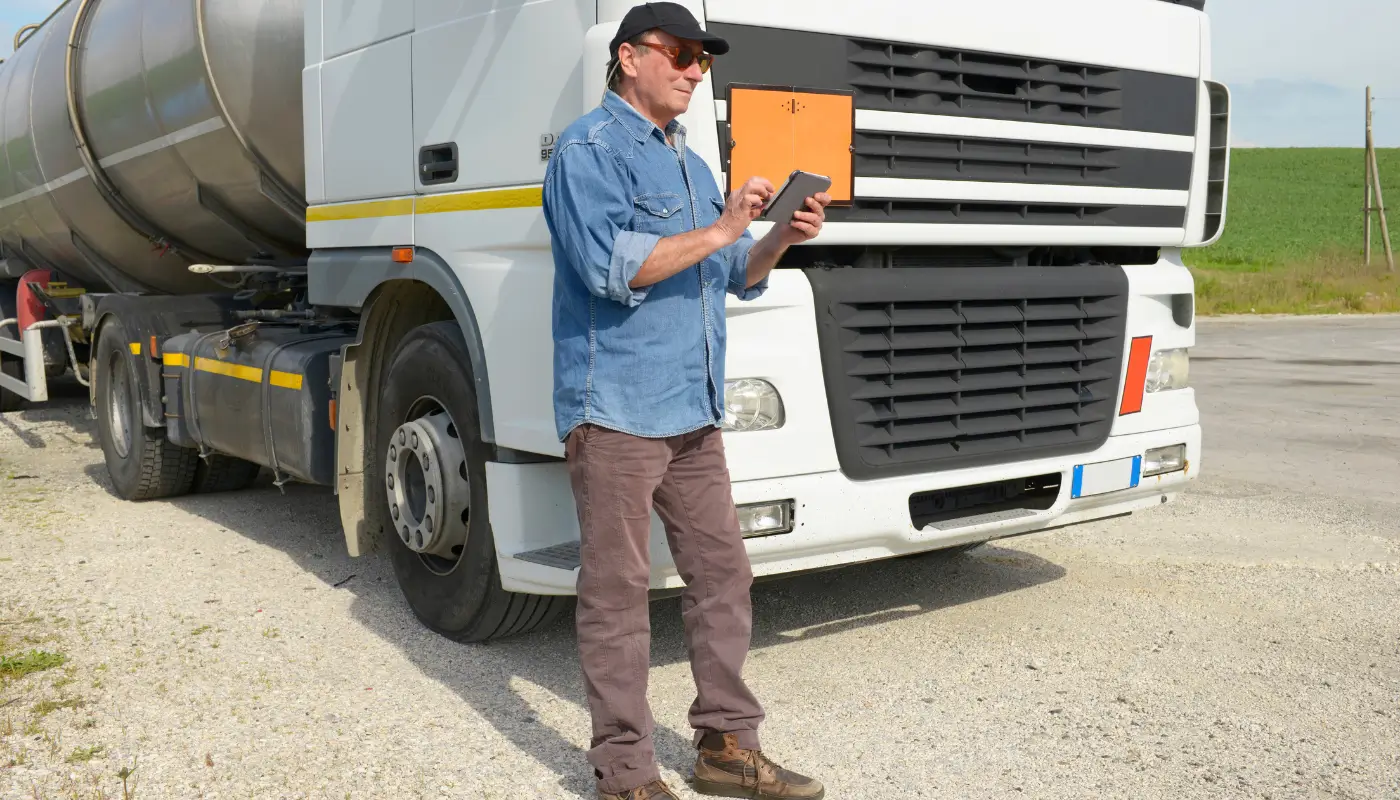
Drivers and mechanics then access the electronic checklist through an app installed on mobile devices such as smartphones or tablets.
During the inspection, the app guides the user through a series of predefined items that need to be checked, and results are recorded directly in the app, with the option of adding comments, photos and videos.
Once a checklist is completed, the data is included in the system and becomes available on the central platform for managers and maintenance teams to consult the records.
Moreover, the system generates detailed reports based on the data collected, helping identify trends and areas that need attention.
The electronic checklist in practice: applications in fleet routines
Daily, complete vehicle inspection
The electronic checklist allows drivers and mechanics to perform daily, complete vehicle inspections quickly and accurately.
Critical items such as tire pressure, oil and fluid levels, the operation of lights and brakes and the vehicle's general condition are checked and recorded digitally. This ensures vehicles are always in safe operating condition and any problem is identified and resolved immediately.
Automatic work order creation
When an inspection detects an issue or a maintenance need, the electronic checklist can automatically generate a work order.
This automated process speeds up the response to issues, ensuring that identified issues are addressed quickly and vehicle downtime is minimized.
Automatic work order creation can also make it easier to keep track of and manage maintenance tasks.
Analysis of maintenance and incident history
The electronic checklist stores each vehicle's entire inspection, maintenance and incident history. This history can be easily accessed and analyzed to identify wear patterns, recurring problems and areas that need special attention.
History analysis allows more informed fleet management, helping predict future maintenance needs and improve operational efficiency.
Detailed, customized reports
Data collected during inspections is automatically compiled into detailed reports that can be customized to meet management's specific needs, making performance analysis and informed decision-making easier.
This way, you can keep track of fleet condition, assess the effectiveness of maintenance performed and identify opportunities for improvement.
Updates after each checklist
With the electronic checklist, inspection data is updated after every completed checklist. This allows managers and maintenance teams to keep track of records made by drivers and mechanics, make quick decisions and ensure all vehicles operate safely and efficiently.
Integration with maintenance systems
The electronic checklist can be integrated with maintenance management systems, providing a complete view of vehicle condition and making maintenance activities easier to coordinate.
Process standardization
Using electronic checklists helps standardize fleet inspection and maintenance processes. All drivers and mechanics follow the same procedures and checking criteria, ensuring inspection consistency and quality.
Process standardization also makes training new team members easier and ensures all inspections follow best practices and established standards.
The results of the electronic checklist in practice
The results the operation receives in practice mainly involve operational efficiency, reduced operating costs and greater vehicle safety — and safety in transport operations as a whole.
Implementing electronic checklists automates daily inspections, reducing the time needed to check and record vehicle condition.
Eliminating manual tasks and integrating data into a central platform speeds up processes and allows teams to focus on corrective and preventive actions, improving overall operational efficiency.
When considering cost reduction, we can see that preventive maintenance and early problem detection prevent expensive and unexpected repairs. In addition, automating the inspection process eliminates human errors, reducing rework and associated costs.
Lower costs are also directly associated with greater operational efficiency; this combination of benefits contributes to reducing overall fleet maintenance and operating costs.
In terms of safety, using electronic checklists ensures regular, complete inspections, allowing early detection of mechanical and safety problems.
This way, you can establish a routine that reduces the risk of failures during operation, increasing driver and cargo safety. Moreover, a quick response to critical issues, facilitated by automatic WOs, also contributes to fleet safety.
How can you create a digital checklist?
You can create a digital checklist yourself for free using the various resources currently available, such as a Word or Google Docs document, an online spreadsheet, a generic checklist app and so on.
But you can also take a more professional approach and adopt the tool best suited to your operations: an electronic checklist system designed specifically for fleets and vehicle operations.
This way, you may even receive ready-made checklist models to start using or customizing, creating your digital checklist much more practically and without leaving out any important item.
To do this, you only need to choose a tool such as Prolog App, create the checklists that need to be completed and ensure all drivers and other employees involved know how to use the platform.
By implementing a specialized tool, you benefit from features such as alert and notification settings, integration with maintenance management systems and detailed analysis of the data collected.
In general, implementing a professional digital checklist improves inspection accuracy and optimizes fleet management, resulting in safer, more efficient operations.
Want to include it in your fleet too? Join the more than 1,500 operations that use Prolog App in their routines. Schedule a free online demonstration of our platform.
Frequently asked questions
What is the difference between completing a checklist on paper and in the app?
What needs to be configured before the fleet starts using it?
Which items are included in a daily vehicle inspection?
Can I create a digital checklist for free, or do I need a system?
What results does a fleet see after adopting the electronic checklist?
// newsletter
Fleet management content, straight to your inbox
Articles on tires, maintenance and fleet operations. No spam.