Engine cooling: what it is and the system’s 7 parts
 Luiz Felipe 5 min read
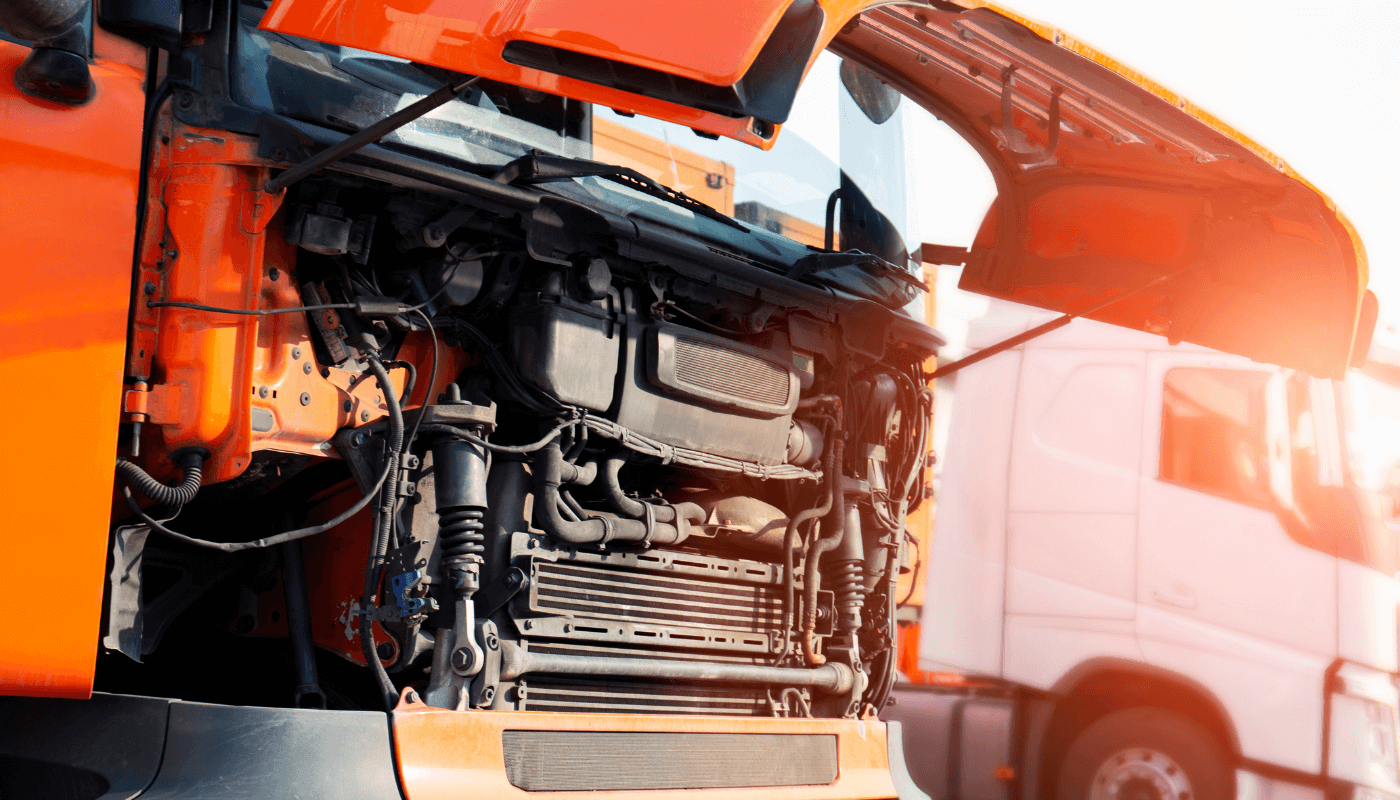
When inspecting fleet vehicles, one of the most important items to inspect is the engine. You need to check that the oil level is good, whether there are any leaks and whether it shows signs of overheating.
To do that, you need to assess the engine cooling system. This is the assembly whose function is to prevent excessively high temperatures during fuel combustion.
If the vehicle checklist is not completed, situations such as failing to change the coolant at the right time and the system not working correctly may occur. Keep reading to understand:
- What engine cooling is;
- What causes engine cooling issues;
- What common cooling system failures are;
- How to prevent engine cooling system issues.
What is engine cooling?
Cooling is the process of losing heat. So “engine cooling” refers to a system vehicles have to help keep the engine from overheating during fuel combustion.
After all, combustion is when the engine is most susceptible to high temperatures.
How does the engine cooling system work?
It works through seven parts in its assembly: water pump, thermostat, radiator, hoses, temperature sensor, fan and radiator fluid.
Each of these items has different, complementary functions to:
- Make coolant circulate through the engine and system, helping the parts work without excessive temperatures;
- Identify engine temperature and generate dashboard warnings when there is a failure;
- Offset the temperature generated by the engine with cool outside air and fluid;
- Ventilate the radiator so it can perform its cooling function without issues.
The important correction here is not to treat the water pump as solely responsible for heat exchange. It remains essential for coolant circulation, but cooling assessment needs to consider the whole assembly: radiator, hoses, sensor, fan, fluid, thermostat and pump.
Engine issues are among the most frequent maintenance tasks in a fleet, but can be prevented through a vehicle inspection checklist routine.
What causes engine cooling issues?
Engine cooling issues are identified when this component starts showing signs of overheating. A lack of fleet inspection is an important factor that can lead to this situation.
Without a preventive maintenance routine, services such as engine oil and coolant changes end up being neglected and create risks for the vehicle's operation as a whole, including the engine cooling system.
Even a small vehicle issue can have major consequences. Engine overheating can damage, for example, the cylinder head, cylinder, oil pan or timing belt. If the engine keeps overheating or has this issue frequently, the cooling system needs to be inspected and repaired before damage progresses.
Increased maintenance costs and premature loss of a vehicle are also consequences you can avoid, since untreated failures can develop into costly repairs.
Some signs of cooling system issues include:
- Engine coolant level: the level will change if there are leaks or damage to system parts. With the engine cold, checking the level helps indicate whether coolant is being lost; if it is low, look for radiator and hose leaks.
- Smoke, steam or liquid in the engine compartment: if the temperature is very high, steam or liquid may escape, also indicating that cooling is not working as it should.
- High temperature warning on the vehicle dashboard: if cooling has failures, the vehicle turns on the dashboard light for high engine temperature.
At any sign of overheating, avoid opening the system cap while the engine and radiator are hot. Fluid and steam can escape under pressure and cause severe burns.
Main engine cooling system failures
Water pump
This part is fundamental for circulating coolant through the system. It therefore deserves attention during inspection, but should not be described as chiefly responsible for heat exchange throughout the system.
Liquids passing through the water pump can cause rust issues and affect its operation. Therefore, the radiator, pump and other components should be inspected, and anticorrosion additives added to the coolant as needed.
Blocked engine block passages
There are spaces along the water's path to the radiator where cooling occurs; these are what we call “passages”. If they are not cleaned frequently, they may become clogged and prevent the engine cooling system from functioning fully.
This is one of the issues that causes the dashboard's high engine temperature warning light to come on.
Fluid leak
A leak can occur for various reasons. Notable examples include punctured or dried-out hoses, holes in the radiator and incorrectly positioned parts, such as clamps.
It is important to periodically check this system's operation in the vehicle's engine to ensure fleet operating efficiency. If the fluid level is low, inspection should consider leaks in the radiator and hoses, as well as other points in the assembly.
How can you prevent engine cooling system issues?
The best way to prevent engine cooling failures is through regular inspection of fleet vehicles.
Through maintenance management and the electronic checklist, you can ensure the reliability of information in fleet inspections. They also make this routine faster.
While a paper checklist is impractical and takes time to complete, the electronic one makes the task easier and increases your team's productivity.
The digital tool also generates a maintenance history that helps identify vehicle operating patterns and assess the right time to perform inspections and schedule the ideal preventive services. Quality maintenance records help keep track of and schedule recommended maintenance, reducing the chance of important items being forgotten.
Coolant, for example, may appear in preventive plans with periodic replacement, such as every 2 years or an average of 30 thousand km traveled. Treat this interval as a fleet maintenance reference and confirm the applicable interval in the maintenance plan and manufacturer's recommendations. You also need to watch for signs of issues to avoid losses that will lead to corrective maintenance at a high financial cost for your management.
Want to know how to plan your fleet's maintenance management?
Frequently asked questions
Which parts make up the engine cooling system?
What signs indicate a cooling issue?
How often should coolant be changed?
Which system part tends to fail most often?
What can overheating damage?
How does the electronic checklist help prevent cooling failures?
// newsletter
Fleet management content, straight to your inbox
Articles on tires, maintenance and fleet operations. No spam.