How artificial intelligence benefits your fleet operation
 Luiz Felipe 4 min read
Logistics optimization in transport operations is influenced by various factors, and one that has been standing out is Artificial Intelligence (AI). Although questions and doubts about its application and integration into fleets remain, it is indisputable that the benefits of artificial intelligence deliver exceptional results.
For example, through advanced algorithms and real-time data analysis, artificial intelligence makes it possible to optimize routes, plan maintenance and reduce fuel consumption, having a significant impact on fleet operational efficiency.
The way AI systems in fleet management work contributes to more strategic, intelligent decision-making in daily operations. Read on for the benefits of AI in fleets:
Optimization and operational efficiency
A fleet's operational processes range from vehicle inspections to hands-on activities such as maintenance and tire monitoring.
In this context, artificial intelligence is applied to speed up data collection, interpreting this information to generate insights and perform predictive analyses of vehicle condition.
Applying these technologies correctly results in improvements to increase operational efficiency, ranging from route planning to inventory management and demand management.
However, it is important to stress that this only becomes possible by implementing smart systems in each of these areas together with integration across all these areas.
After all, the logic of artificial intelligence is: the more information it receives, the more accurate its analyses and suggestions will be.
Predictive maintenance
The application of artificial intelligence in maintenance mainly involves using advanced predictive maintenance technologies.
Generally, sensors and tags are used to monitor temperature, vibrations and other vehicle parameters. These devices can pick up the slightest signs of early-stage problems that mostly escape human perception.
This implementation of AI allows interventions before problems intensify and stop the vehicle. As well as increasing fleet asset availability, you reduce corrective maintenance costs.
Predictive maintenance is also a strategic management approach for maximizing fleet operational efficiency — which, as mentioned, is another benefit of artificial intelligence.
Accident prevention and risk analysis
The benefits of artificial intelligence include the ability to use data to analyze risks in transport operations (in Portuguese). This happens through technologies that continuously process data from different fleet areas.
Through this process, AI detects patterns and can predict potentially dangerous situations, as well as determine the risk level associated with each scenario.
One of the main areas for implementing AI is the objective of reducing fleet accidents.
By monitoring routes, driver behavior, weather conditions and traffic, artificial intelligence can determine the risks and issues alerts in real time.
It therefore provides both driver and manager with crucial information for reactive decision-making.
Informed decision-making
When technology is used in fleet management, report automation provides a practical, accurate view of fleet events, with the manager responsible for making sense of this data and making informed decisions.
Adding AI expands the interpretation stage, involving the generation of alternatives and hypotheses from data by the system itself. This gives the manager responsibility for understanding the analyses provided by artificial intelligence and assessing whether improvement suggestions are plausible. In other words, it is one of the great benefits of artificial intelligence.
However, it is important to emphasize that technology does not replace the manager in fleet decision-making. Using AI as a decision-maker could entail some associated risks. The operations manager remains responsible for all final decisions, ensuring actions align with the company's goals and strategies.
Complete view of the operation
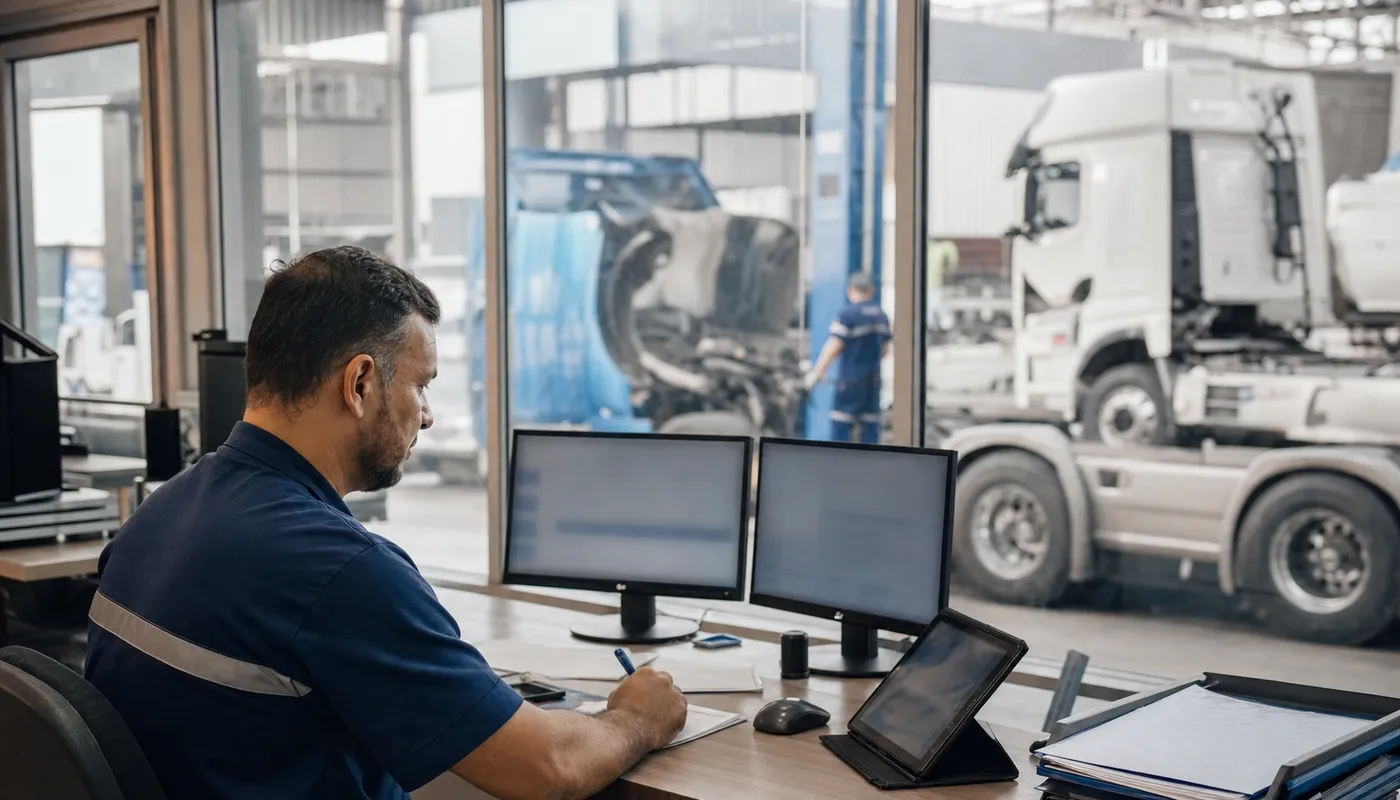
Are you familiar with logistics control towers and operational control centers? They basically consist of a space in your company dedicated to fleet operations, where screens and computers bring all information together in real time.
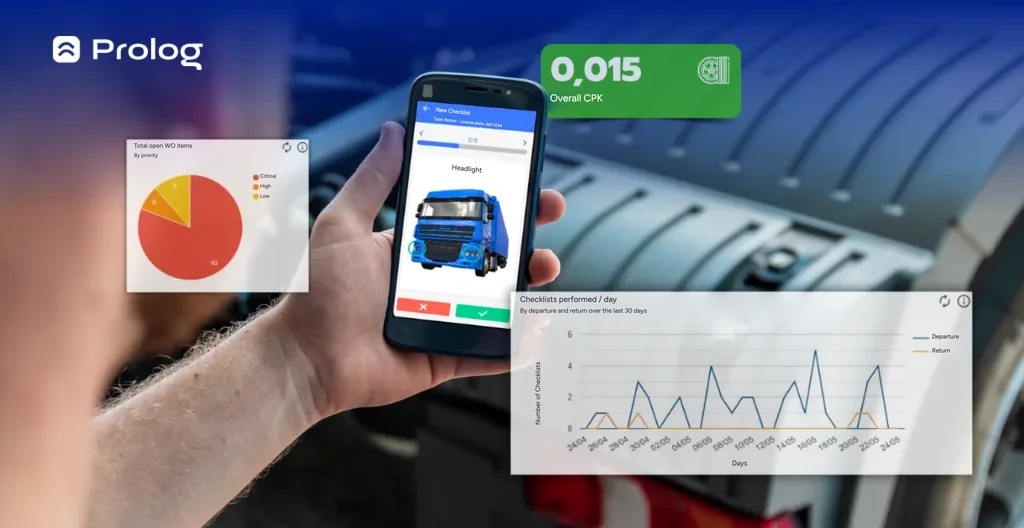
Artificial intelligence expands this view. Now, it is possible not only to keep track of all ongoing data and processes, but also to view analysis panels and dashboards that are continuously updated.
As well as AI identifying your operation's patterns and trends, you can keep track in real time of why you are getting these results.
A complete view of your data and real-time updates are fundamental factors in making faster, highly efficient decisions.
Spending under control at all times
This benefit can occur in various ways and from different perspectives.
Most directly, it comes through cost monitoring using AI. It will review expenses for fuel, tires, maintenance, drivers and so on, identifying where there are variations and what cost reduction opportunities exist.
Beyond reviewing these costs, AI also contributes to different areas and their specific applications. In predictive maintenance, for example, through fewer corrective services, or in route optimization through more fuel-efficient routes.
Among many other situations, the benefits of artificial intelligence become clear and advantageous.
Watch the video we prepared on the topic: (video in Portuguese)
Frequently asked questions
How does artificial intelligence help prevent vehicle breakdowns?
Can artificial intelligence make fleet management decisions?
My fleet costs vary and I do not know where. Can AI help?
What does AI need to work well in a fleet?
What is the difference between a logistics control tower with and without AI?
// newsletter
Fleet management content, straight to your inbox
Articles on tires, maintenance and fleet operations. No spam.