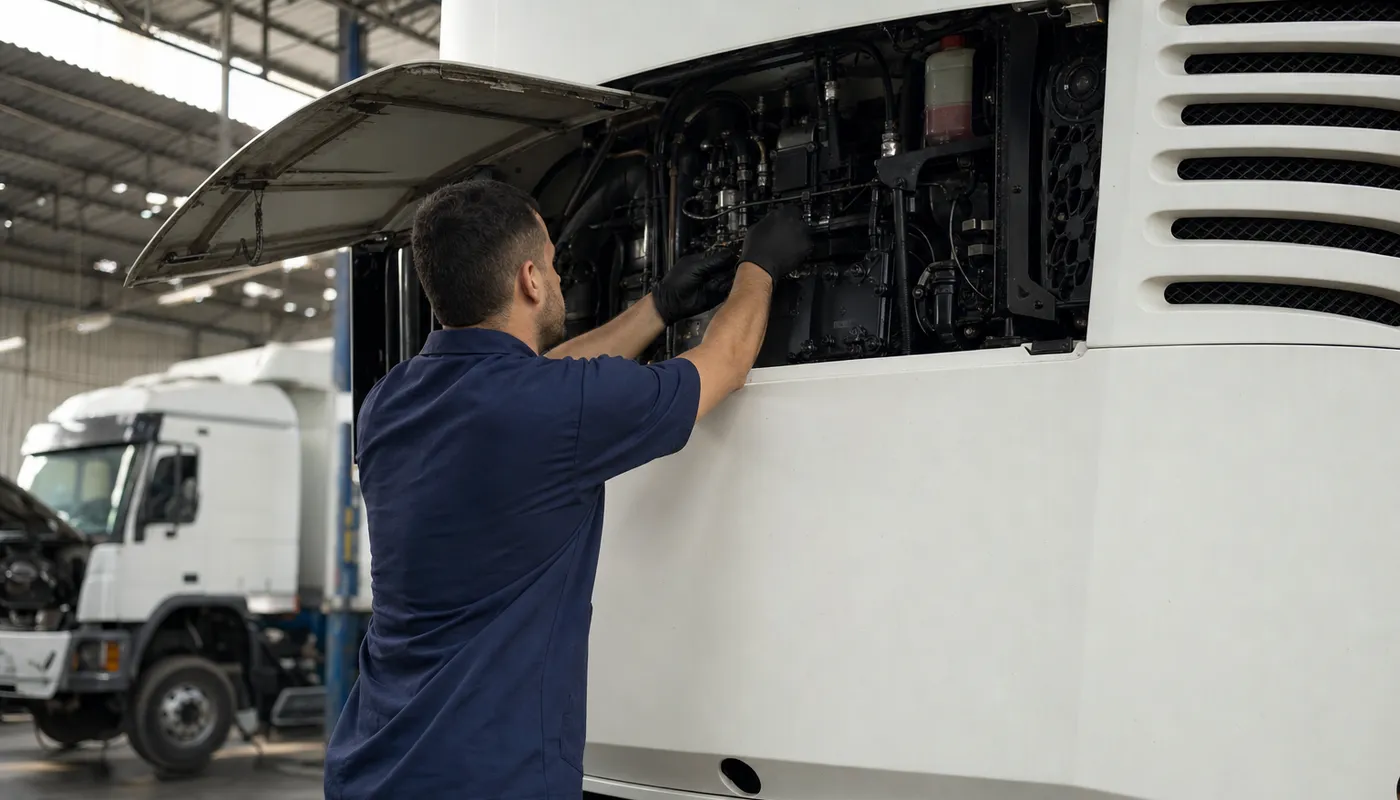
How to care for a bus: maintenance, checklists and drivers
 Luiz Felipe 5 min read

As with other types of vehicles, bus fleets need and should receive attention and care when it comes to their maintenance. To understand how to care for a bus in a way that is clear and applicable to the operation's routine, you have come to the right place.
After all, a lack of care can lead to mechanical failures that compromise transportation and leave vehicles sitting idle when the company needs them most. Even cleaning care that affects how your customers perceive your company is quite important.
Compared with cargo trucks, for example, this process becomes even more important because it involves the driving, comfort and safety of passengers.
Let's get to the point:
How do you care for a bus?
First, you need a preventive maintenance schedule. Although it seems more laborious and expensive, it prevents issues that would bring much heavier financial losses to your fleet.
In addition, good bus care includes using tools that make the work easier, such as the inspection checklist. With it, the process becomes faster and more practical, because the items assessed are standardized and the issues found reach the responsible team more clearly.
It is worth noting that the processes and tools to be applied are similar to those used in fleets of other types of vehicles.
Of course, this means taking into account the specific features of buses. For example, checking the seats, as well as the lights and air conditioning for each passenger space.
Now, in more detail, here is what you need to know:
The types of maintenance
Although it is a simple concept, the maintenance process applied to machines and vehicles (in this case, buses) has 3 distinct types that are equally important:
- Preventive maintenance: this type covers maintenance carried out to avoid a more serious issue in the future. Examples include tire pressure calibration, brake inspection, filter cleaning, etc. Correctly inflated tires are safer and last longer, so calibration should be part of the routine before wear appears.
- Predictive maintenance: this type is also part of fleet maintenance planning. Since the concept should not be treated as an automatic synonym for the periodic replacements of preventive maintenance, align the criteria used by the operation with the maintenance team before turning this point into a routine.
- Corrective maintenance: this is the most common among vehicle operations (unfortunately). That is because it deals with issues that are already happening and must be fixed to put the vehicle back in running condition.
When we talk about maintenance, we are talking about a process. Now, the tool that will help you is the checklist. So you need to have:
A good checklist for your operation
The checklist is the most widely used tool in transportation operations and, so far, one of the most practical ways to keep track of and control a fleet. That should be no different for your bus fleet.
This tool makes it possible to streamline the assessment process and record points that are critical and crucial for your fleet's operation. It also helps turn observations from the driver and the maintenance team into a routine for keeping track of them, instead of leaving each reported issue scattered or dependent on memory.
You can (and should) even have more than one template!
In the case of buses, you can use one checklist focused on mechanical maintenance, one for the electrical system and another for the interior and cleaning.
It has always been practical, ever since its traditional form, with a clipboard and pen. Today, however, technology has already taken over this space with electronic checklist solutions to save your operation time both when carrying it out and when assessing the results.
Raise your drivers' awareness and train them
Did you know that caring for the buses in your fleet also involves the drivers who drive them?
It is the fleet manager's responsibility to teach the importance of these actions for the company and, even more, for the safety of the drivers themselves and the passengers. But it is up to the drivers to report issues and difficulties with each bus in the fleet.
That is why you need to give instructions on care when driving the vehicle, such as: avoiding sudden braking; shifting gears correctly; avoiding potholes and roads in poor condition.
In addition, drivers should be made aware of the importance of their role in preventing vehicle issues. They should collaborate with preventive maintenance, flagging possible issues to the mechanics team in advance through vehicle inspection with the checklist.
What are the benefits of learning how to care for a bus?
First of all, more than a benefit, the safety of drivers and passengers (and even vehicles) when they are on the road is an obligation.
But all this effort also delivers positive results that every manager likes:
- Lower costs;
- Time savings in your processes;
- Fewer vehicles sitting in the garage due to defects;
- A better perception of your company among your customers.
Good, correct maintenance can even lead to a reduction in pollutant emissions, making your company more sustainable. This care remains important for fleet management, without depending on a trend tied to a specific year.
What else do you need for professional bus fleet management?
Did you carefully check each of our tips on how to care for the buses in your fleet?
Which of these do you already apply, or still need to improve, in your operation?
Prolog has a blog full of tips for anyone who needs to manage a transportation operation, in addition to offering free materials to help you with this task. Take the opportunity to read this post about 10 items that cannot be missing from a bus inspection!
Frequently asked questions
Where do you start when caring for a bus fleet?
What types of maintenance apply to buses?
Is a single checklist template enough for a bus fleet?
What is the driver's role in caring for the bus?
What benefits does well-done maintenance bring to a bus fleet?
// newsletter
Fleet management content, straight to your inbox
Articles on tires, maintenance and fleet operations. No spam.