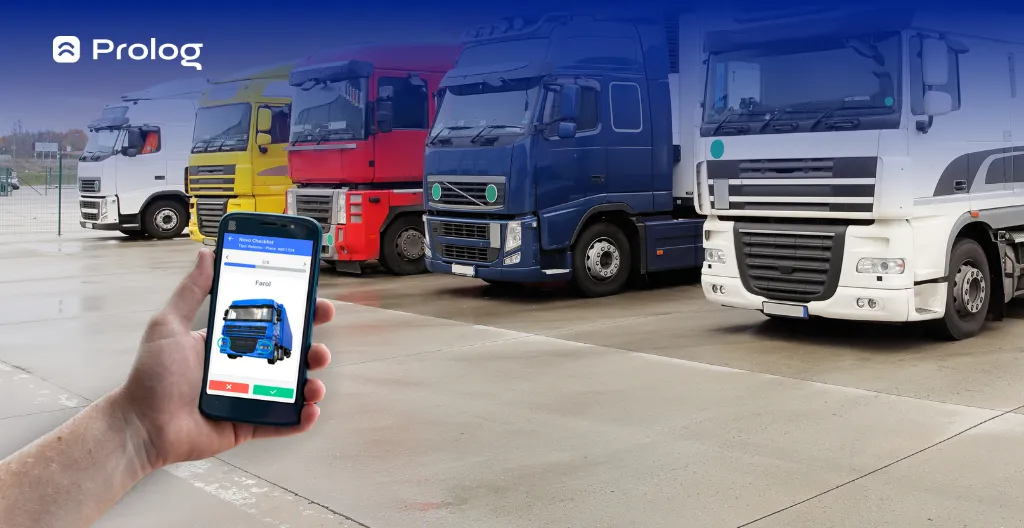
Essential bus fleet components: daily checklist
 Luiz Felipe 4 min read
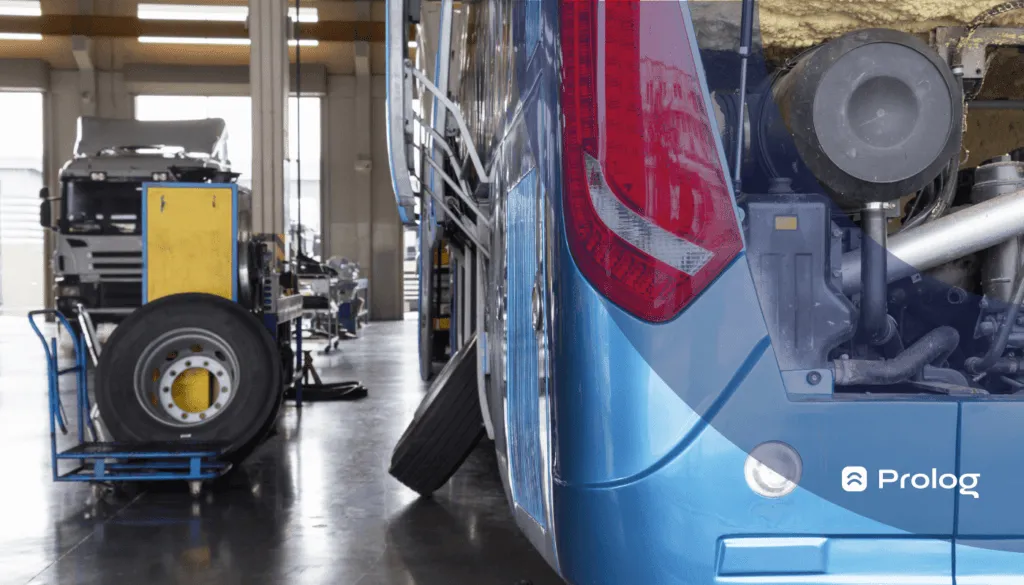
A daily bus checklist is essentially a quick inspection to ensure the vehicle is roadworthy and can complete the trip without issues.
The idea is to include the same items as a fuller check, but in less detail. The point is really to check that nothing is visibly broken, worn or could put drivers and passengers at risk — such as a worn tire, a burnt-out headlight bulb or something similar.
Before putting the vehicle on public roads, the driver should verify that mandatory equipment is present and works properly. In the daily bus checklist, this reinforces a simple routine: looking at and testing items directly affecting trip safety.
Tires
There are two tire issues to assess: wear and calibration. If you can see damage or flat tires with the naked eye, the issue is already very serious.
Of course, using a suitable tool to measure tread depth (wear) and pressure remains the best alternative.
Incorrect calibration affects handling, making steering heavier when pressure is low and the vehicle unstable and unbalanced when pressure is high, for example.
Besides improving bus performance and safety, correct tire pressure helps save fuel.
Brakes
The bus braking system must be in perfect condition. Imagine being on a highway and unable to brake. That risk is too great to treat as a detail.
Including brake inspections in the daily bus checklist is therefore crucial.
Normally, when there are issues, the vehicle turns on an electronic dashboard warning light to alert the driver. However, electronics can also fail or not recognize an issue until it is too late to correct it.
This means: inspect even without any indication of an issue!
An extra driver tip: excessive steering wheel vibrations or brake pedal noise indicate that the system needs adjustment.
Want to see this in your fleet? Talk to a Prolog specialist
Safety measures
Beyond brakes, as mentioned above, safety measures include fire extinguishers and seat belts. They also include items that make driving easier, such as side mirrors, the windshield and other visibility items.
Before every trip, check that fire extinguisher count is correct and none have expired. Also check whether the emergency hammer is in place. Furthermore, check that the vehicle has a first aid kit on board — as it should.
For the other items, drivers should check mirrors are clean and well positioned, the windshield and wipers are in order, and all seat belts work correctly.
It is also important to check the horn operates normally.
Lights and headlights
Check that all lights work, both internal and external: turn signals, headlights, high beams, low beams, brake lights and reversing light.
All play an extremely important role, especially at night. They matter not only for the driver and passengers but for other road users. If they can see the bus, they can drive more safely and attentively.
Checking lights also helps avoid traffic fine costs and loss of driving license points.
Engine
The fundamental engine check is oil level. Also look for noise, smoke, overheating or any other sign indicating issues.
Other items that can be checked include the busbar, coolant level, radiator level and overflow reservoir. The more details inspected to ensure safer passenger transport, the better.
Doors
Are all doors working well, opening and closing properly? Is anything broken or sticking? Is the warning alarm normal? This check is simple but extremely necessary.
Here, it is more a matter of passenger comfort and satisfaction. However, it is very important that everything is in order to prevent a door closing while someone is entering or leaving, for example.
Modules
Bus modules are generally electronic. They check items such as cylinder balancing, ADM parameter settings and receive detailed vehicle wiring diagrams.
This technology helps bus fleets control various vehicle data more safely. Check frequently that modules work properly.
Cleaning
It is important for the vehicle to be clean inside. This is a hygiene issue for passengers seeking a safe, peaceful trip. Interior cleaning should therefore remain part of the daily bus checklist.
Exterior cleanliness should also be checked. Driving a dirty vehicle shows a lack of care for passengers and can even damage vehicle paintwork.
Air conditioning
Buses should have fully functioning air conditioning. It not only maintains a pleasant temperature but filters the air. Neglect can have serious consequences — discomfort, respiratory attacks and unpleasant odors.
Air conditioning is also directly linked to fuel consumption, since it runs on fuel. The better its operating condition, the better fuel consumption performance.
Fuel
Essentially, check fuel level and round-trip distance. If the tank is half full and the trip short, refueling can happen the next day or at least on returning to the depot.
However, if the trip is long and the tank empty, refuel immediately.
This should also be checked against the schedule and available budget: is everything in order? Was this tank fill planned?
Overall, the daily bus checklist should end by answering one question: is the vehicle safe and roadworthy, or at risk?
Now that you have learned how to put the checklist together, see how fleet management software can support inspection and maintenance routines!
Frequently asked questions
What should the daily checklist check on bus tires?
Why inspect bus brakes even without a dashboard warning?
Which safety items should be checked before each bus trip?
Which bus lights should be checked daily?
What should be checked on the bus engine and fuel?
// newsletter
Fleet management content, straight to your inbox
Articles on tires, maintenance and fleet operations. No spam.