What is integrated logistics: inbound, outbound, industrial
 Jade Zart 4 min read
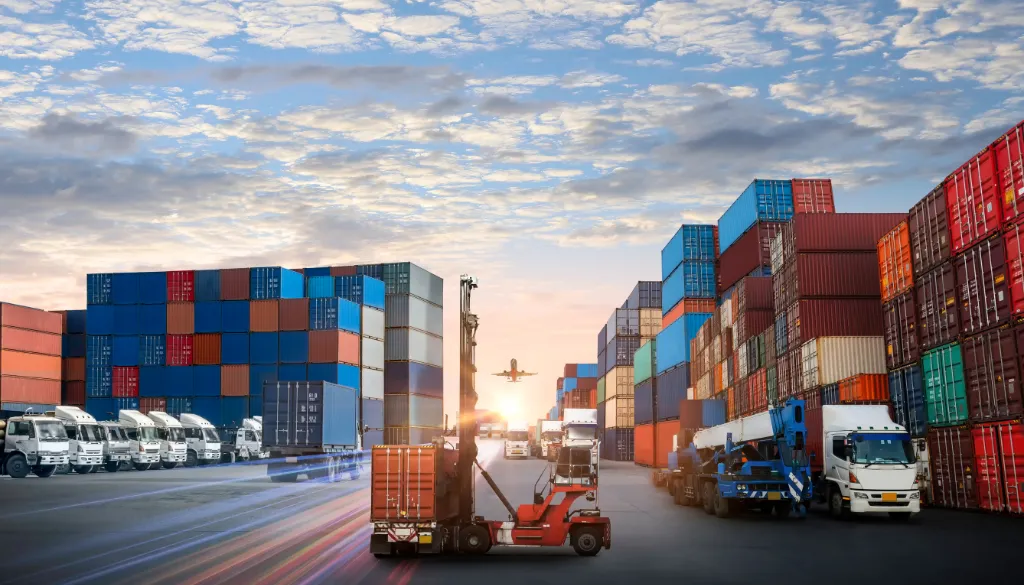
Integrated logistics connects stages that may previously have operated separately, from production to delivery to the consumer. Beyond adopting technologies, it seeks to align processes, people and information so a decision in one department does not create an invisible issue in another.
In fleet management, this can improve route planning, maintenance organization and the response to unforeseen events. Results, however, depend on defined processes and data that represent what happens in the operation, not just on integration between systems.
Integration between departments can improve decision quality when each department shares what it needs and understands the others' constraints. The manager should start with a specific flow — order, cargo, vehicle and delivery — before trying to centralize all information at once.
Read on:
- What is integrated logistics?
- How integrated logistics works
- How applying integrated logistics affects fleet management
What is integrated logistics?
Integrated logistics is a management strategy that coordinates a company's logistics stages and processes, from production to final delivery. Technologies can support this connection, but the central element is the combination of responsibilities, information exchange rules and shared monitoring criteria.
The goal is to make the parts of the supply chain work coherently. By connecting activities, the company can see dependencies between supply, inventory, transport and customer service and decide where to focus efforts to reduce rework, costs or delays.
How does it work?
This model can involve an integrated logistics unit or a logistics coordinator who manages activities and connects the different systems used in each process. What matters is that integration has clear rules for entering, updating and using information.
Tools that can be part of this setup include supply chain management (SCM) software, warehouse management systems (WMS) and transport management systems (TMS). Each meets a specific need; integrating them does not eliminate the need to check source data.
Integrated logistics can also be observed in three areas: inbound, outbound and industrial.
The inbound department manages materials and supplies arriving at the company, including goods receipt, inventory control, internal movement and storage. The quality of these records influences what subsequent departments can plan.
The outbound department involves distribution operations for finished products to the end customer, such as order processing, packaging, dispatch and transport. This is where deadlines, available capacity and cargo information need to be aligned.
In the industrial department, internal logistics coordinates the movement of materials and products in the manufacturing process. The flow between departments needs to ensure each stage has the necessary resources, without creating inventory or waiting time for no identified reason.
How does applying integrated logistics affect fleet management?
With integrated logistics, logistics stages and processes gain points of connection, and that includes fleet management. The fleet can receive or collect cargo and transport it to factories, distribution centers, businesses or homes, but it needs to operate using information from other departments.
Fleet management covers planning the movement of cargo and products, caring for vehicle maintenance, daily route planning and other controls. When processes communicate, the team can identify dependencies before the trip begins and record what prevents the plan from being fulfilled.
By integrating company stages, logistics can facilitate communication and information flow between departments. Integration is useful when it reduces duplication, assigns clear responsibility and allows a change to be understood by those who need to act on it.
With this communication, the fleet manager has a more concrete basis for revising plans. Instead of promising uninterrupted operations, the goal should be to identify deviations, inform the departments involved and choose a feasible response for each incident.
Logistics integration can also support the response to unforeseen events and changes in demand, provided records are updated and the company has agreed who decides on priority, vehicle and route in each scenario.
What changes in your fleet management routine after applying integrated logistics?
The routine changes as departments work more closely together and through the implementation of systems and technologies, when they are needed. Before automating a workflow, it is worth documenting how information originates, who validates it and what happens when it is incomplete or inconsistent.
With integrated processes, management can have a more complete view of events that affect transport and logistics. This visibility does not replace confirmation with the teams involved, but it reduces the time needed to locate the source of an outstanding issue and define the next step.
Activities such as order processing, vehicle allocation and route planning can be organized more consistently when data from each stage are available to the decision-maker. The manager remains responsible for assessing constraints, priorities and the impact of any change.
That is why integration makes work more collaborative and coordinated. Operations, maintenance and IT need to agree on terminology, responsibilities and update routines so technology represents operations instead of creating a parallel layer of controls.
Want to learn more about optimizing your fleet management? Subscribe to our free newsletter and stay up to date with the latest trends and best practices to apply in your company (in Portuguese).
Frequently asked questions
How does integrated logistics work in practice?
What are the areas of integrated logistics?
How does integrated logistics affect fleet management?
What changes in a fleet manager's routine with integrated logistics?
Does integrated logistics depend on technology?
// newsletter
Fleet management content, straight to your inbox
Articles on tires, maintenance and fleet operations. No spam.