Fleet maintenance control: 3 foundations and 5 routines
 Jade Zart 5 min read
One of the main concerns in a fleet is vehicle maintenance control.
Vehicles are the working tools of transport operations and need careful attention to every detail.
Vehicle maintenance is essential for fleet quality and safety, preventing vehicles in poor working order from operating and accidents from happening.
As you have noticed, ensuring all vehicles are in perfect working condition is very important. But where should this management begin? That is what we will look at in today's post:
Where should maintenance management begin?
- Know the full process
The first step managers should keep in mind for good maintenance control is understanding and planning which actions fleet vehicles need.
For example, they need to know how to distinguish maintenance types and understand the stages and processes involved.
2. Have information on vehicles
Knowing each vehicle's current condition is fundamental to good asset administration and keeping vehicles functioning properly. It also helps identify the areas of concern that should take priority.
Managers are responsible for keeping each vehicle's mileage on record and checking it against dates and history to schedule servicing. As DNIT (Brazil's National Department of Transport Infrastructure) points out, preventive maintenance frequency varies with year of manufacture and model; that is why a single monthly rule does not serve all vehicles equally.
Another point is knowing the average age of fleet vehicles. This makes it possible to understand what stage each one is at and predict its durability and useful life.
3. Choose fleet maintenance indicators
Some indicators are crucial to maintenance control.
Estimated durability, for example, is important because it helps project how long each vehicle can run. To do this, managers should know how to identify parts wear and arrange an assessment for replacement when needed.
The MTTR indicator, or Mean Time to Repair, helps keep track of the average time spent repairing an asset; it does not indicate vehicle durability.
In addition, maintenance control should budget costs so fleet maintenance takes place properly, without neglecting vehicles in the garage or workshop.
Estimating their unavailability, if the need for lengthy repairs is identified, is also a crucial process for organizing and running operations as a whole.
All of this should be part of vehicle maintenance in practice.
These are some of the main factors for starting successful vehicle maintenance management. They help achieve better results, positively affecting the fleet's daily routine and helping lower costs.
Now, let us look a little more closely at how to carry out vehicle maintenance:
How do you carry out fleet maintenance control?
In vehicle maintenance control, some actions can help when doing the work. It is important to pay attention to details such as calibration, the fuel used and up-to-date history. These aspects are necessary for good management.
Here are the stages of a fleet maintenance routine:
Have checklists
Safety and efficiency are goals of good maintenance.
It is important to control all vehicle components. These are the items that help managers measure a vehicle's replacement, servicing and maintenance needs.
Here are some that should be watched closely:
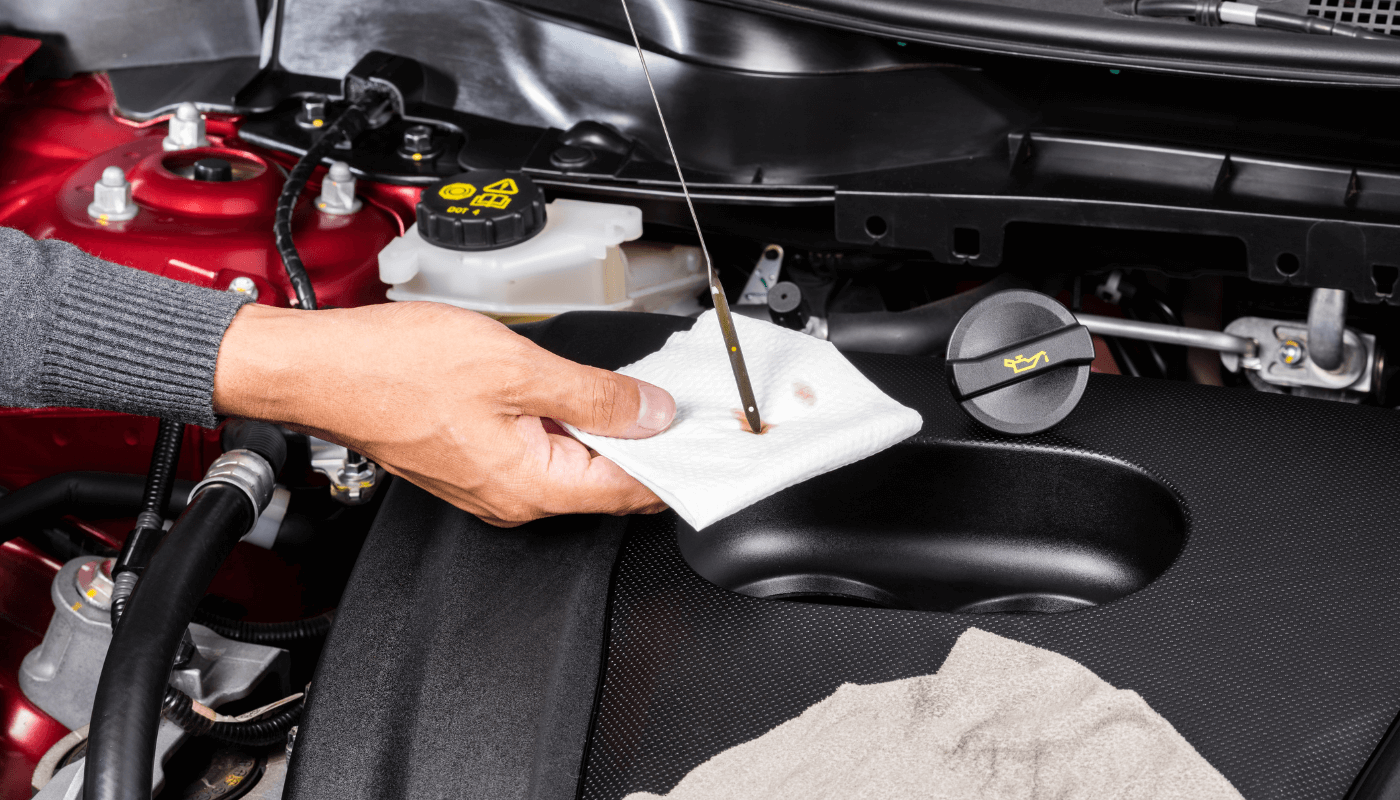
- Oil and filter changes;
- Cooling and fuel systems;
- Electrical components;
- Braking system;
- Steering and suspension;
- Headlights, license plate lights and position lights.
Another point is keeping track of tire wear. Paying attention to calibration is essential to ensure this asset's durability.
To avoid forgetting any item, using a vehicle checklist is fundamental. In Brazil, CONTRAN (the National Traffic Council) Resolution No. 993/2023, in force since July 3, 2023, establishes mandatory equipment for vehicles in circulation and assigns enforcement officers the task of checking its working condition. In manual fleet control, organize a sheet for each vehicle and record the date, mileage, item checked, issue found, action taken and person responsible. Make sure drivers are filling out checklists correctly. Only then will you actually have the necessary data at hand.
Pay extra attention to tires
Tire condition should be one of the priorities during fleet inspections. These parts are essential to ensure vehicle durability, as well as greater safety on the road.
Paying attention to the right time to replace tires, when they should be inflated, and preventing them from becoming bald are some practices that should be followed.
Including tire management processes alongside maintenance management gives your fleet control the extra support it needs.
Control fuel consumption
Another aspect is fuel consumption, which can indicate some issues.
If a vehicle is consuming more than it should, you need to pay attention. It may have mechanical issues, for example, or be receiving fuel of questionable quality.
Keep a maintenance history
It is important to keep an up-to-date history for every fleet vehicle, an essential factor in maintenance control.
The explanation is that vehicles may be of the same make and bought at the same time, yet run differently and require personalized maintenance.
Investing in good vehicle maintenance control practices means thinking about your fleet's financial health. With them, task execution becomes more accurate and allows managers to identify and predict issues that may occur.
Rotate vehicle downtime
Maintenance control should consider the particular characteristics of each fleet vehicle.
That means specifying each vehicle's characteristics to ensure downtime for adjustments is rotated and avoid losing business productivity.
Some important points when listing fleet vehicle characteristics include knowing which are used most and how long they have been in use; the loads and routes each handles; and specifications for year, model and servicing history.
Because this management requires so much attention and care, logistics tools can already offer the help you need to speed up your routine and increase productivity.
Prolog itself brings together the best solutions for your fleet, considering time optimization and financial impact. Take a look at our Maintenance Control Spreadsheet (in Portuguese) and start generating more results for your company.
Frequently asked questions
How do you carry out manual fleet control?
Where should fleet maintenance control begin?
Which indicators should be used in maintenance control?
How often should fleets carry out preventive maintenance?
Why control fuel consumption as part of maintenance?
// newsletter
Fleet management content, straight to your inbox
Articles on tires, maintenance and fleet operations. No spam.