
S10 diesel rises 7.7% amid Iran war: freight impact
 Jean Zart 3 min read
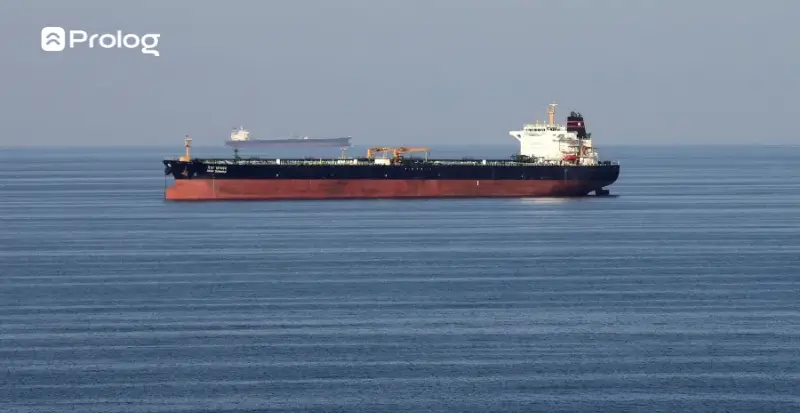
Image: Hamad I Mohammed/Reuters - 12/21/2018
Coordinated US and Israeli attacks on Iran, which began on February 28, 2026, caused an immediate surge in oil prices and are already directly affecting the cost of diesel in Brazil.
A barrel of Brent crude, priced at US$72.48 on the eve of the conflict, exceeded US$120 on March 9, a rise of more than 60% in less than two weeks.
Iran's closure of the Strait of Hormuz in retaliation for the attacks worsened the situation. The route is one of the most critical in global energy trade: around 20 million barrels of oil pass through it each day, roughly 20% of worldwide consumption.
With tanker traffic reduced by around 70% and more than 150 ships anchored outside the strait to avoid risks, global oil supply suffered a shock that markets priced in almost instantly.
The impact in Brazil
In Brazil, the effects have already reached distributors and filling stations. According to the Edenred Ticket Log Price Index, S10 diesel rose 7.7% in the first week of March, from R$6.09 to R$6.70 per liter on the national average. In some states, such as Bahia and Paraná, distributors passed on increases of up to R$0.80 per liter.
NTC&Logística issued a statement warning that the cumulative impact on diesel already exceeds 10% in 2026 alone, also accounting for the increase in ICMS (Brazil's state tax on the circulation of goods and services) that came into effect in January.
For road freight transport, diesel accounts for around 35% of freight costs. Any significant change in fuel prices directly pressures transport companies' margins and, consequently, costs throughout the logistics chain.
Import dependence and the price gap
Brazil's dependence on imported diesel adds another dimension to the problem. The country imports between 25% and 30% of the diesel consumed domestically, making the national market directly vulnerable to international fluctuations.
According to Abicom (Brazilian Association of Fuel Importers), diesel sold in Brazil already has an estimated 64% price gap relative to the international market, increasing pressure for further adjustments if the conflict continues.
Petrobras said it had not announced price adjustments so far and was monitoring the situation daily. However, analysts believe its ability to hold prices down has limits: if oil remains at high levels for longer, passing on the increase to consumers becomes inevitable, whether through the state-owned company's own refineries or through independent importers and distributors already operating at market prices.
What this means for your fleet
The duration of the conflict and the fate of the Strait of Hormuz are the central variables beyond fleet managers' control. And there is no doubt: the situation is uncertain.
This moment calls for daily monitoring of diesel prices, reviewing freight contracts with price adjustment clauses where possible, and extra attention to refueling management.
This is what is actually within the control of road transport operations: fleet management. There is no way to reduce diesel use, but it is possible to absorb this impact by controlling vehicle refueling and fuel consumption to avoid fraud, adulterated diesel use and excessive consumption.
Increased consumption may also be related to vehicle maintenance problems, tire wear or inadequate calibration, as well as driver behavior. If you manage all these areas, the impact of diesel price increases will not disappear, but it will be smaller and better absorbed in your operation.
Want to keep up with content like this and other analyses of freight transport costs? Subscribe to Prolog's newsletter (in Portuguese).
Frequently asked questions
Why did diesel prices rise in March 2026?
How much did diesel prices rise in Brazil amid the Iran conflict?
Why is the Strait of Hormuz important for oil?
Will Petrobras adjust diesel prices because of the war?
What can fleet managers do about rising diesel prices?
// newsletter
Fleet management content, straight to your inbox
Articles on tires, maintenance and fleet operations. No spam.
Read also
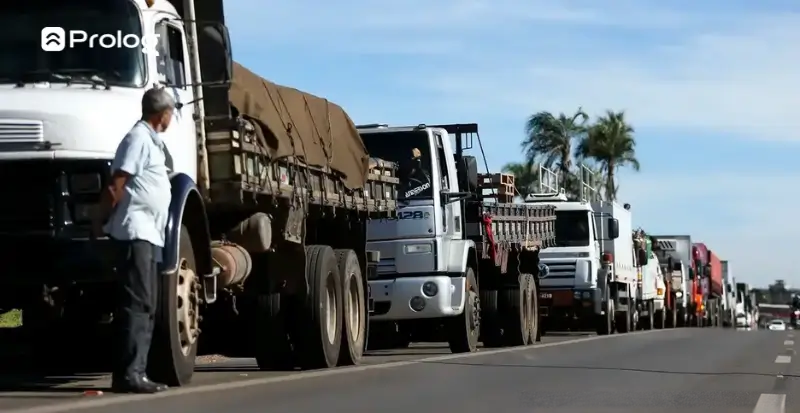
Brazil truckers' strike 2026: causes and rules
The threat of a truckers' strike in Brazil in 2026, diesel pressure, freight rate floor measures and the mandatory CIOT (freight operation code).
Image: Marcelo Camargo/Agência Brasil
Jean Zart  News
 News