
Wholesale distribution: R$ 616 billion and fleet pressure
 Jean Zart 3 min read
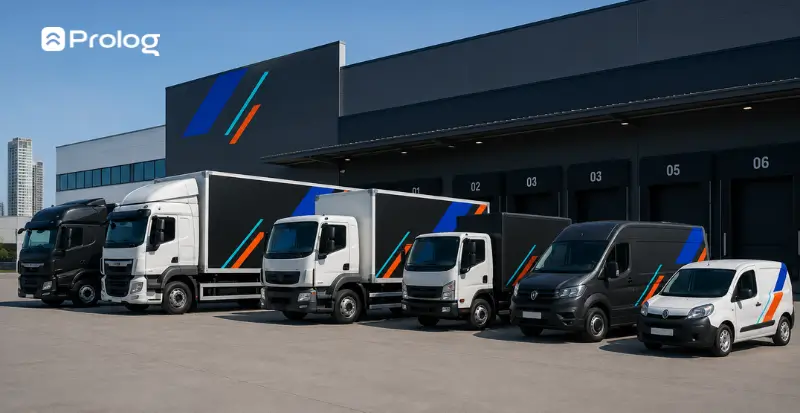
Brazilian wholesale distribution closed 2025 with revenue of R$ 616.6 billion, according to ABAD, the Brazilian wholesale distributors association. Nominal growth was 17.27% and real growth, after inflation measured by Brazil's IPCA index, was 11%. As a result, the industry increased its share of the grocery market (focused on basic consumer goods) from 53.7% in 2024 to 56% in 2025.
The figures are impressive, but what draws attention for those working in fleet management is another layer of these data: the 768 companies participating in the study total 22.4 thousand owned vehicles and 28 thousand outsourced vehicles. That is a lot of wheels turning, and as the industry grows, delivery logistics face greater demands for both speed and control.
The operating model most dependent on a fleet continues to carry significant weight in the channel. Distributors offering delivery account for 31.3% of reported revenue, and ABAD's own analysis, excluding Atacadão's data, shows distributors offering delivery leading the indirect channel. In other words, a significant share of the industry's revenue still passes, literally, through a truck bed.
Since the ABAD Ranking results are released annually in May, the latest snapshot changes the basis of analysis: instead of looking only at 2024, managers now assess a larger market, with more responding companies and more vehicles reported in the operation. Even when the pace varies from one period to another, the central fact remains: wholesale distribution operates at a large scale and under constant pressure for logistical efficiency.
The fleet at the center of strategy, rather than in a supporting role
This scenario puts fleet management at the heart of wholesale distribution, especially for those operating owned vehicles. The pressure for faster, more efficient deliveries cannot be solved by increasing the number of trucks or drivers, because that would raise costs proportionally. The answer lies in extracting more performance from the fleet that already exists.
Intelligent route planning, preventive maintenance control, tire management and fuel management, standardized inspections… All of this stops being an “operational improvement” and becomes a condition for staying competitive. Anyone still working with routes set by habit, maintenance only when a vehicle breaks down and spreadsheet-based tire control is losing money on every delivery.
Running an owned fleet, in fact, is a choice that requires discipline. Investment goes beyond vehicles and involves management systems, maintenance processes, driver training and data integration.
In return, it enables something outsourcing rarely provides: process standardization and logistics integrated into the commercial relationship with the customer. For a distributor serving small and medium-sized retailers (and depending on frequent, reliable deliveries), this operational predictability becomes an asset.
In 2026, the trend is toward growing use of technology in fleet and distribution management. Operations that invested in data and automation can make faster decisions, identify losses before they turn into financial damage and adjust routes based on operational indicators. Those that have not made this move will increasingly feel the burden of inefficiency in their costs.
Industry data reinforce a familiar equation: as volume grows, control over assets needs to keep pace. Factors such as vehicle availability, cost per delivery and component useful life carry more weight in results, and keeping close track of them becomes part of the routine, rather than just strategy.
Want to keep up with the main developments affecting your fleet management? Subscribe to our newsletter (in Portuguese) and receive analysis and updates directly in your inbox.
Frequently asked questions
How much revenue did wholesale distribution generate in 2025?
How many vehicles are in the wholesale distribution fleet?
Why does wholesale growth put pressure on owned fleets?
What does running an owned fleet in wholesale distribution require?
// newsletter
Fleet management content, straight to your inbox
Articles on tires, maintenance and fleet operations. No spam.
Read also
 News
 News
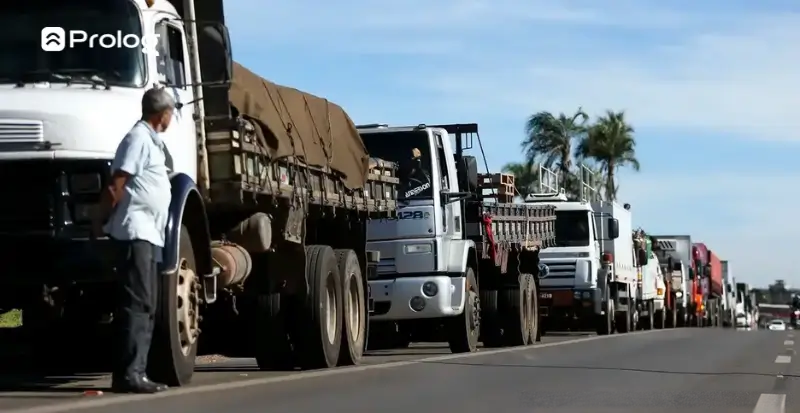
Brazil truckers' strike 2026: causes and rules
The threat of a truckers' strike in Brazil in 2026, diesel pressure, freight rate floor measures and the mandatory CIOT (freight operation code).
Image: Marcelo Camargo/Agência Brasil
Jean Zart