Oil change: when to do it on fleet vehicles
 Luiz Felipe 6 min read
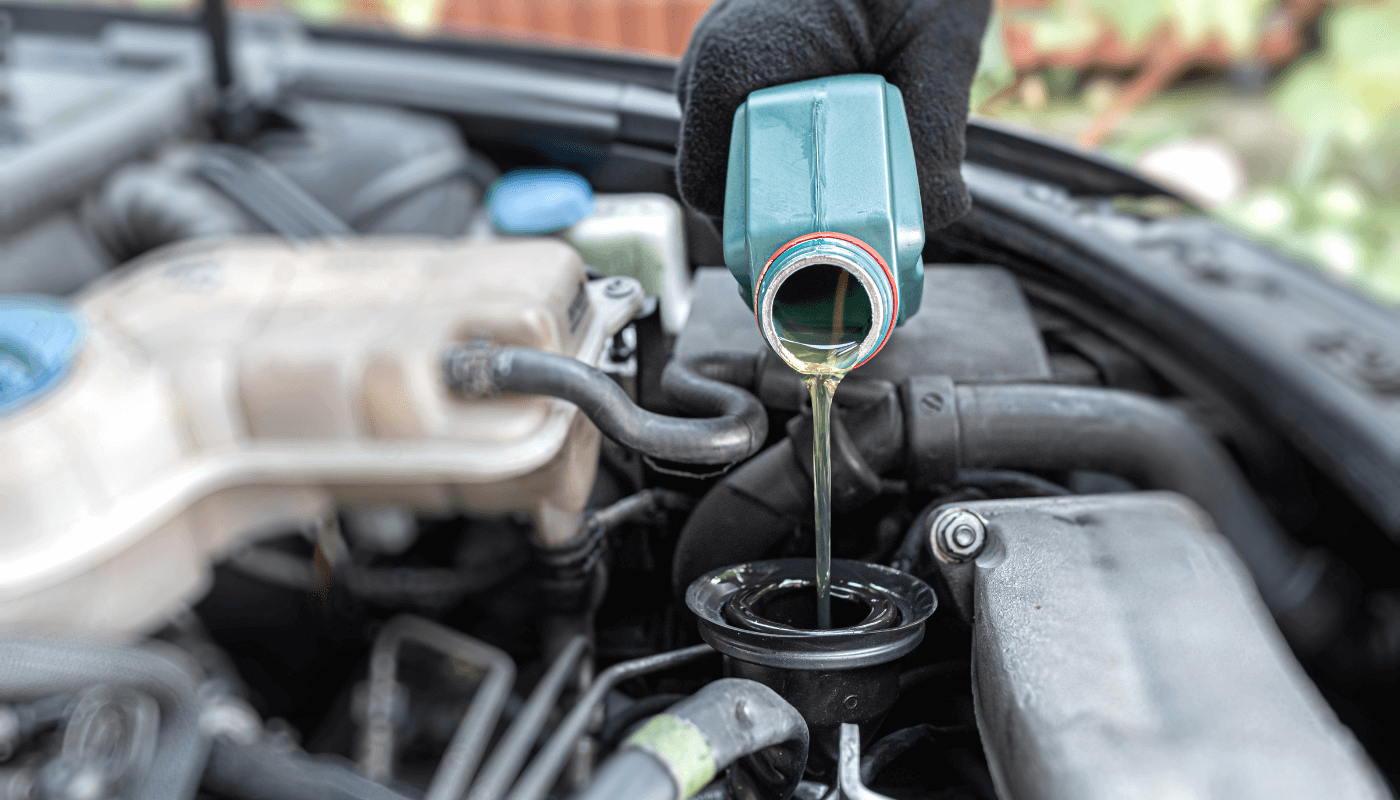
Changing the oil in fleet vehicles is a fundamental task to ensure their proper operation and performance.
It basically means replacing the engine's used lubricating oil with new fluid, respecting the specification and interval defined for that engine. Oil below the required level needs immediate attention and may require topping up according to the manufacturer's procedure, but this should not automatically be treated as a scheduled oil change.
The biggest question around this activity is knowing when it is time for a change and which criteria determine it. The sections below cover:
What is a vehicle oil change for?
Engine lubricating oil is a fluid containing substances to help both lubricate parts, preventing friction wear during vehicle operation, and control engine temperature. Product choice must respect the manufacturer's recommendation, the specified viscosity and the temperature range in which the vehicle will operate until the next change.
Lubricating oil does not have the same function as engine coolant, but helps the cooling system perform better.
Why change engine oil?
Besides inspecting the fleet, it is important to check engine oil level periodically to prevent it from falling below or even exceeding the recommended level, since both too little and too much oil harm engine operation. If the level is near or below the minimum, the guidance is to top up to the indicated maximum; excess oil also poses a risk of engine damage.
In addition, dirt and residue naturally accumulate in the fluid, which also makes it harder for the oil to do its job — even causing the opposite effect and harming engine parts. This is another reason to use the correct product, respect the indicated specification and avoid making oil changes a generic decision for all vehicles.
Oil changes are essential to prevent engine damage that could cause you to lose a vehicle prematurely or face higher corrective maintenance costs. Using the oil grade recommended by the manufacturer also helps with fuel consumption.
Problems that occur if oil changes are not done correctly
Loss of engine performance
The vehicle starts losing efficiency early on. Any problem, whether with the oil, coolant or even engine water level, causes a loss of performance.
In other words, the engine keeps working, but its parts and components experience more friction, may take longer to respond to some commands, lose power and can even interfere with proper fuel combustion. Using the oil grade recommended by the manufacturer also matters for consumption: in engines designed for 5W-30, for example, using 10W-30 can reduce fuel economy by 1% to 2%.
Seized engine
When the oil change is postponed for too long, the problem also gets bigger. Lack of lubrication or incorrect lubrication causes engine parts to experience more friction, generating more heat during operation.
Since oil also has a role in engine cooling, this can harm that system's efficiency and prevent the proper performance of the fluid that helps lower temperatures to start and move the vehicle.
As a result, temperatures can rise so high that they cause the engine to seize.
When should you change vehicle oil?
The answer to this question depends on the vehicle's make and model, and even the year it was released. The type of lubricating oil to use and the oil change frequency are described in the vehicle owner's manual, and this recommendation must be followed correctly.
This is because engines differ in construction, and even as they evolve year after year, materials can influence the oil used. Therefore, it is important to inspect the fleet and identify the oil recommendation when acquiring each model, recording it somewhere easily accessible. It is also worth separating topping up from a preventive oil change: adding oil may be necessary when the level is low, but does not replace the maintenance plan.
Likewise, include inspection of this item in the maintenance plan at the frequency indicated for each license plate in the fleet.
It is important to stress:
For trucks and buses, there is no single figure that works for the entire fleet. The interval must start with the manual, the manufacturer's recommendations and the plan indicated for the vehicle's application. If the fleet intends to adopt extended oil change intervals, consult the equipment or lubricant manufacturer, especially when the vehicle is under warranty.
You will need to determine the most appropriate average through the fleet's maintenance history, checking oil-related incidents, mileage and recurrences by license plate. This history helps manage maintenance records and schedule the next manufacturer-recommended actions, without contradicting technical specifications or turning an oil level problem into a simple automatic early oil change.
To keep track of the need for an oil change:
Use tools to keep on top of this task in your fleet. These include:
Vehicle inspection checklist
It can be on paper, provided documents are correctly filled in and filed for consultation when needed. This helps the manager assess, from the checklist completion date, when the next inspection should be done and when to check engine oil. It also helps distinguish a level inspection, a necessary top-up and a change scheduled in the maintenance plan.
Maintenance control spreadsheet
The spreadsheet is an alternative that requires more hands-on work to function properly, since you need to constantly collect data from day-to-day operations and enter it. The benefit is that, once the spreadsheet is configured, you will have comparative charts at the end of each month with the information you chose to keep track of.
Electronic checklist
The electronic checklist is a modern, technological alternative for inspecting fleet vehicles. The whole process, from creation to work order generation, is carried out through the system on the computer and/or mobile app.
The biggest advantage of the electronic checklist for maintenance management is that processes are faster and reports are all automated.
Maintenance management system
This system includes features that carry out the same tasks and keep the same records as the other maintenance management tools, with the added benefit of greater agility and productivity through automation.
It can even be integrated with the electronic checklist so that even more information can be entered, increasing business intelligence and providing reports and insights that add value to the manager's decisions.
How do you change the oil?
To change the oil, you need to follow some recommendations:
- Use products that match the required oil viscosity and performance level, taking into account the oil's material composition, the operating temperature range and the vehicle or equipment manufacturer's requirements;
- Change all the oil at once, avoiding mixing “old” oil with new oil;
- Do not add additives to old or new oil;
- Get a mechanic's help to carry out the oil change service.
Also remember to keep track of how often the oil is changed and include it in your fleet's inspection checklist. We also have a free, ready-made template for you to start using.
Download the daily and complete checklist templates here (in Portuguese).
Frequently asked questions
What is an engine oil change for?
What happens if I delay an oil change?
How do you know how often to change the oil?
Which tools help keep track of when to change the oil?
What precautions should you take when changing the oil?
// newsletter
Fleet management content, straight to your inbox
Articles on tires, maintenance and fleet operations. No spam.