Tire controller: what the job involves and how to prepare
 Luiz Felipe 5 min read
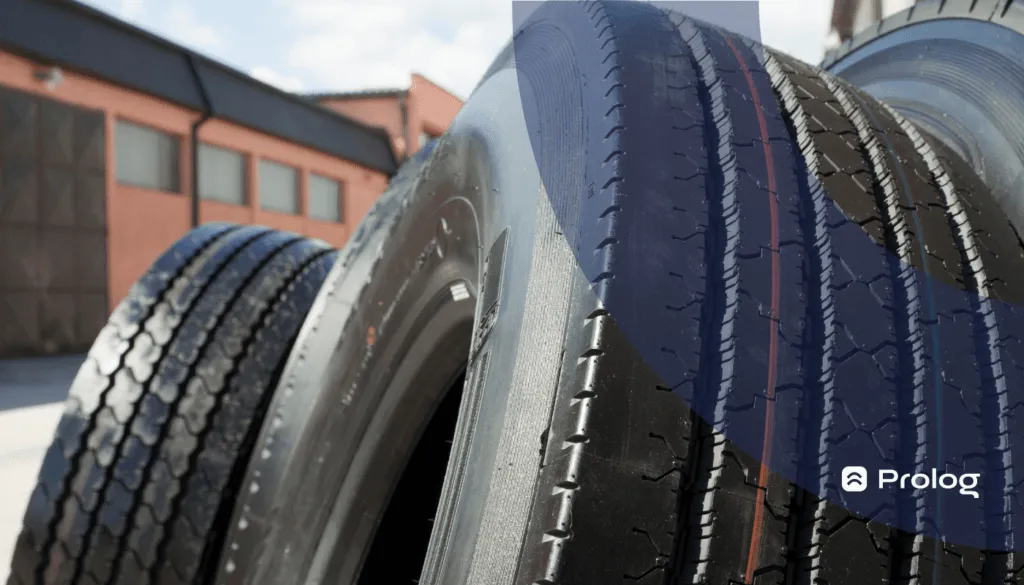
A tire controller, or tire manager, as the role may also be known, is the professional responsible for organizing and keeping track of the care of vehicle tires in a specialized company, which may be in logistics, auto repair, car dealerships or any other sector.
Contrary to what many may think, this professional's role is not just to observe the tires and replace them when they are ready for disposal. In fact, they must establish and coordinate the fleet's tire inspection routines, as well as analyze the collected data, generate reports and create plans to reduce costs and stop losing tires prematurely.
In addition, they need to keep an eye on the market, on administration and on fleet care. It is a job that involves both theoretical and practical knowledge, because it combines workshop routine, inventory control, keeping track of services and decision-making.
That is precisely why it is so important to know where to start your studies and which direction is ideal for seeking a position in transport companies or in operations that depend on well-maintained tires.
To turn tire management into a profession, start by understanding:
What does a tire controller do?
In short, their skills should contribute to the fleet as a whole. From purchasing and replacement to innovations, strategies and actions involving the tire market.
And what is all this for? With the goal of bringing more safety, organization and savings to the business they work for.
So, the tire controller must manage the tires of a company's fleet, carrying out a series of activities aimed at improving vehicle performance and reducing costs. In practice, this involves both keeping track of the work done on the tires and gathering operational records, inventory data, inspection results and maintenance information to support decisions.
The duties in a tire controller's routine can vary according to the company, the size of the fleet and how the position is designed. In general, they include:
- Authorizing vehicles in and out for tire maintenance;
- Overseeing the performance of a fleet's tires;
- Examining anomalies caused by mechanical failures in the tires;
- Keeping track of the tire shop's routine;
- Projecting tire consumption;
- Controlling the number of tires in inventory;
- Preparing budgets for retreading and purchasing tires.
Want to improve your fleet's tire management? Talk to a Prolog specialist
All work involving a tire can pass through this fleet professional, from replacement and repair to the analysis of wear patterns. However, before dedicating yourself to learning a profession, you need to be aware of the requirements of the companies that usually hire a tire controller.
Without a doubt, experience is an important point and weighs heavily in the hiring decision. But willingness to learn and dedication are fundamental factors when pursuing a career. Therefore, having specialized courses on your résumé will make a difference, and a degree can help when the position involves management, leadership, purchasing, budgeting or administrative processes.
What training is needed to be considered a tire controller?
To have a better chance in the market, it is important to seek a certificate in a tire controller technical course, a tire technical course or a specific course for fleet tire inspectors. In some roles linked to tire repair and replacement, the formal requirement usually starts at a high school diploma or equivalent, but companies may ask for specific experience, courses and knowledge according to the position's responsibilities.
Generally, these courses will teach the characteristics, structures and dimensions of tires, the external influences that act on the tire and traffic legislation to prevent infractions and losses. It is also common for preparation to involve practice: for tire-related occupations, on-the-job training can range from a few days to up to a year, depending on the role and the complexity of the operation.
You need to find out which course in the field is available in your region so you can specialize. Or, if you prefer, which courses are available for distance learning.
It is important to note that, although many of these courses are available without the need for a higher education degree, a degree can make the professional more competitive for positions that require data analysis, team coordination, cost control, negotiation with suppliers and process organization.
Business administration is a useful alternative for those who want to bring their career closer to management. On the other hand, there is the alternative of a technologist degree, which is shorter and offers more possibilities. For example, you can focus on commercial management, management processes and finance, or industrial production management.
What else is needed to be a tire controller?
Gathering as much material as possible online (such as by visiting Prolog's portals), manuals and study libraries, and creating a personalized notebook with all the useful knowledge can also help you gain more credibility and confidence when entering the market and in your work routine.
In addition, staying aware of the new technologies that emerge, of tire innovations and of tire control in fleets is crucial. Staying up to date (in Portuguese) makes practicing the profession easier and shows companies how focused you are on optimizing the fleet's tire processes.
Before the next suggestion, it is important to make clear that you must ask for permission to enter companies or observe the work of other professionals, right?
That way, you can visit logistics companies and tire shops, have a good conversation with professionals who have worked in the field for a long time and pick up as many tips as possible.
They can also suggest places to study, such as technical schools and schools specializing in tire management. In addition, you can get closer and, who knows, observe tire analyses as a form of internship.
To start your professional development as a tire controller right now, Prolog offers a complete e-book on how efficient and economical tire management works and what it takes — just click here and download it (in Portuguese). Happy studying!
Frequently asked questions
What does a tire controller do?
What training do you need to be a tire controller?
Which degree fits a tire controller career?
Under what employment terms does a tire controller work?
How do you gain experience before entering the tire field?
// newsletter
Fleet management content, straight to your inbox
Articles on tires, maintenance and fleet operations. No spam.