How to stop losing tires in your fleet
 Luiz Felipe 4 min read
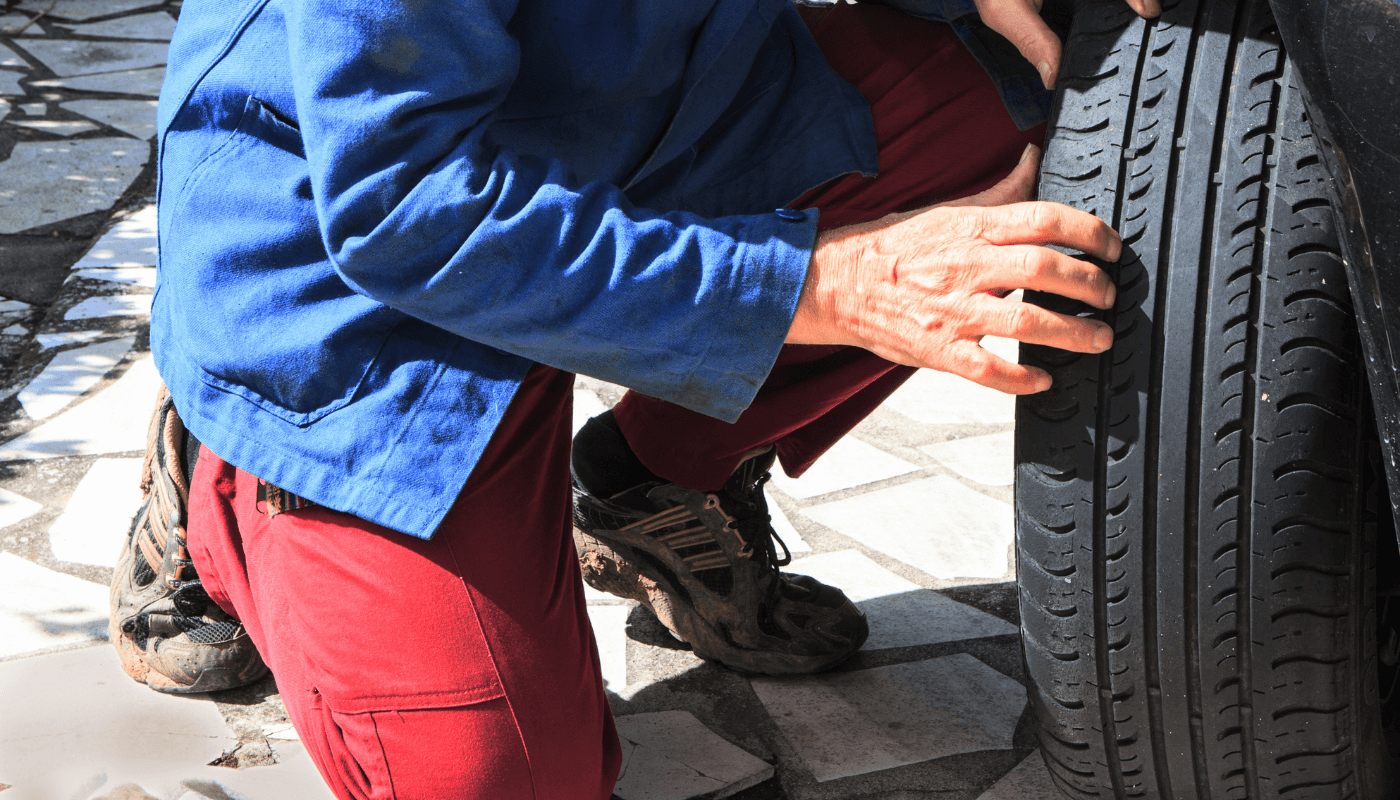
Losing tires is a complaint from many fleet managers, who end up with high costs for purchasing new models and constantly look for cheaper alternatives.
In this mission to reduce the fleet’s operating costs, you may face problems such as using tires to their limit, harming the chances of a retreading process.
Or you may skip a tire management routine to save on labor.
The problem even extends to the driver, who may not notice the need to check and adjust the vehicle’s tire pressure, causing greater wear on the tread or localized areas of the tire.
These situations end up leaving the manager without information: the manager does not keep track of damage to assets and cannot make informed, accurate decisions to get more lives out of them and bring savings to the operation.
In this post, learn:
- How to stop losing tires in your fleet;
- Which analyses to perform to avoid losing tires in the operation.
How can you stop losing tires in your fleet?
The main reason for losing tires prematurely is the lack of a tire management routine.
After all, without keeping track of the assets’ pressure and wear over time, you cannot identify the ideal moment to replace the tires and send them for casing analysis and retreading.
As a result, tires may suffer excessive damage, leading to more retreading rejections, increasing the need to buy new assets and also generating higher costs every month.
So, as the main solution for avoiding premature disposal, you should introduce fleet tire management processes.
At least, that is what Cobeb’s fleet supervisor did, with very positive results, reducing tire retreading rejections at the company by 50%.
And what are these processes?
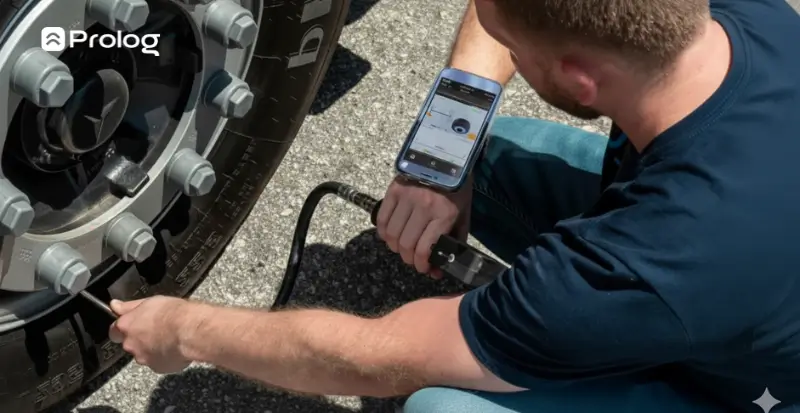
We can name tire inspection as the main process: collecting and analyzing pressure and tread depth data. From these data, it is possible to determine the causes of premature wear or irregular wear, as well as the best solutions to adopt.
For these determinations to be possible, the data analysis process is also essential.
So, beyond adopting this routine of regular inspections, you need to do so in a productive way that makes information easier to access, allowing the data to be interpreted more conveniently.
Which analyses should you perform to avoid losing tires in the operation?
After collecting data on your fleet’s tires, you can use it in different ways to reach various conclusions. For example:
Tire CPK
The cost per kilometer driven for each tire can be calculated by adding the tire’s purchase and retreading costs and dividing them by the sum of the km driven before and after retreading.
The lowest CPKs you find in the operation provide valuable information: which models to focus on for the next purchase.
Low-performance models
If, with all this information available in your tire control system and appropriate care of the assets, you still have tire brands and/or models that last less time than expected or suffer more damage than the others, you can consider them low-performance items.
And, of course, you can remove these models from your list of future purchases.
Increase in fuel consumption
Although it is not directly related to tire management, if you identify an unexpected increase in a vehicle’s fuel consumption, it may indicate a tire problem.
In cases of incorrect calibration, for example, especially when the pressure is below the recommendation, the consequence is precisely this: increased consumption.
Similarly, irregular tire wear can harm the vehicle’s performance as a whole and increase its refueling costs. So it is important to manage your operation comprehensively, analyzing all vehicle factors together.
Predictability of asset replacement
Keeping track of tire wear also makes it easier to understand when replacement should take place.
A very common consensus among those who already have experience in the field and manage tires correctly is that tires need to be removed from the vehicle with at least 3 mm of tread depth.
This is because, at that point, the tire casing is still well preserved and the retreading process is not only possible but also becomes more durable.
If you drive beyond that, or even reach the legally imposed tread depth limit of 1.6 mm in Brazil, the casing is likely to suffer fatigue and you may face rejection for retreading.
When you know, month by month, the average tread depth loss of each tire model in your operation, you can build a calendar with these replacement forecasts and avoid losing tires prematurely.
You can also use a tire management system that already provides this and other information automatically, such as Prolog App — discover our complete tool for greater and better control of your fleet.
Frequently asked questions
My tires are lasting less time than they should. What should I investigate first?
How do you calculate a tire’s CPK?
At how many millimeters of tread depth should I remove a tire from the vehicle?
A vehicle’s fuel consumption has risen without explanation. Could it be the tires?
Can you predict when each tire will need replacing?
// newsletter
Fleet management content, straight to your inbox
Articles on tires, maintenance and fleet operations. No spam.