Heavy machinery tires: how to choose and preserve them
 Luiz Felipe 5 min read
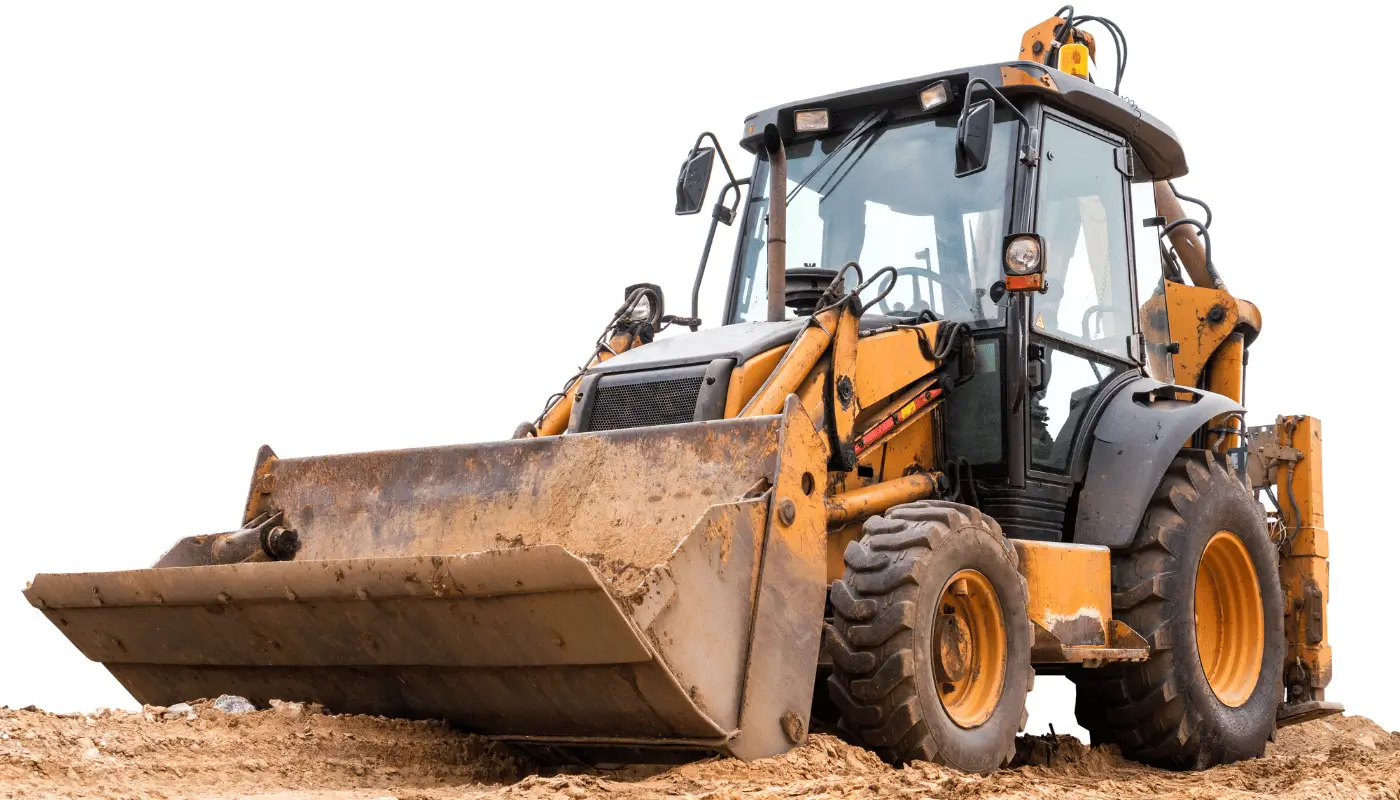
Tire management for heavy machinery focuses on operating large equipment such as excavators, tractors and mining trucks.
This practice aims to ensure that these vehicles' tires are always in ideal condition for use, bringing savings, safety and productivity to operations.
Besides extending tire useful life, good management helps reduce operating costs, avoiding unplanned stops and premature replacements.
Explore the following:
- What tire management for heavy machinery is
- Its importance and benefits
- How to manage heavy machinery tires
- Basic principles for choosing tires
- Tire risk management for heavy machinery
What is tire management for heavy machinery?
Tire management for heavy machinery is a practice for fleets of equipment such as excavators, tractors and mining trucks that aims to oversee and maintain good tire condition to optimize tire use.
This management ranges from proper tire selection to regular maintenance, including keeping track of performance and implementing corrective and preventive actions.
What are its importance and benefits?
Maintaining a tire management routine for heavy machinery is essential to ensure operational safety. It can also contribute to lower costs and increased productivity.
The benefits include:
Longer tire useful life
Proper management can extend tire useful life, because regular maintenance and constant oversight help identify and correct issues before they become critical.
Lower operating costs
Well-maintained and well-managed tires result in fewer unplanned stops and premature replacements. Both events generally increase operating costs considerably.
Optimized performance
Heavy machinery with well-cared-for tires operates more efficiently. Correct pressure and the absence of uneven wear ensure equipment operates in ideal conditions, improving productivity.
How do you manage heavy machinery tires?
Choose the right tires
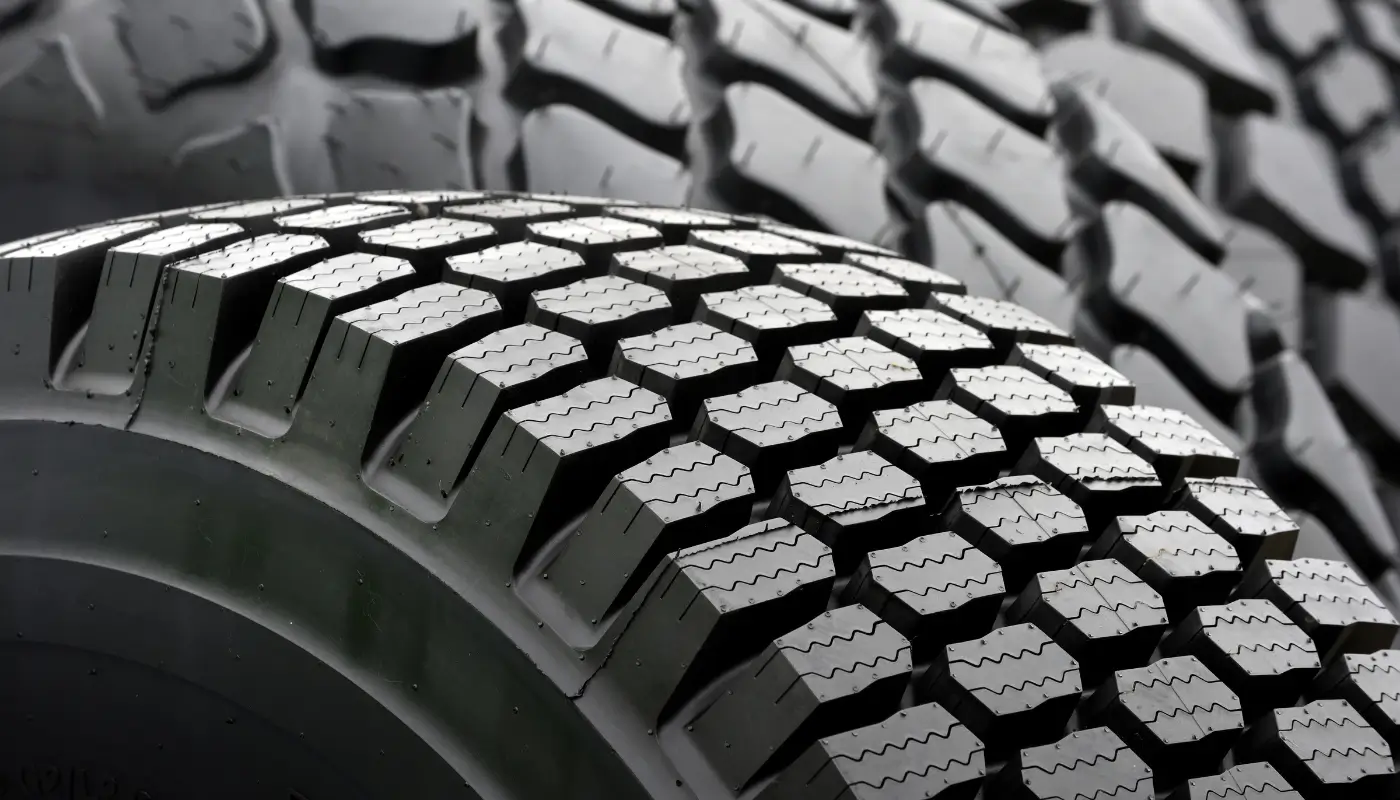
Consider the machine type, work environment and load carried. Tires suited to the ground where the machine operates — whether rocky, sandy or muddy — help maximize traction and minimize wear.
Each machine and vehicle type will already have specifications for the most suitable tires. It is important to know and follow these recommendations as closely as possible to obtain the best results too.
Maintain the tire inspection and maintenance routine
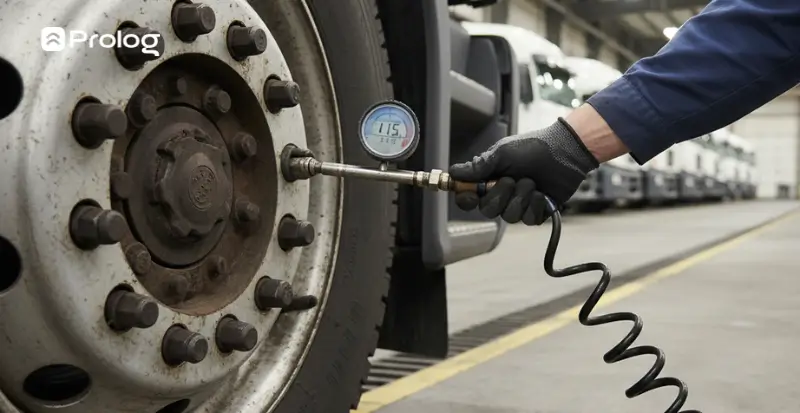
Regular tire inspections are crucial for identifying and correcting issues before they become serious.
Checks of pressure, tread depth and visible damage should follow a defined inspection schedule and reflect trip frequency.
Preventive maintenance, such as tire rotations and alignment, should also be on the tire maintenance schedule because it helps distribute wear evenly, extending asset useful life.
Train and develop the team
A well-trained team will know how to identify signs of premature wear and structural damage and make necessary adjustments — or, for drivers, identify the need for adjustments to report to managers and supervisors.
Collect and record data for ongoing analysis
Collecting and recording tire performance data allows detailed, ongoing analysis.
Information such as mileage traveled, tire condition at each inspection and maintenance history helps identify wear patterns and optimize management.
Using digital tools to oversee these data makes analysis and informed decisions easier.
Basic principles for choosing tires
To choose the best tires for your heavy vehicle fleet, follow vehicle manufacturers' recommendations for the most suitable models and sizes, while also considering your operations' specific conditions.
In more detail, these are the essential aspects of choosing the most suitable tire:
Know the manufacturer's specifications
Each heavy machine comes with specific manufacturer recommendations for the most suitable tire types. These specifications consider factors such as load capacity, soil type and operating conditions.
Following the recommendations ensures you are using tires that meet the machine's performance and safety requirements.
Assess operating conditions
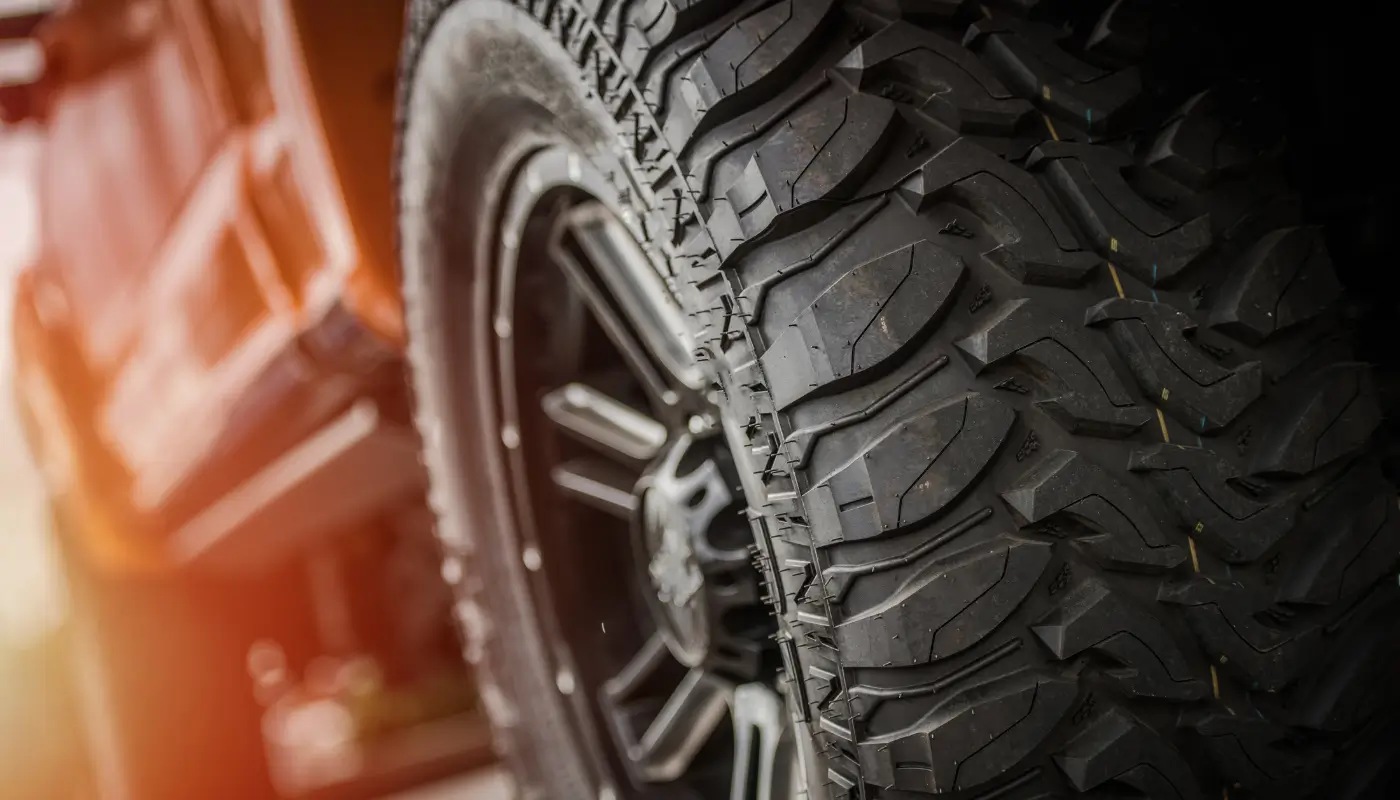
The terrain where the machine will operate is one of the main factors to consider when choosing tires. Rocky, sandy, muddy or paved terrain requires tires with different characteristics.
Tires designed for rocky terrain, for example, need greater resistance to cuts and punctures, while tires for muddy terrain should have a design that maximizes traction and prevents getting stuck.
Consider load capacity
Tire load capacity should be compatible with the total weight the machine will carry, including payload and the equipment's own weight. Using tires with insufficient load capacity can lead to premature failures and increase accident risk.
Cost-benefit analysis
Although price is an important factor, considering tire value for money is even more important. Higher-quality tires can have a higher initial cost, but tend to last longer and perform better, which can result in long-term savings.
Assessing total cost of ownership, including maintenance and useful life, helps you make a better-informed decision.
Tire risk management for heavy machinery
This management aims to prevent issues as much as possible, but also ensure everyone is prepared to handle risk situations if they arise.
Risk management therefore involves identifying potential threats, identifying solutions for each case and understanding preventive actions to stop them from occurring.
In tire management for heavy machinery, risks can include blowouts, uneven wear that causes accidents and issues with machines and vehicles, such as overloading mechanical components due to tires in poor condition, among others.
To avoid these issues, follow tire management best practices (as indicated above), from proper selection to performance analysis and implementation of improvements in operating processes.
In addition, defining protocols for each potential risk in a fleet policy is essential so everyone knows how to act when an issue arises.
For example, in a tire blowout, drivers need to follow a sequence of actions, and this should be clear and explicit to them, from what to do immediately to ensure their safety to whom to contact to help resolve the issue.
Using technology to manage tires, besides optimizing your entire inspection, data collection and analysis routine, makes it possible to avoid risks by keeping close, accurate track of all necessary indicators.
Discover this technology solution in a free demonstration. Schedule one with one of our specialists.
Frequently asked questions
How do you choose the right tire for heavy machinery?
How often should heavy machinery tires be inspected?
Is it worth paying more for a higher-quality tire?
What risks does heavy machinery tire management aim to prevent?
What data should be recorded to improve tire management?
// newsletter
Fleet management content, straight to your inbox
Articles on tires, maintenance and fleet operations. No spam.