Tire management: how to reduce transport costs
 Luiz Felipe 3 min read
Understanding and controlling transport operating costs can be difficult. But if you know what makes up these expenses, everything becomes simpler.
Every business or company department has a very important factor requiring its managers' close attention: operating cost. And, of course, the same applies to transport operations.
Attention must be paid to all the supplies and services needed to operate the fleet, keeping operating costs balanced.
Tire management is essential within this control. Through it, you understand various expenses, both for maintaining these components and for fuel consumption.
Before discussing this further, let us understand a little about a road fleet's operating costs.
Costs in transport operations
There are several factors to consider here. Fleet costs range from fuel to returning goods. Because there are so many elements to account for, cost management can become quite complex.
If, as a fleet manager, you do not know all the expenses of the transport operation, problems will occur.
So make sure you know what they are and put everything in a spreadsheet for maximum control of the transport company's finances. There are also various technology systems designed for fleet management that can help with this task.
Some essential costs are:
- salaries for drivers, mechanics and assistants;
- vehicle licensing;
- insurance;
- maintenance;
- compensation payments.
Besides these, we also have:
Tires and fuel: the main expenses in transport operations
Tire investment represents the second-largest cost in most transport operations, behind only fuel spending. Did you already know that? Perhaps the information came as a shock, but that only makes it more important.
After all, if you were unaware of this fact, your fleet management is probably suffering some financial losses.
An important factor to consider is how tire management relates to fuel consumption. In other words, besides enabling increased tire durability, some simple tire management practices can also help reduce refueling expenses.
These include tire inspection and calibration, and tire rotation. Both extend tire useful life by reducing excessive wear.
How to use tire management to reduce transport operating costs
Tire pressure control
Running tires below the indicated pressure can cause deformation, damaging their structure. Low pressure also causes increased fuel consumption.
Each tire model has an ideal pressure, which should be checked with suppliers. Carrying out tire inspection and calibration is vital to ensuring “healthy” tires that will have less wear, lower fuel expenses and avoid early replacements.
Wear measurement
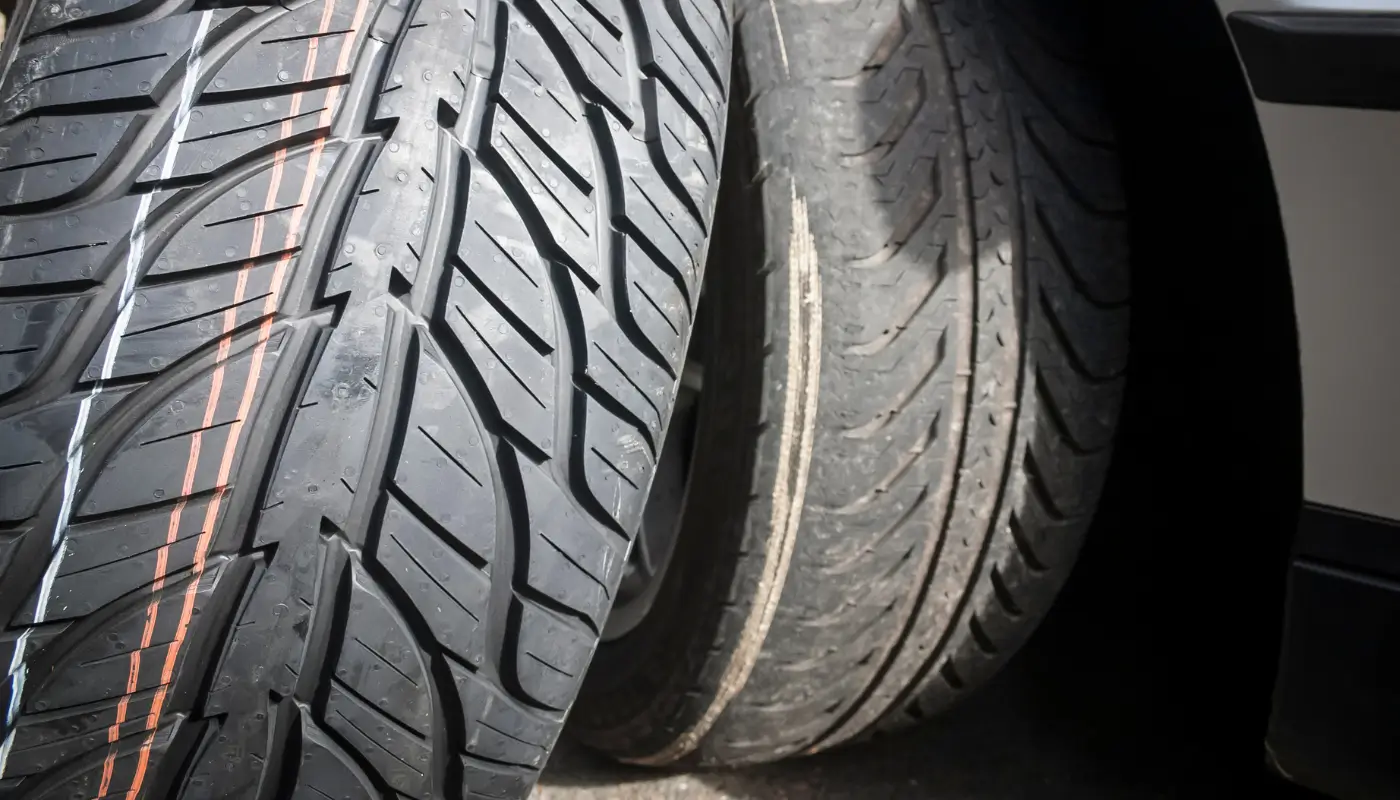
Keeping track of tire wear patterns helps determine preventive measures to avoid shortening tire useful life. Preventive maintenance must be on your fleet planning schedule and must be strictly carried out.
It is through this maintenance that tires will be checked and wear analysis carried out.
Tire rotation
Based on the previous two items, mainly wear history, tire positions should be changed. This makes it possible to prevent or correct irregular wear and excessive strain on tires.
This practice requires close and frequent monitoring. We recommend checking tires every seven days for another rotation. Labor-intensive? Yes. But worth the investment.
Tire retreading
The retreading process consists of adding a new layer of rubber to tires, renewing their tread. This makes it possible to extend a tire's time in use.
Generally, the same tire can undergo up to 3 retreads, avoiding the need to buy a new tire. However, whether retreading is possible and how many times will vary according to the tire's condition.
To undergo this type of procedure, the tire's structure must be preserved. Otherwise, companies providing retreading services may reject it for retreading.
This is why basic pressure inspection and tread depth measurement in millimeters are so important. Adopting a few basic practices ensures that the tire is used without damaging its structure.
Prolog App has an excellent solution to make your tire management faster and more efficient. With our inspection kit, you take less than half the time you would traditionally.
Curious about how it works? Talk to one of our specialists and learn more about Prolog Tire Management.
Frequently asked questions
My tires are not lasting as long as they should. What should I investigate first?
How often should I check tires for rotation?
How many times can a tire be retreaded?
What costs make up transport operations besides fuel?
How does tire management reduce fuel expenses?
// newsletter
Fleet management content, straight to your inbox
Articles on tires, maintenance and fleet operations. No spam.