Transport fleets: types and efficient management
 Jade Zart 5 min read
Transport fleets are groups of vehicles used by companies to transport goods or people efficiently and in an organized way.
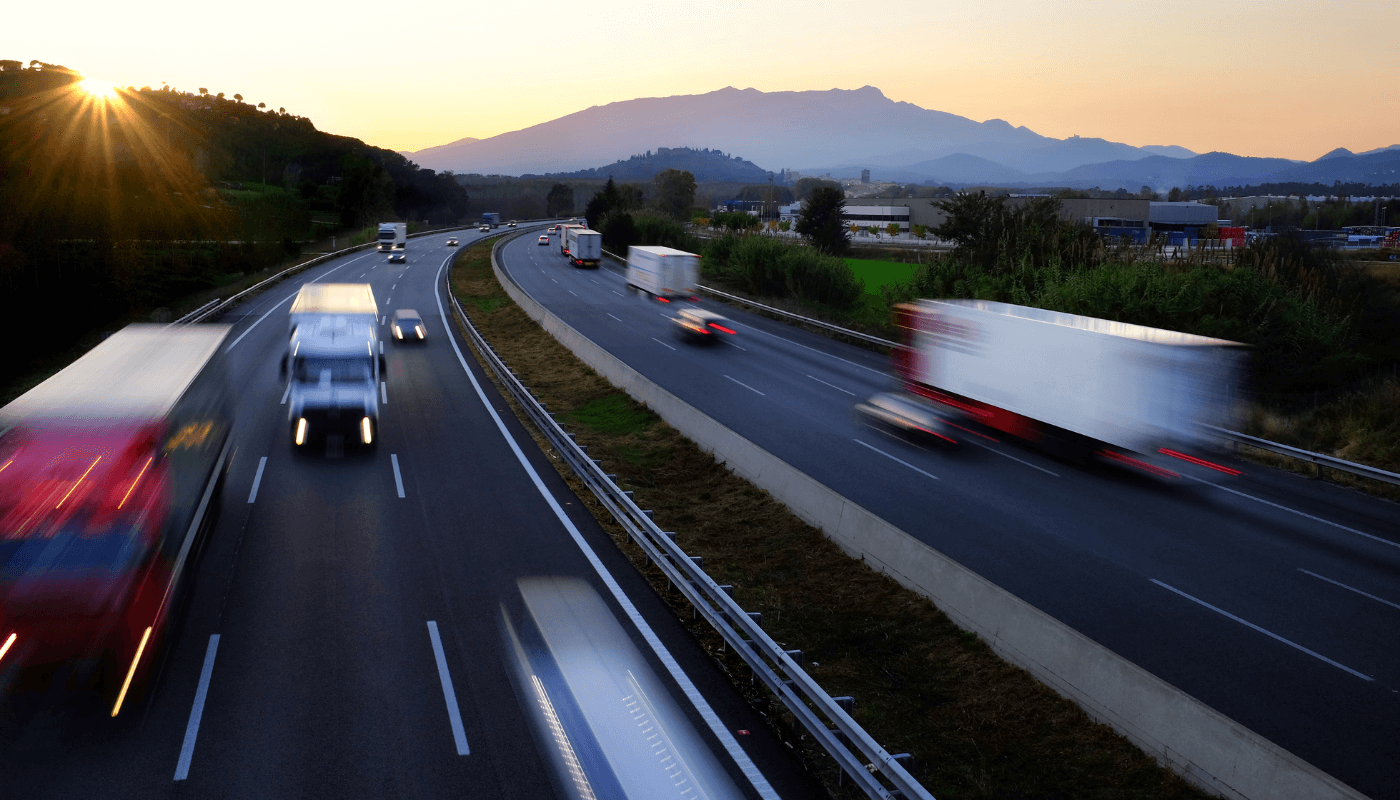
In Brazil, road freight transport predominates, moving around 65% of everything produced in the country.
Transport companies, manufacturers and service organizations depend directly on the efficiency of their fleets. Fleet and transport management therefore involves vehicle administration, maintenance, cost control, operational safety and consistent decisions on use and replacement.
Take a look below:
- What transport fleets are
- When vehicles are considered a fleet
- What types of fleets exist
- How to manage transport fleets
What are transport fleets?
Transport fleets are groups of vehicles used by companies to move goods or people according to their operational activities.
These vehicles may vary according to the type of business or industry the company operates in, ranging from heavy trucks and semi-trailers to light vehicles such as vans or utility vehicles.
For road freight transport companies, the fleet is a fundamental asset. Without it, the company cannot operate, since it depends on the mobility of these vehicles to take products from point A to point B.
But beyond being a means of moving things, fleets are also among the operation's largest cost centers. They therefore require ongoing attention to maintenance, fuel, tires, vehicle availability, documentation, safety and logistics.
When are vehicles considered a fleet?
Many people ask: when does a group of vehicles become a fleet? The definition may vary by industry or country, but in general a fleet is a group of two or more vehicles under the responsibility of a company or organization.
This means that both large companies with hundreds of vehicles and small companies with just two or three vehicles can be considered fleet owners.
The main point is that the company must manage these vehicles in a coordinated way, making strategic decisions on their use, maintenance, replacement and availability for operations.
And when the number of vehicles reaches a point where manual management becomes unfeasible, fleet management tools and processes must be adopted to optimize operations, such as electronic checklists, maintenance control, tire records, performance indicators and standardized routines for keeping track of operations.
What types of fleets exist?
There are different types of transport fleets, depending on the type of operation the company carries out. Among the main types, we can highlight:
- Heavy freight fleet
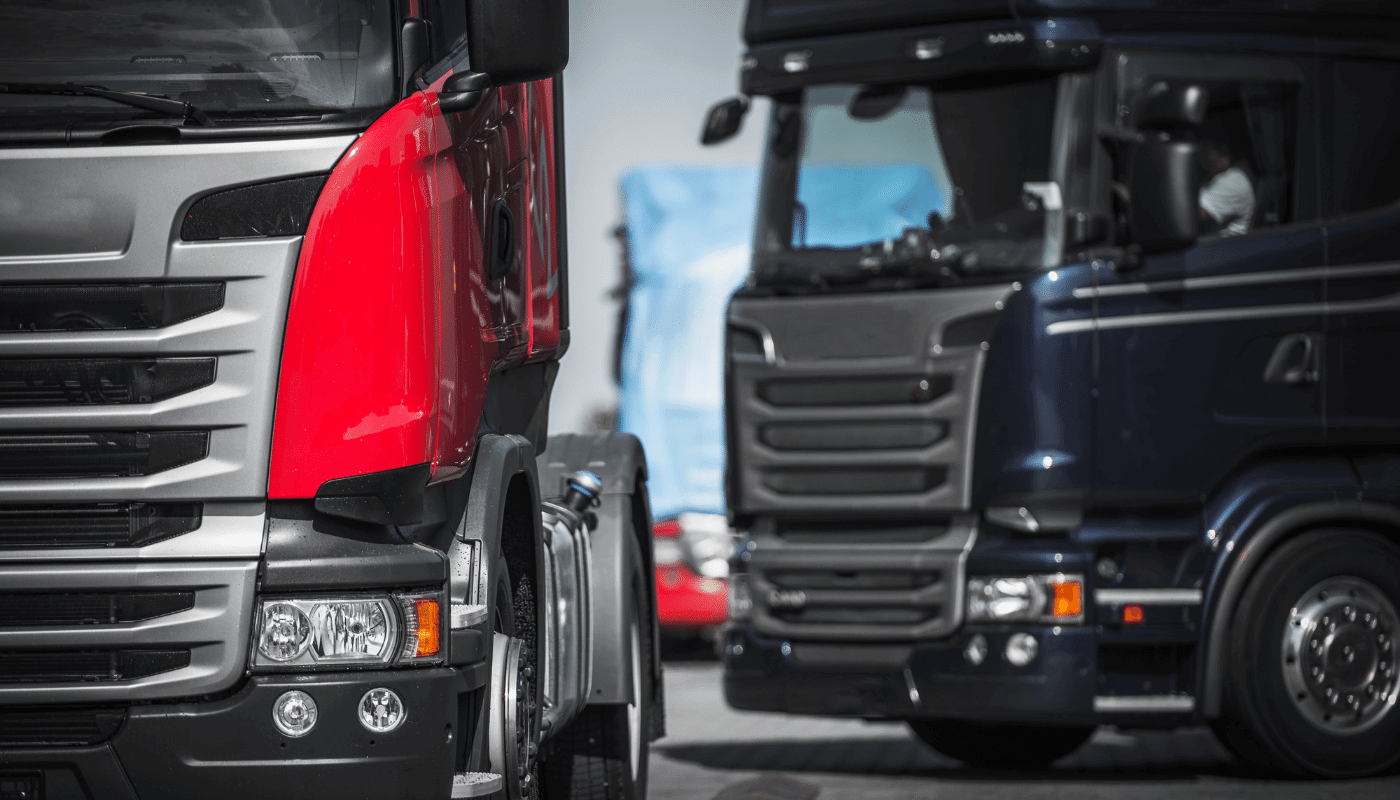
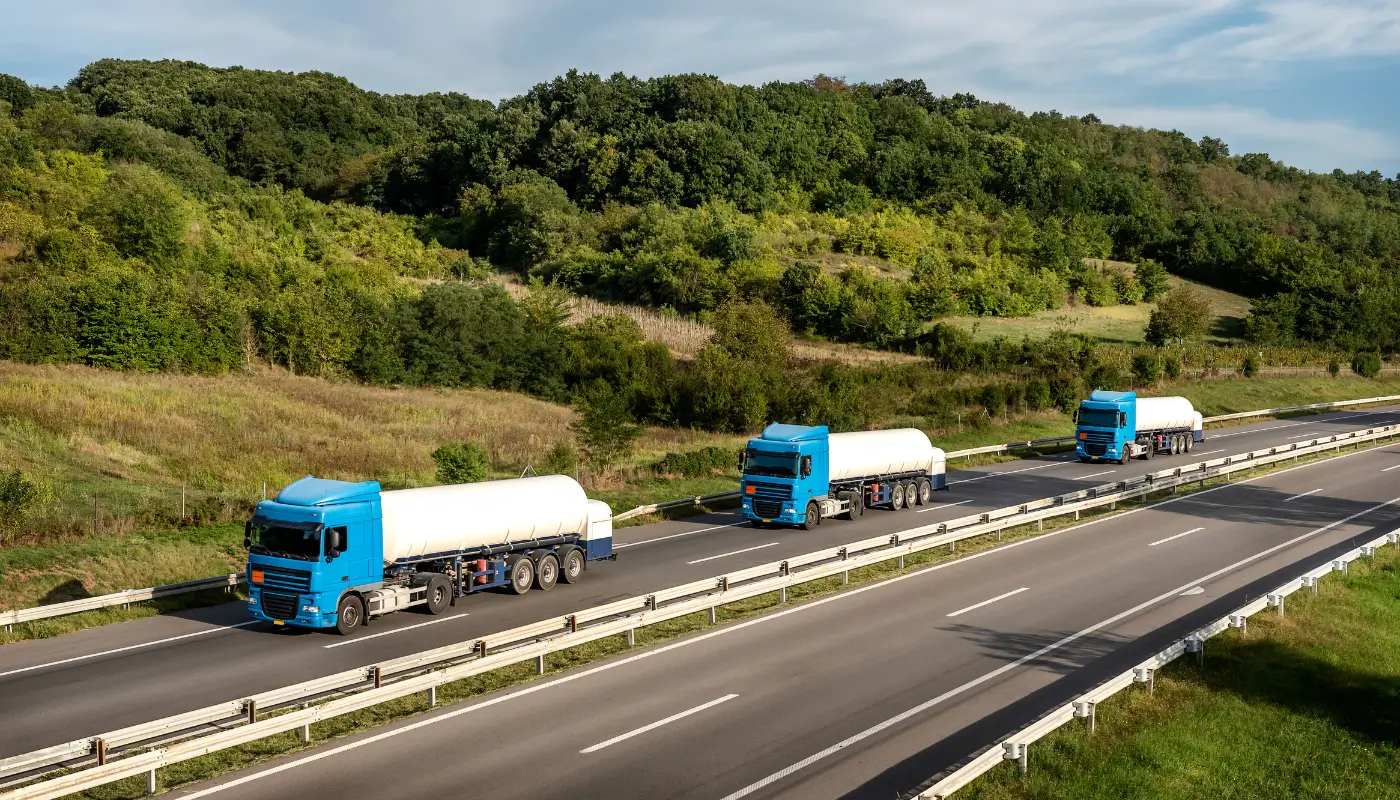
Used by road freight transport companies, these fleets consist of trucks and semi-trailers responsible for transporting large volumes of goods over long distances.
This fleet type is essential to commerce and industry, which depend on road logistics for product distribution and need to keep vehicles available, serviced and in suitable condition to meet deadlines.
- Passenger transport fleet
Consisting of buses and vans that provide both public and private mass passenger transport. This fleet type is extremely important for urban mobility, especially in large cities.
- Urban delivery and distribution fleet
Light vehicles such as utility vehicles and vans are used for quick deliveries and goods distribution in urban areas. With the growth of e-commerce, this fleet type has been expanding rapidly.
- Corporate fleet
Companies that provide vehicles to employees as part of their benefits make up this fleet type. These vehicles are used for work-related activities and also require clear rules on use, maintenance and return.
- Service fleet
Companies offering maintenance, repairs or other technical services often use fleets of light and utility vehicles to move teams and equipment to customers.
How do you manage transport fleets?
Managing a fleet requires a strategic approach, with detailed planning, clear processes and technology to organize operations. Here are the main factors a fleet manager should keep track of:
Preventive and corrective maintenance
Keeping fleet vehicles in good condition is essential to avoid unexpected downtime and mechanical failures. Good management involves scheduling preventive maintenance, such as oil changes and system checks, as well as a rapid response with corrective maintenance, which should be performed whenever a problem is detected.
Maintenance management software can be a major advantage for this. In structured operations, preventive maintenance can be organized by mileage or schedule, with work orders opened when an inspection or reported issue indicates a need for intervention.
Operating cost control
Fuel consumption, especially in diesel-powered fleets, is one of managers' biggest concerns. In addition, spending on tires and maintenance can rise quickly if it is not closely controlled.
A good management system helps identify where the largest expenses are and allows available resources to be optimized, provided operational records are consistent and used in day-to-day decisions.
Vehicle and driver safety
Ensuring drivers follow safe practices and vehicles are always in good condition is crucial to avoiding accidents. Using electronic checklists, for example, can speed up vehicle checks before each trip, increasing operational safety.
Inspection checklists before working hours help confirm, through a check performed by a responsible person, whether basic vehicle items are fit for use. This routine also makes it easier to open work orders when a nonconformity is found.
Monitoring and telematics
Telematics and real-time tracking are technologies used in the industry to keep track of information such as speed, location and fuel consumption when a fleet has specific systems for that purpose.
This information can help managers make quick decisions and adjust routes or behaviors that may be harming fleet efficiency. At the same time, fleet management does not depend solely on this type of technology: manual inspections, workshop records, checklists and maintenance indicators are also important sources for controlling operations.
Tire management
Tire costs are also among the largest costs for transport fleets. Fleet administration systems for road freight transport, such as those offered by Prolog, make it possible to control each tire individually, with records of wear, retreading, life cycle and cost per tire from operations.
If you are looking for ways to improve your fleet management, it is important to invest in technological tools that organize processes, centralize inspection and maintenance data, and help keep track of indicators such as operational availability, MTBF, MTTR, the ratio of preventive to corrective maintenance and cost per kilometer.
Technology is transforming fleet management, allowing companies of all sizes to optimize operations and reduce costs.
To deepen your knowledge and learn more about fleet management best practices, download our free e-book (in Portuguese). Explore the detailed, strategic information to improve your fleet management even further.
Frequently asked questions
How many vehicles does a company need to have a fleet?
What are the main types of transport fleet?
What factors does a manager need to keep track of in fleet management?
Why is preventive maintenance important for a fleet?
How does tire management affect a transport fleet's costs?
// newsletter
Fleet management content, straight to your inbox
Articles on tires, maintenance and fleet operations. No spam.