Annual bus inspection: what is checked
 Luiz Felipe 6 min read

Annual bus inspection is part of passenger transport fleets' routines as a way to increase safety, keep documentation in order and ensure transport compliance.
As well as being a task the manager carries out internally, there is also inspection linked to the requirements of Brazil's National Land Transport Agency (ANTT). In Brazil, for vehicles used in interstate and international charter passenger road transport, the agency's rule provides for annual technical vehicle inspection of buses, with issuance of the Certificado de Segurança Veicular (CSV, vehicle safety certificate). Buses manufactured more than 15 years ago, in this context, must undergo inspection every six months.
Why inspect the fleet's buses?
Not only annual bus inspection, but regular inspections, whether daily, monthly or six-monthly, are important for greater fleet economy, safety and productivity.
Annual bus inspection, carried out using a complete checklist, helps identify problems that could lead to high maintenance costs, removal of the vehicle from service or irregularities in the documentation required to operate in certain services.
However, the benefits are more evident with daily bus checklists, which are usually shorter and more direct than annual inspection. In these checklists, the driver identifies defects in the vehicle's main components, such as the seat belt, fuel level and operation of headlights and position lights, among others. In Brazil, before putting the vehicle into service, the driver must also check that mandatory equipment is present and in good working order.
Here are the reasons to include regular and annual bus inspections in your fleet:
Avoid being surprised by maintenance problems
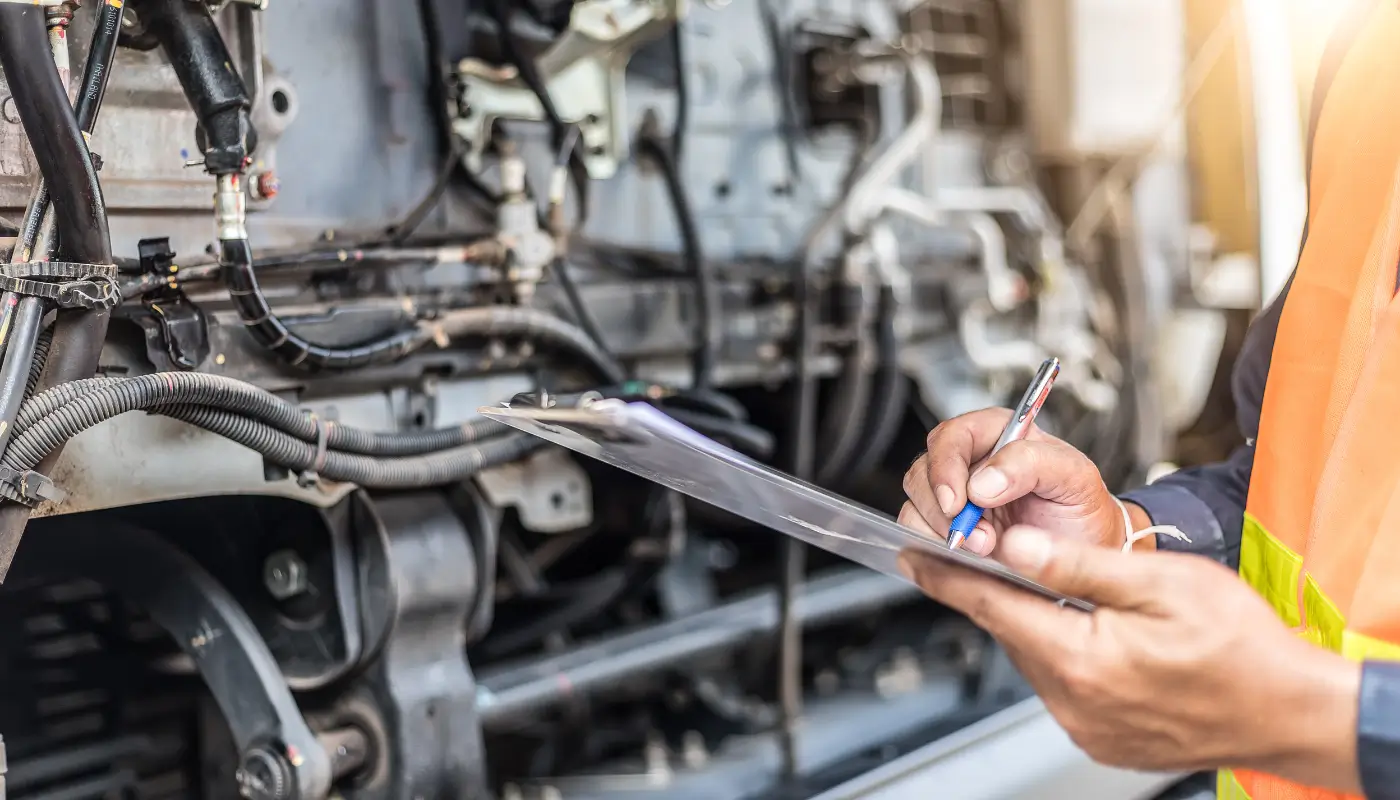
Inspection is a practice for checking how a vehicle is working. The driver or responsible team examines various aspects and components of the bus, looking for faults, wear, broken parts, leaks, expired items and other nonconformities.
Everything inspection identifies in advance tends to be easier to fix than an occasional—and common—breakdown in the middle of a route.
One reason inspection is so important in bus maintenance is precisely to prevent you from being surprised by a last-minute maintenance problem.
Reduce corrective maintenance
In this respect, inspections also help prevent frequent corrective maintenance.
Corrective maintenance takes place whenever a vehicle has already reached an advanced stage of failure, requiring it to stop for repairs at a specialized workshop.
If you are always keeping track of the vehicle's upkeep, you can schedule preventive services—far more practical and economical than corrective ones. In operations regulated by ANTT in Brazil, the company must also take care of the safety, cleanliness and comfort of the vehicles used, as well as being responsible for maintenance, upkeep and preservation of the fleet's technical characteristics.
Reduce fleet idle time
The less corrective maintenance there is, the less time a vehicle spends stopped for repairs, in other words, idle. That is why bus inspection is essential for a more active, productive fleet.
This routine also helps the manager organize the workshop queue and prioritize repairs before a small defect becomes a reason to take the bus out of service on a critical date.
Avoid financial losses
When corrective maintenance is reduced, its costs also tend to fall. After all, the budget for corrective services is usually higher than for preventive servicing.
In addition to the cost of parts and labor, the fleet also experiences indirect impacts: an idle vehicle, rescheduling shifts, trip delays and reduced operational predictability.
Extend buses' useful life
If you keep track of vehicle conditions regularly, you can anticipate problems and prevent important items from being replaced prematurely. This is something that could harm the asset's operation and performance and reduce its useful life.
This attention applies to everyday components, such as tires, lighting and brakes, as well as items requiring a more comprehensive assessment in the annual inspection.
Improve transport safety
Keeping track of bus condition is also important for calmer, more responsible transport, preventing accidents or breakdowns on the road that put passenger safety at risk.
In interstate and international passenger transport in Brazil, ANTT treats passenger safety as part of service compliance and continuity. Inspection should therefore be seen as part of operational risk management, as well as a documentation obligation.
Pass the ANTT inspection
One of the main reasons is to keep the vehicle compliant when it falls under ANTT requirements in Brazil. Technical vehicle inspection must check technical and safety conditions according to the ABNT NBR 14040 standard (ABNT is the Brazilian Association of Technical Standards), and the CSV is the certificate issued for a vehicle undergoing ANTT inspection.
In practice, for the regulated service in Brazil, documentation must be up to date: issuance of a trip license may be blocked when the required documentation is irregular. Treating annual inspection as part of the fleet calendar therefore helps avoid rushing, delays and the risk of operations stopping over outstanding documentation.
What is checked in an annual bus inspection?
The main items checked in an annual bus inspection are:
- Engine: you need to establish whether it is working correctly, without overheating or leaks.
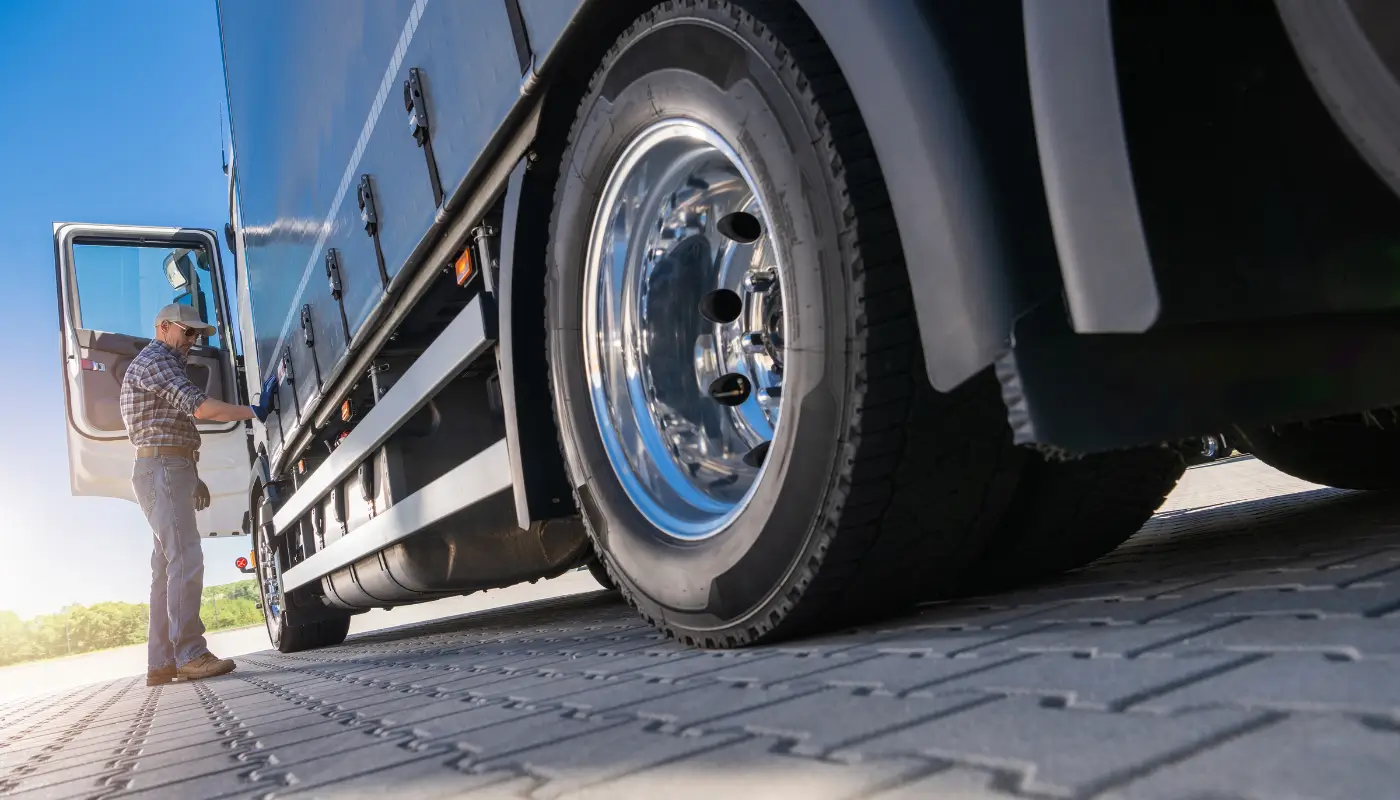
- Tires: tires are essential transport components and cannot be worn, bald or underinflated. Inspecting them is therefore as important as inspecting any other vehicle component.
- Bulbs: it is important to check that all lights are working normally, especially headlights, position lights, brake lights and direction indicators.
- Electronic systems and modules: where applicable to the bus model, the team should check alerts, settings and electronic components related to vehicle operation, avoiding incorrect readings and faults that harm the operation.
- Cleanliness: cleaning the bus, both inside and outside, is essential for passenger transport and is part of the care for safety, cleanliness and comfort required in regulated operations in Brazil.
- Documentation: annual transport compliance inspections and fleet inspections in Brazil always check whether vehicle documents are up to date or whether documentation payments are outstanding.
How can you prepare for an annual bus inspection?
Your preparation can be summed up as care routines and attention to fleet maintenance, including two main stages:
Create a preventive maintenance plan for buses
Your plan should already include daily bus inspections as well as the others (monthly, six-monthly and annual). For buses covered by the ANTT rule in Brazil mentioned above, it is also worth separating intervals according to vehicle age: annual inspection for the other vehicles and six-monthly inspection for buses manufactured more than 15 years ago.
This schedule helps you carry out inspection checklists consistently and identify problems that help schedule the necessary services in advance.
Practicing planned maintenance in your fleet is the best way to enjoy all the benefits mentioned above, reduce improvisation and reach the annual inspection with a history of care, tracked outstanding issues and organized documentation.
Have checklist templates ready to use
Carrying out a checklist is much more practical and faster when the template is ready and available for use.
Your role is therefore to organize and create all necessary checklists before they are needed. That way, when the scheduled date arrives, the driver can carry out the inspection without problems or delays.
It is also worth adapting the template to the bus type, the operation and the items the team needs to check more closely. This keeps the daily inspection concise, while the annual inspection brings together a broader assessment to support maintenance, safety and fleet compliance.
See a checklist template you can start using immediately—download it for free (in Portuguese).
Frequently asked questions
Is annual bus inspection mandatory?
What is checked in an annual bus inspection?
What is the difference between the daily checklist and the annual inspection?
How can you prepare for the annual inspection?
What benefits does regular inspection bring to a bus fleet?
// newsletter
Fleet management content, straight to your inbox
Articles on tires, maintenance and fleet operations. No spam.