Eco-fleet: what it is, benefits and how to build yours
 Jade Zart 5 min read
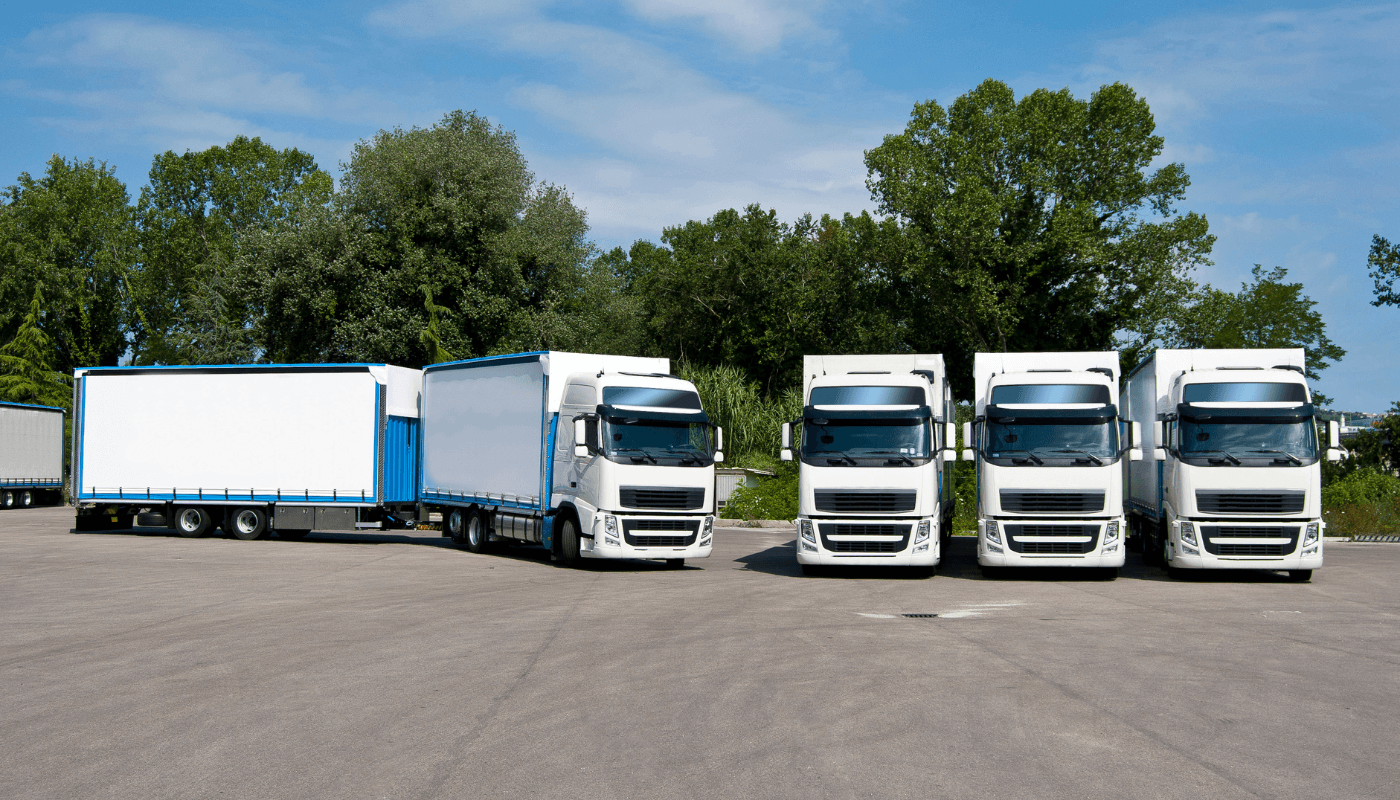
An eco-fleet is a vehicle fleet that prioritizes sustainability, both through less polluting vehicles and through actions that reduce environmental impact.
This is an important topic in transport and even one of the logistics trends. This is due to this market sector's major impact — from gas emissions to the use of natural resources for fuel production.
With so much debate about the types of actions needed to achieve sustainability, eco-fleets are being considered a strong alternative, especially in medium-sized to large companies.
Below, learn more about:
What is an eco-fleet?
Also known as an ecological fleet, it is a fleet whose practices are adapted to be considered sustainable actions.
It is a concept connected with ESG — a term focused on actions to develop and improve a society's environmental, social and governmental aspects.
One possible eco-fleet action, for example, is acquiring modern vehicles with lower environmental impact, whether more energy-efficient, hybrid, electric or powered by less polluting alternatives. Fully electric vehicles, for example, produce no direct emissions during operation.
Another possibility is implementing management systems that simplify and automate some administrative activities, reduce manual effort and lower susceptibility to human errors.
Any type of action with the potential to improve processes and reduce negative impacts on ESG pillars can also be considered when building an eco-fleet.
Why does an eco-fleet matter, and what is its goal?
The main goal is to reduce environmental impacts, but an eco-fleet also seeks activities that contribute both to nature and to the company.
After all, a fleet is responsible for deliveries, freight transport and the transport of goods and passengers, and may include cars, motorcycles, trucks, buses and even taxis.
Each fleet and vehicle type has different challenges to face, and you should assess how to apply the most suitable actions in your management. However, all of them can bring benefits to the company, including:
Market credibility and recognition
When sustainable actions are practiced in the fleet, it stands out to customers seeking companies with purpose. In addition, since this is a prominent topic, taking these actions can generate positive media coverage.
Lower financial costs
If you take an action such as acquiring more modern, less polluting vehicles, there will be a high initial cost. However, in the long term, they tend to be more efficient and economical assets, creating opportunities to reduce fuel and maintenance costs.
This also includes simple operational measures, such as reducing unnecessary idling time, since idling wastes fuel and increases engine wear.
Reduced errors
The idea of a more sustainable fleet is also linked to greater use of technology in the operation's routine, such as an electronic checklist to reduce paper consumption. This means fewer manual tasks and greater activity standardization.
In other words, fewer human errors occur.
Better vehicle and tire durability
When applying technologies that speed up and simplify fleet control in various areas and stages, vehicle and tire maintenance is one of them. Systems thus generate more information and data so reports and analyses are more precise for fleet decision-making.
This is directly linked to care of fleet assets, bringing benefits in durability and even better preservation of vehicles and tires. Correctly inflated tires, for example, last longer, improve fuel economy and are safer.
How do you create and manage an eco-fleet?
Establish goals
The best way to achieve good fleet management results is by establishing a purpose for your actions through goals, objectives and achievements.
For example, setting a deadline and a number of vehicles to be replaced with more sustainable models.
Reducing maintenance costs is another example of a relevant goal, because increased vehicle maintenance frequency may be directly related to increased pollutant gas emissions, leaks or other issues negatively affecting the environment.
Just remember to set target values and dates for each goal. For example:
- Replace 5 vehicles with a more sustainable model by the end of the next planning cycle.
- Reduce fleet maintenance costs by 8% by the end of the next management period.
Adapt fleet routines and actions
The most practical way to understand which types of actions to start implementing in your fleet is to identify which activities generate the greatest impacts and go against eco-fleet guidelines.
After carrying out this survey of your transport operations, you can also list how these actions can be adapted and what is needed to make them happen.
Some ideas for sustainable actions that help develop an eco-fleet are:
- Keep track of vehicle fuel consumption;
- Assess monthly tire losses and reasons for disposal;
- Properly dispose of packaging and lubricant and oil waste;
- Plan more efficient routes to reduce kilometers driven, stops, time in traffic and the number of vehicles needed for certain operations;
- Reduce idling time whenever the operation allows.
Raise employee awareness
All employees should be aware of the company's effort to become more sustainable and have an eco-fleet. This can happen through training and a new fleet policy.
Everyone should also understand their role and responsibility. Drivers should maintain defensive driving practices, mechanics should take care with leaks and product disposal, and so on. Driver training programs can help fleets save fuel and money, as well as improve air quality.
Assess fuel types
Today, various fuel types can be used: gasoline, alcohol fuel, diesel, ethanol, biodiesel, among others. There is also the option of electric vehicles and other lower-emission alternatives.
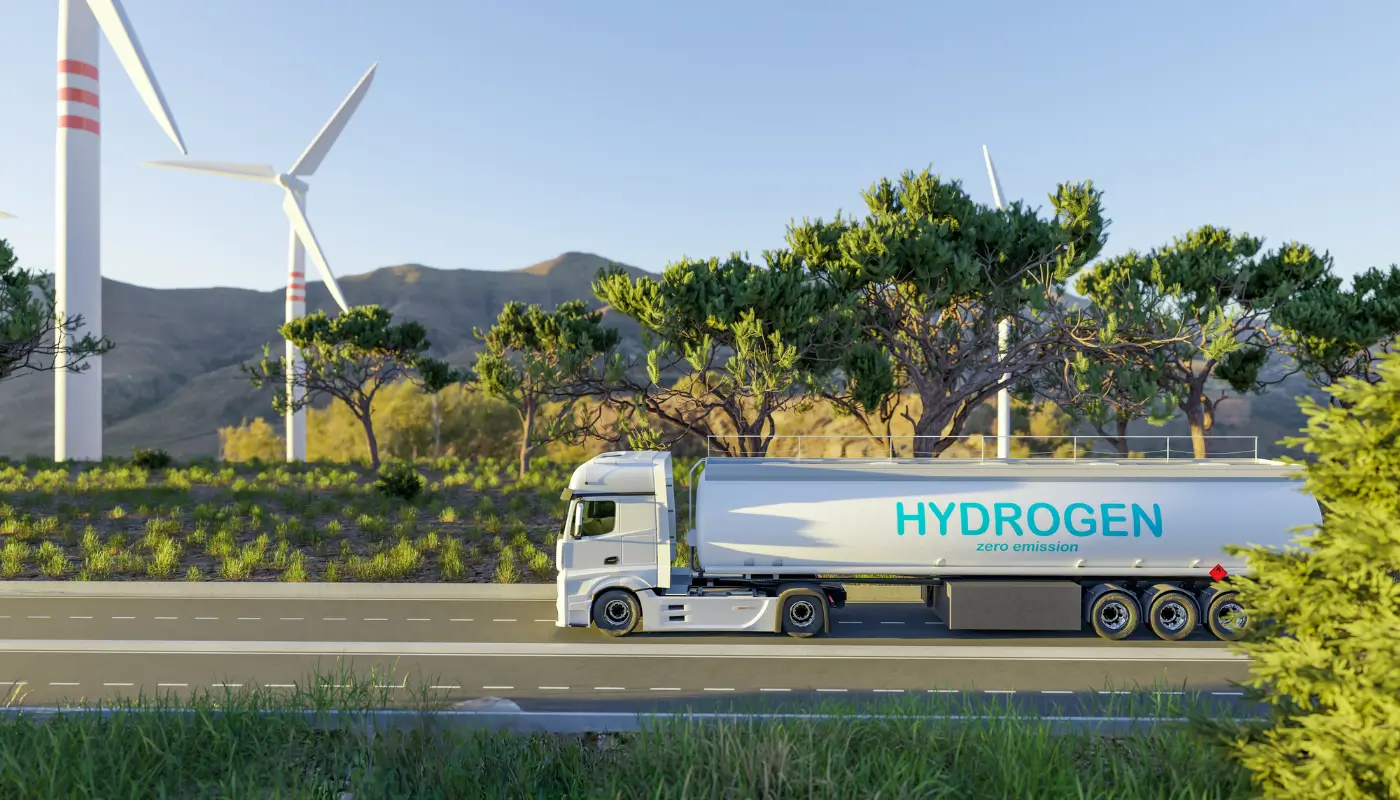
Some models are hybrids, making it possible to use two fuel types, such as diesel and gas, or one fuel type and electric power. In general, green vehicles seek to be more efficient and less polluting; when operating exclusively on electricity or hydrogen, they release no harmful greenhouse gas emissions from the vehicle's exhaust.
To know which type is most sustainable and best suited to your fleet's needs, assess benefits, availability, refueling or recharging costs, infrastructure and ease of access to the selected type.
Practice sustainable maintenance
Maintenance is a very important part of sustainability in transport. It includes the main vehicle-related actions that can give your fleet better upkeep and lower environmental impact.
That is why thinking about a sustainable maintenance routine has become fundamental in logistics and transport companies.
Other tips on organizing and optimizing your fleet management can be found in a complete, free resource we prepared. Take a look and download it (in Portuguese).
Frequently asked questions
What is an eco-fleet?
What is an ecological fleet's goal?
What benefits does an eco-fleet bring to a company?
How do you start building an eco-fleet?
Which sustainable actions can I apply in the fleet's routine?
Which fuel should you choose for a more sustainable fleet?
// newsletter
Fleet management content, straight to your inbox
Articles on tires, maintenance and fleet operations. No spam.