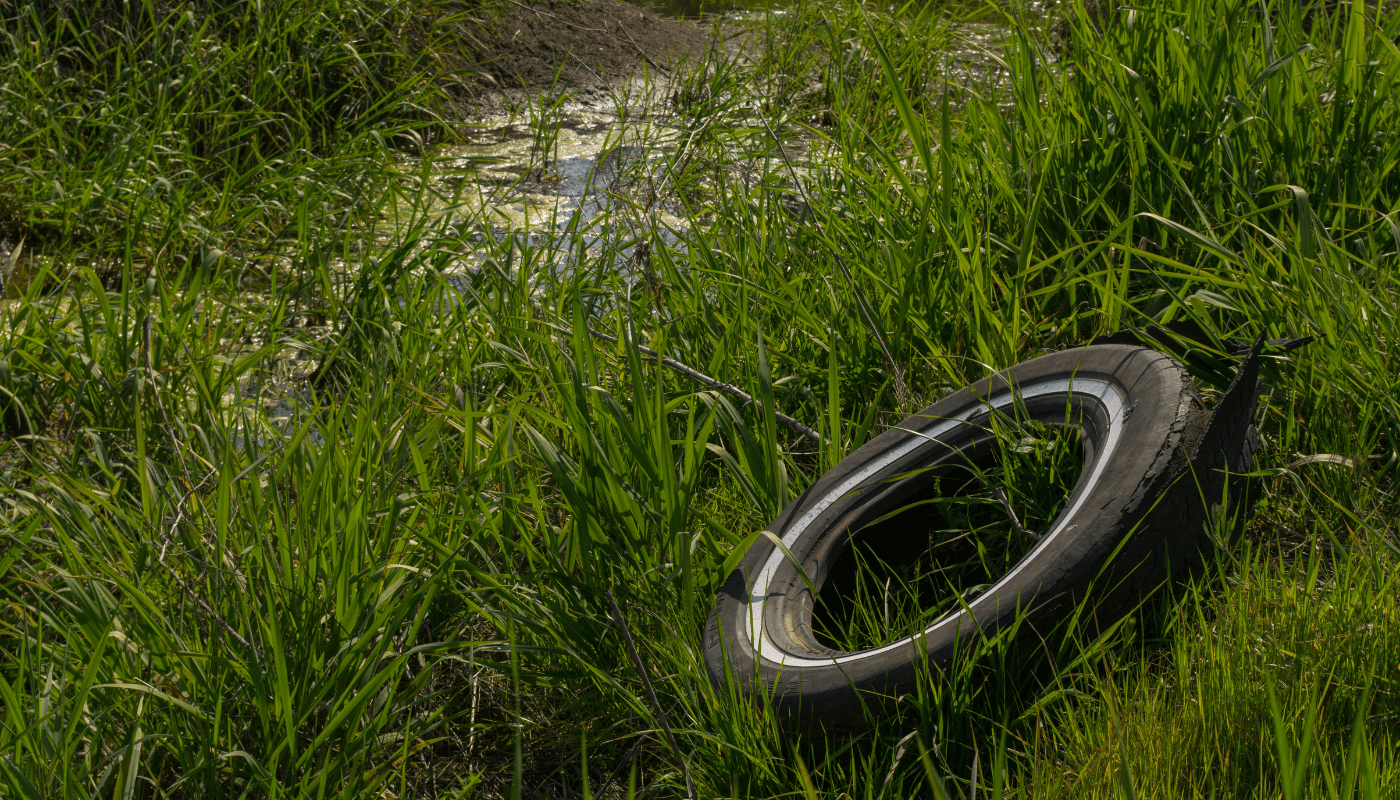
Sustainable fleet maintenance practices
 Jade Zart 7 min read
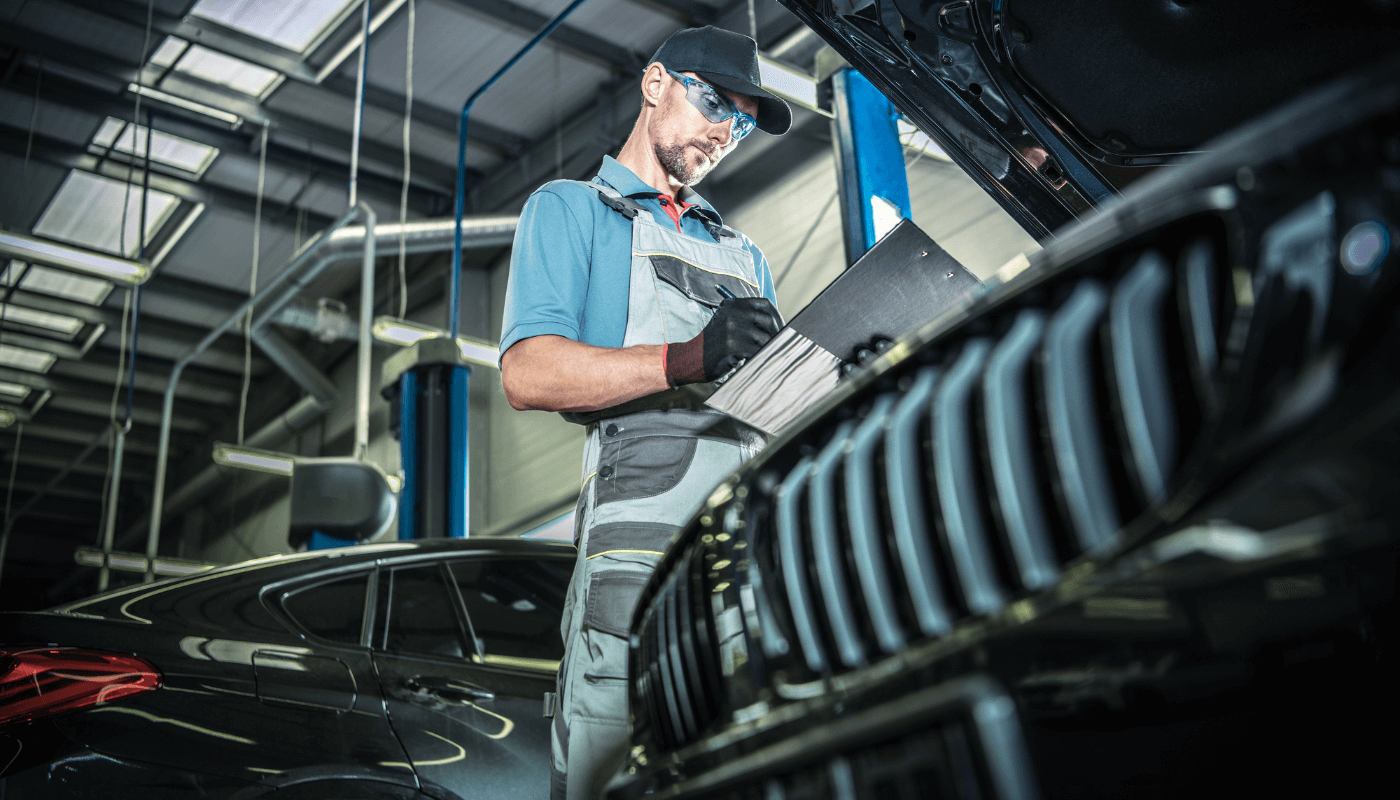
Sustainable maintenance is more than a method to reduce wasted supplies and the release of gases into the atmosphere.
In fact, applying this type of practice is a logistics trend (in Portuguese) that contributes to company recognition on various levels.
This helps the company be seen as a transport business concerned about environmental issues, winning new customers and business partners, as well as reduce operating costs and increase asset durability. Read on:
- What sustainable maintenance is;
- How to apply sustainable maintenance to the fleet;
- Other sustainable practices to apply to fleet management.
What is sustainable maintenance
Briefly, sustainable maintenance is the set of fleet maintenance practices carried out without harming the environment.
But before discussing this maintenance strategy further, we need to define sustainability. It represents a way of life (and of managing businesses) that aims to reduce environmental impacts and resource exploitation.
The concept of sustainable maintenance is therefore directly linked to ESG strategy (in Portuguese) — an acronym for “Environmental, Social and Governance” — and the objective is to eliminate waste and reduce atmospheric pollution through sustainable practices in each of the three areas.
It is worth noting an important distinction before continuing: in Brazil, some of what is usually treated as environmental goodwill in fleet maintenance is a regulatory obligation. Used tires and lubricating oils, for example, are listed as products subject to reverse logistics under Law No. 12.305/2010, the National Solid Waste Policy (article 33, items III and IV), and §4 of the same article requires that “consumers shall return these products after use to retailers or distributors”. In the maintenance chain, the fleet operator is that consumer.
In the transport and logistics sector, maintenance is a mandatory task. In other words, it cannot be skipped. So the best managers can do is seek ways to optimize the routine to avoid environmental harm.
Sustainable maintenance practices bring benefits such as:
- Reduced fleet asset losses;
- Reduced fuel consumption;
- Greater productivity without consuming more energy;
- Increased tire and vehicle durability.
How can sustainable maintenance be applied to the fleet?
1 – Choose more economical vehicles
Fleet vehicles that have been in use for some time should be assessed for fleet renewal. Especially if they are frequently undergoing maintenance.
Generally, at this point, their efficiency is already impaired and fuel spending is higher — when the engine needs to work harder to get the vehicle up to speed.
Burning fuel emits gases harmful to the environment. Therefore, choose to invest in sustainable transport, with longer component useful life and less spending on unplanned corrective work.
It is worth remembering that this assessment depends less on vehicle age and more on what the operation has recorded about it: accumulated maintenance cost and consumption per vehicle make it possible to compare keeping and renewing.
2 – Include prevention in the fleet routine
Preventive maintenance is the best option for extending your vehicles' durability while generating the lowest possible spending. It involves daily fleet inspections and service analysis to understand vehicle performance.
Prevention helps save money and improve operational performance, bringing sustainable maintenance to the fleet.
The environmental effect here is indirect: a component that lasts longer is one that did not need to be manufactured, transported and discarded prematurely.
3 – Learn how to dispose of parts correctly
As preventive and corrective services are performed, worn or broken parts are removed from the vehicle. In most cases, they cannot be discarded with ordinary waste.
Therefore, to follow sustainable maintenance guidelines, you should know the appropriate disposal method for each part and for tires too. You can also form some partnerships with companies specializing in vehicle item disposal.
For tires in Brazil, the route is set out in a regulation. CONAMA (Brazil's National Environment Council) Resolution No. 416/2009 requires manufacturers and importers of new tires weighing more than 2.0 kg each to collect and properly dispose of unusable tires, and provides for distributors, dealers, disposal operators, tire end consumers and public authorities to implement collection procedures in coordination with them (article 1, main provision and §1). For those replacing tires, the most practical provision is article 9: tire retailers “are required, when replacing a used tire with a new or refurbished tire, to receive and temporarily store used tires handed over by consumers, without any charge to them”.
The same resolution prohibits final tire disposal in the environment, “such as abandonment or dumping in bodies of water, vacant or waterlogged land, disposal in sanitary landfills and open-air burning” (article 15). It also requires temporary storage to ensure the conditions needed to prevent environmental and public health harm, stating that “outdoor tire storage is prohibited” (article 10 and its sole paragraph). In the fleet routine, this translates into concrete decisions: where casings stay until collection, for how long and who controls their departure. If the operation also keeps track of casings' end of life, it is worth checking what changes in tire disposal.
4 – Dispose of liquid waste
This waste includes lubricating oil, for example, which is highly polluting. In Brazil, its destination is not the operation's choice: it is defined in CONAMA Resolution No. 362/2005, which prohibits “any disposal of used or contaminated oils in soil, subsoil, inland waters, territorial seas, the exclusive economic zone and sewage or wastewater drainage systems” (article 12) and requires all collected used or contaminated oil to be recycled through re-refining (article 3) — allowing another technology with proven equivalent or superior environmental effectiveness at the competent environmental authority's discretion.
The regulation also lists the duties of the waste generator, a role filled by the fleet workshop. Article 18 requires oil to be collected safely in suitable, leak-resistant containers; measures to prevent mixing it with chemicals, fuels, solvents, water and other substances that would make recycling unfeasible; transfer of oil exclusively to a collection point or authorized collector, requiring presentation of authorizations and issuance of the relevant Collection Certificate; and retention of these documents for five years for inspection purposes. For fleets, §1 of the same article adds that used oils “from automotive fleets should preferably be collected at dealers' premises”. If the oil change takes place at the fleet's own base, this chain needs to be in place before the first full drum.
5 – Apply ESG strategy to your fleet planning
ESG strategy includes sustainable practices and resources within the company. These actions are ways to make fleet maintenance a more sustainable activity too.
Some of these actions are:
| Environmental | Social | Governance |
| Fuel control | Investment in technology | Establishing a fleet policy |
| Correct tire disposal | Risk management plan | Developing company cultures |
| Defensive driving training | Control of drivers' working hours | Traffic fine management |
Examples of ESG practices in fleet management.
Notice that much of what supports this environmental column is already documentation required by Brazilian regulation — the oil Collection Certificate, retained for five years, is the most direct example. It makes ESG policy demonstrable to a customer, an auditor or in a tender.
Tips for including sustainable practices in fleet management
Beyond sustainable maintenance, other fleet management areas can become more environmentally friendly. Here are some tips on where to start:
Plan and set goals
Before starting to apply actions in your fleet or even changing routine processes, define exactly what these activities will be and how they should happen going forward. You need to understand why the action will happen, what motivated it and the expected results.
By thinking about the goals you want to achieve, all employees can see the importance of their actions and know how to contribute to successful management.
Train the team
Whether drivers or mechanics, everyone should receive training appropriate to their roles.
Drivers should know how to use the vehicle inspection checklist and how their notes contribute to vehicles operating properly without generating waste.
For the workshop team, training has an additional focus stemming from the waste generator's own obligations: separating what cannot be mixed, using the correct containers and retaining collection receipts.
Learn about the best fuel types
Each vehicle runs on a fuel type, whether gasoline, ethanol or diesel; all options have more sustainable alternatives. You should know what they are and how to start using them in your operation.
Part of this transition already reaches the fleet through refueling itself: diesel sold in Brazil carries a mandatory biodiesel blend, whose percentage is defined by the National Energy Policy Council (CNPE) and periodically reviewed. According to the National Agency of Petroleum, Natural Gas and Biofuels (ANP), the content became 15% from August 1, 2025, under CNPE Resolution No. 9/2025 — before that, it was 14%, since March 2024.
When assessing fleet renewal, look for vehicles that accept and perform better with less-polluting fuels.
For your company to be increasingly recognized for implementing sustainable methods in operations, also read our post about sustainable fleet actions.
Frequently asked questions
What is sustainable fleet maintenance?
How should used fleet tires be disposed of correctly?
What should be done with used lubricating oil from the workshop?
Which sustainable practices can be applied to fleet management?
What is the biodiesel percentage in diesel sold in Brazil?
// newsletter
Fleet management content, straight to your inbox
Articles on tires, maintenance and fleet operations. No spam.