Fleet management in mining: indicators and care
 Jade Zart 5 min read
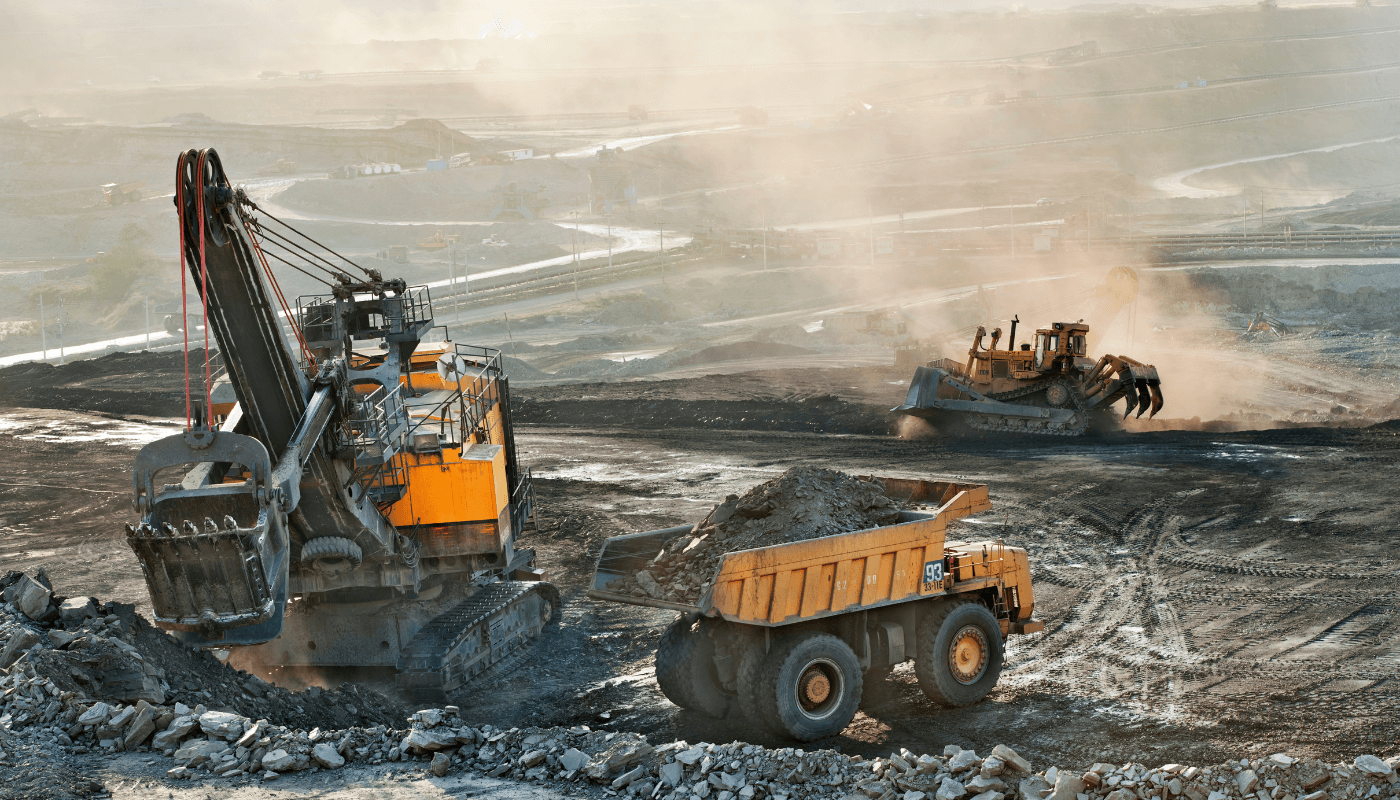
Fleet management in mining is a crucial factor in determining the success of an operation and the company as a whole.
Mining companies operate in a challenging environment that has considerable impacts on the vehicles used. Establishing specific routines and care for them is therefore essential.
It is also essential to have a dedicated professional attentive to environmental legislation compliance needs, as this legislation is particularly strict in this industry.
There is no doubt that fleet management in mining delivers improvements and increases the durability of vehicles in your operations. Learn how this happens below:
- How fleet management in mining works;
- The importance of fleet management in mining;
- Strategies to assess and improve fleet management in mining.
What is fleet management in mining and how does it work?
Fleet management involves identifying and supervising activities and processes aimed at efficient administration of operational vehicles. In the mining industry, it becomes a set of essential strategies to avoid vehicle wear when facing challenging environments day after day.
It works by organizing, recording and delegating every stage related to vehicle care and use, from acquisition to maintenance and disposal.
This means that, besides daily operations, strategic actions must also be planned to avoid declines in the productivity, efficiency and safety of mining operations.
In an environment as demanding as this industry, fleet management is used as a pillar to sustain the company's ongoing performance.
The importance of fleet management in mining
Ensuring vehicle availability
Vehicle availability is one of the main goals of fleet management. This is when vehicles are fit to perform their functions without unexpected mechanical issues.
Achieving this goal requires maintenance management, a complementary area that stems from fleet management in mining.
It defines the maintenance routine and which tools are used to inspect and keep the vehicle in its best condition.
Extending vehicle useful life
Besides ensuring greater vehicle availability by avoiding unexpected mechanical failures, good fleet management in mining can lead to better use of vehicle useful life.
Vehicles will thus have a more comprehensive routine of closer inspection of their components and wear, preventing them from reaching advanced stages of depreciation and needing major corrective maintenance services.
Avoiding excess vehicles in an operation
One activity you should carry out in your management is mining fleet sizing. Determining how many vehicles are needed to meet operational demand and identifying any idle capacity is an essential part of your management.
Fleet sizing also involves planning the number of vehicles for each specific stage, avoiding excess and maximizing operational efficiency.
This is one of the reasons fleet management in mining is so important.
Increasing safety in fleet operations
When vehicle care is up to date, you are already halfway toward safety in transport and mining operations. Other areas of fleet management then complement this to ensure full safety:
- Tire management: keeps tires fit for use, without wear or other irregularities that could compromise transport safety.
- Driver management: ensures all drivers are aware of their responsibilities, as well as controlling each driver's behavior in traffic to prevent dangerous actions.
- Document and legal management: prevents drivers from traveling with irregular or expired documents, or even performing an operation without carrying a mandatory document. This is also the stage at which you should recognize and understand which legal requirements apply to your company, since mining fleets need to comply with requirements related to the environmental impacts they may cause.
Keeping productivity high
Both greater vehicle availability and better sizing for vehicle use ultimately optimize productivity in your operations.
In addition, organizing and executing your fleet management plan will give you control over activities and generate data that will contribute to analyzing results and making better-informed decisions.
Indicators to assess and improve fleet management in mining
Vehicle availability
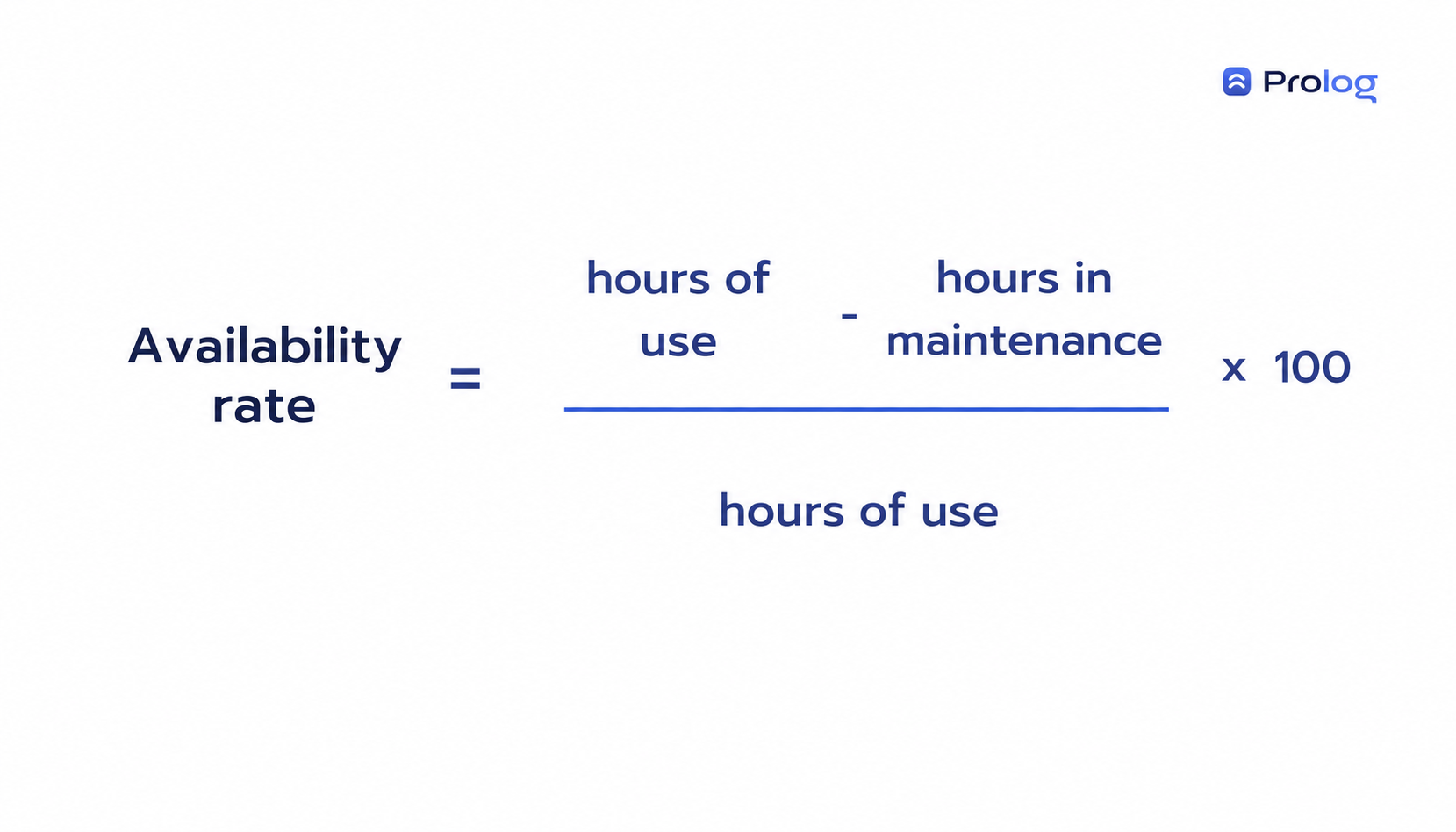
Availability represents how much of the time a vehicle was available and legally cleared for use in fleet operations. It is an indicator measured as a percentage and helps you understand whether your fleet's vehicles are being put to good use.
The higher the availability rate, the more reliable your operation, ensuring vehicles are fit to perform their functions most of the time.
If you notice declines or have a rate below the desired level, this can help identify bottlenecks in maintenance management, allowing the department's activities to be adjusted to improve this rate.
Availability can be measured with the following calculation:
Vehicle utilization time
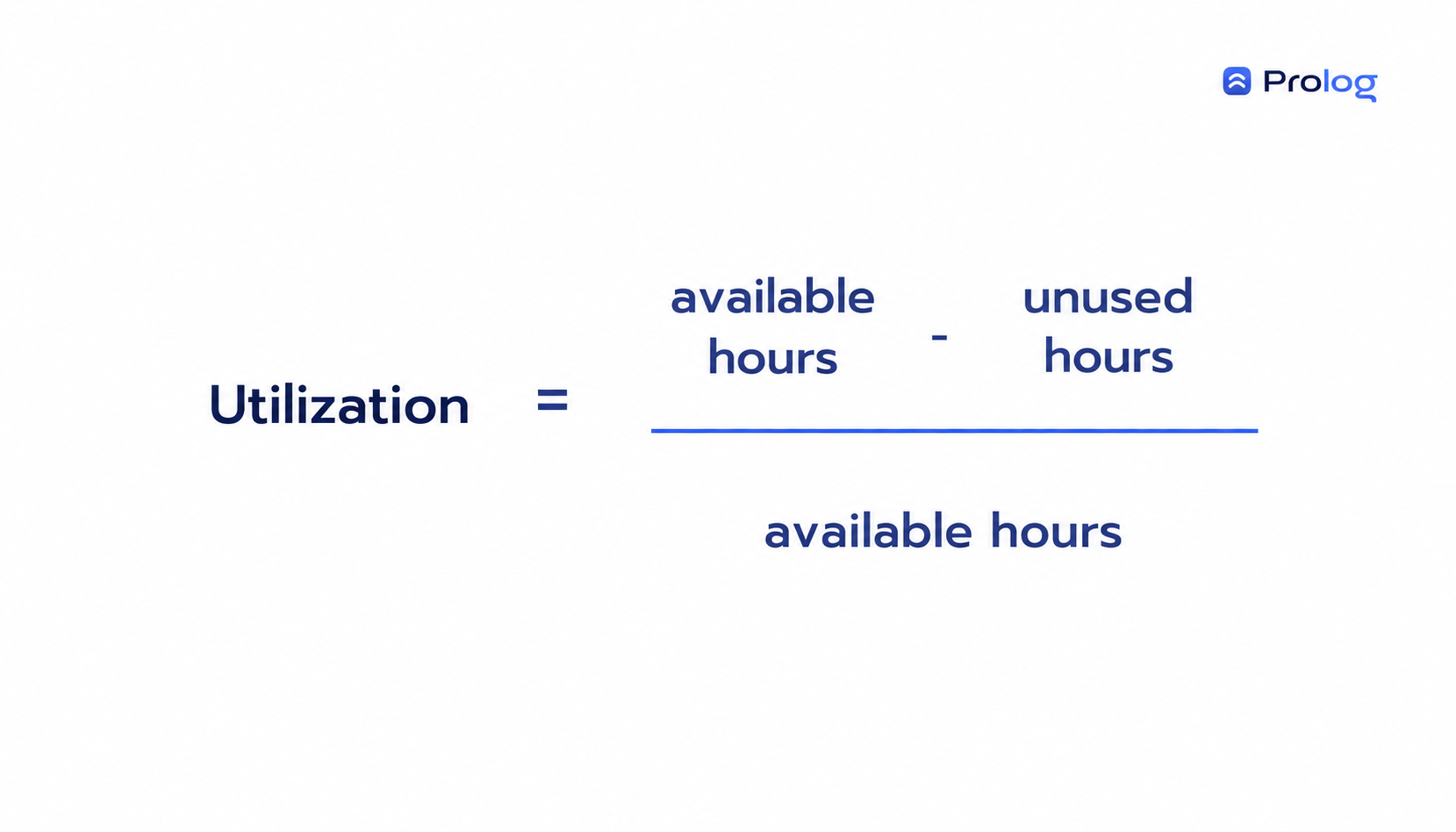
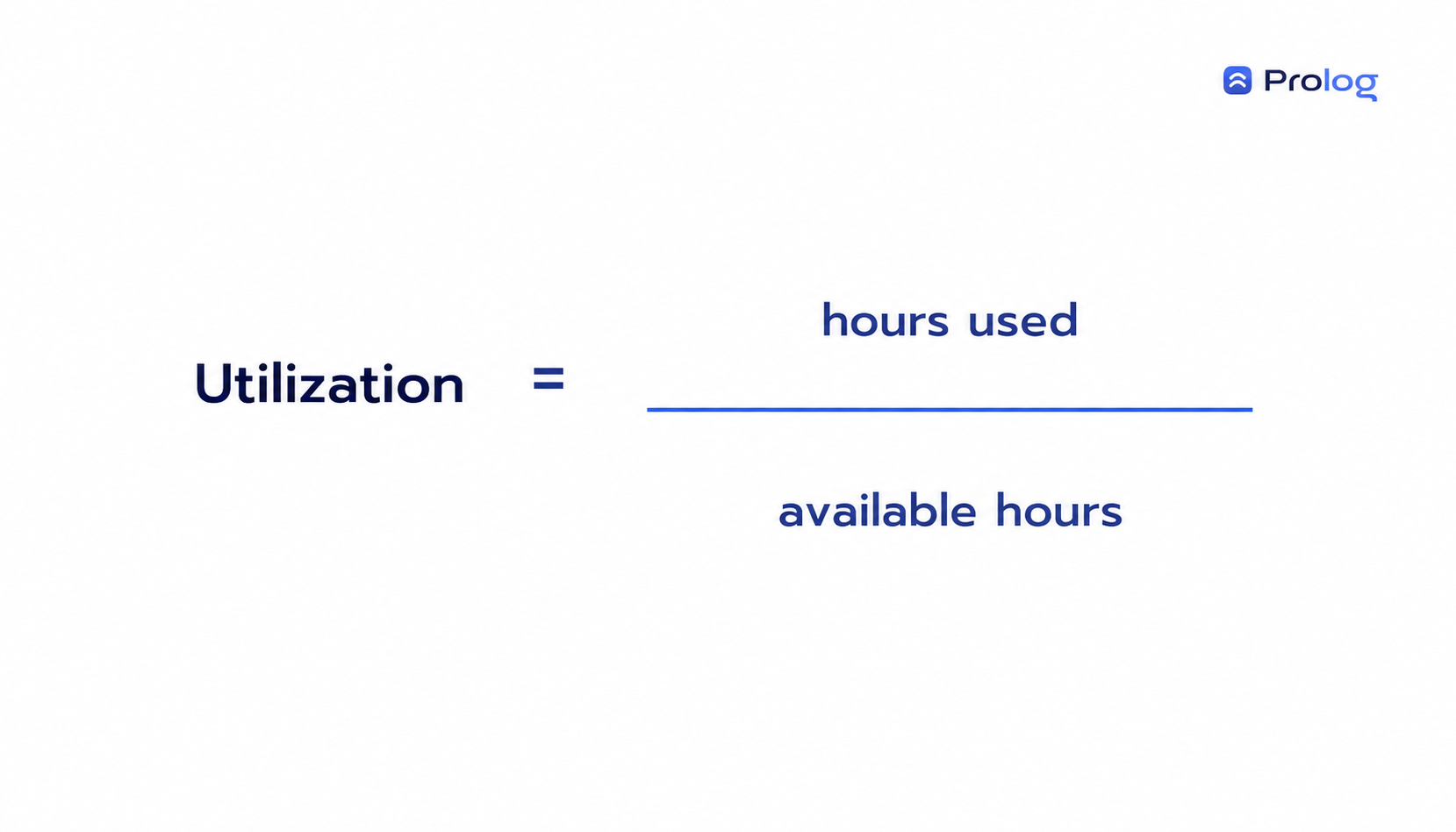
Utilization time is also an indicator measured as a percentage, and it considers the vehicle's available hours and hours used or unused.
It helps you understand whether vehicles are being used efficiently and can be crucial when identifying fleet idleness.
There are two ways to calculate the vehicle's physical utilization rate:
- Using available and unused hours:
- Using hours used and available
Operational efficiency
Operational efficiency indicates the extent to which your fleet operations are being carried out without unnecessary interruptions. This indicator covers maintenance, driver management and even route planning for your operations.
This information can represent both an advantage and a disadvantage. It indicates how efficient your fleet management in mining is, but if it falls below ideal, you need to assess the different management areas individually to identify what is reducing your results.
To obtain a meaningful figure, you need to consider several elements, such as quality and operating time, vehicle downtime, route optimization and so on. In general, you should divide all the company's expenses (labor costs, maintenance services and parts, etc.) by its revenue (product sales, outsourced services, etc.).
Fleet management in mining is more than an administrative procedure; it is also a key element in ensuring optimization, sustainability and safety at every stage of the mining operation.
Keep reading about how to manage a fleet efficiently: download our e-book for free (in Portuguese).
Frequently asked questions
Vehicles in my mining operation keep stopping because of mechanical failures. Where do I start?
How do I know whether my fleet has unnecessarily idle vehicles?
What is the difference between a vehicle's availability and utilization time?
What should you look at to assess whether a mining company's fleet management is going well?
Does a mining fleet need different care from a regular transport company's fleet?
// newsletter
Fleet management content, straight to your inbox
Articles on tires, maintenance and fleet operations. No spam.