Fleet standardization: processes for different vehicles
 Jade Zart 5 min read
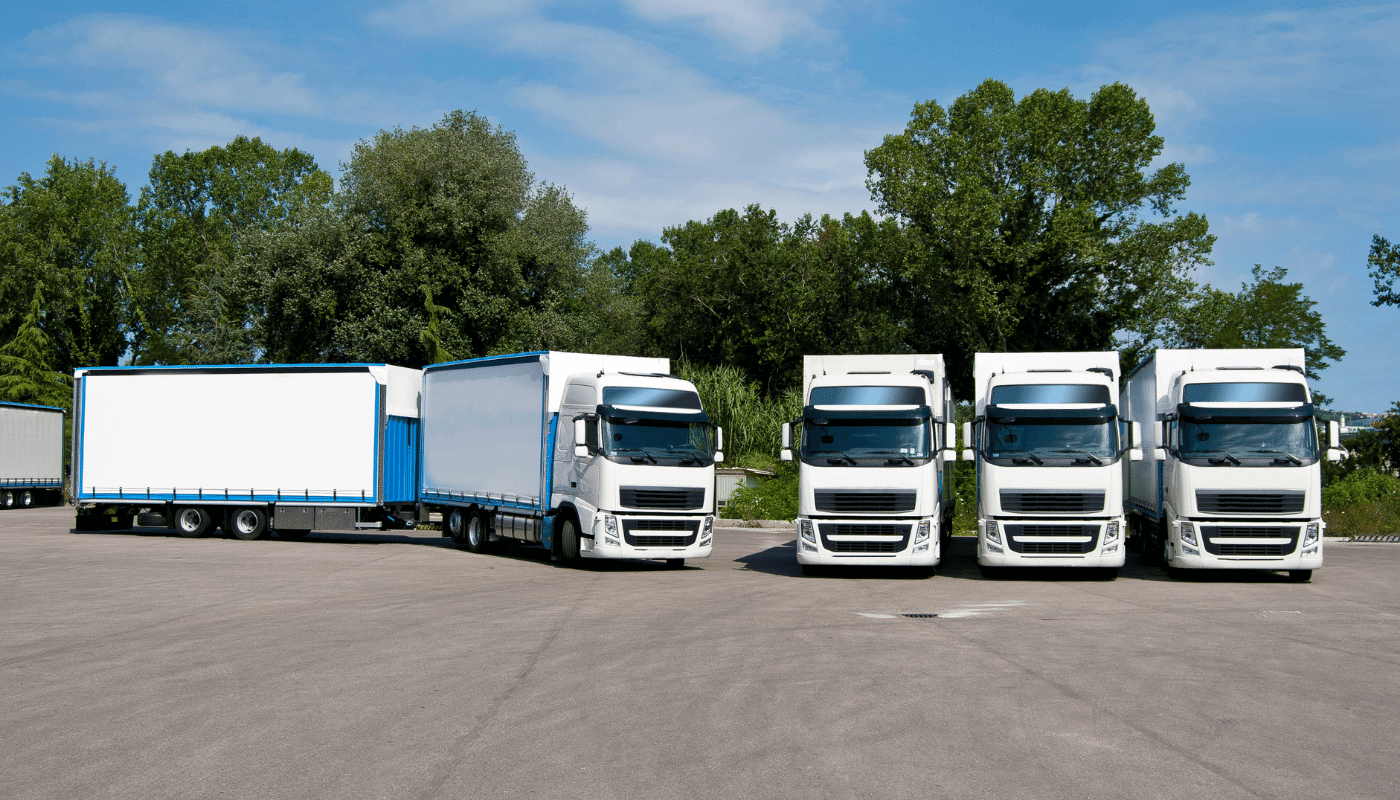
The types of vehicles used in transport should be chosen strategically to make the fleet efficient, safe and economical.
According to IBGE, Brazil has more than 111 million vehicles in use, including fleets with utility vehicles, motorcycles and trucks.
With such a wide range of options, you may find it difficult to identify the best alternative to meet your transport company's needs. That is why we created this post, explaining:
- How to manage fleets with different vehicle types;
- What process standardization is;
- Why standardize processes;
- How to standardize processes for fleets with different vehicle types.
How do you manage fleets with different vehicle types?
1 Understand the challenges
At the outset, the main challenge is to understand the needs of the company as a whole before moving on to the vehicles.
This gives you more accurate fleet sizing.
Also consider what the vehicle is best suited for, based on location, route, size, weight and other factors.
Good management, capable of overcoming challenges, solving issues and planning long-term solutions, should focus on gathering operational information.
This ensures productivity, safety and reduced costs related to moving cargo with an appropriate vehicle mix. In other words, a mix designed in advance to meet not only company demands but also customer expectations.
2 Identify vehicle types
We are not talking about a basic, obvious separation such as “truck,” “bus” and “car,” but something more specific and tailored to your company's intentions.
For example, in a passenger transport fleet, you need to assess how many passengers the vehicle can carry, its size and the category it fits into. Also check the type of driver's license required to drive it, and so on.
In freight transport, you need to check the truck's number of axles, its supported load capacity, propulsion power, among other things.
3 List solutions
What is needed for the fleet to perform at its best? This is what you need to define before you start choosing vehicles for the operation. Take these actions as examples:
- Define weekly and monthly operational demand;
- Analyze the routes used daily, taking road conditions into account;
- Identify maintenance costs and fuel performance;
- Check loading and unloading times and driver rest periods;
- Know the fleet vehicles' technical specifications and maximum capacity;
- Know each vehicle's performance and the number of monthly trips completed.
What is fleet process standardization?
Standardization is a type of strategy for establishing a standard of behaviors, actions and routines, in this case in the fleet's transport operations. In other words, you create a model for carrying out processes.
This can happen through either company culture or the creation of a fleet policy, a more official document for setting these rules.
In general, standardization benefits include higher everyday productivity and reduced errors and rework. See more advantages in the next section.
Why standardize processes?
Communication and brand strengthening
Communication is a reference point for a brand-strengthening strategy, as the main point of contact between the company and external parties such as suppliers and customers.
When we talk about communication, you can think of everything from the transport company's colors and logo to how drivers communicate with logistics partners and/or customers.
Everyone should agree on how to act and convey the professionalism of each business. This is where training and onboarding processes come in when hiring.
Faster maintenance for different vehicle types
Even if your fleet requires acquiring different vehicle types, with process standardization this will not be an issue.
Although maintenance has specific processes for each vehicle, with a truck being quite different from a conventional car, for example, tools and routines help make the task faster.
With a digital checklist, to start with, all inspection lists are saved in the platform and you simply open the one you want, entering the vehicle's license plate at the start of the process.
This avoids both the work of finding and printing a checklist for every fleet inspection and the work of filling in the fields correctly.
In addition, generating standardized WOs ensures much faster preventive or corrective service in the workshop. After all, mechanics will already know exactly what to expect, easily finding information and speeding up services.
Cost reduction
Standardizing vehicle types can also be beneficial if your management chooses to do so. After all, using the same model throughout the operation means everyone knows the vehicles thoroughly and always knows when something is wrong.
This way, they anticipate issues and corrections, speeding up maintenance and reducing costs from accidents and vehicle and cargo losses.
Centralized data management
With a technological solution, it is possible to manage logistics data efficiently.
If it is not all centralized in a single solution, you can adopt measures such as creating BI (business intelligence) for the business or setting up a logistics control tower.
Process automation
Many managers still work with manual processes, managing fleets with spreadsheets, paper and pen. However, in addition to being more prone to errors, these also consume much more time.
That is why automating operational processes has become essential. It is much easier to make decisions through automatically generated reports, using real, concrete data collected in day-to-day operations.
How can processes be standardized for fleets with different vehicle types?
After going through the previous steps, you are already well on your way to standardizing your fleet with different vehicle types.
In fact, the processes are not that different. You simply need to know all the legislation for each case and identify the main maintenance items for each model.
This will allow you to define and establish standards for each vehicle's routine. Remember to record this in a fleet policy that is clear, concise and easily accessible to all fleet employees.
This is the only way the standards will be known and maintained by your entire team.
And, of course, this whole process becomes simpler and more straightforward when you download our Fleet Management Guide (in Portuguese)!
Frequently asked questions
My fleet has trucks, utility vehicles and cars, and each maintenance job becomes a different process. How can I solve this?
What should I assess before deciding which vehicles will make up the fleet?
What information does the operation need to gather before standardizing?
What is the difference between standardizing processes and standardizing fleet vehicles?
How should the standard be recorded so the team actually follows it?
How can I move away from spreadsheets without losing control of fleet data?
// newsletter
Fleet management content, straight to your inbox
Articles on tires, maintenance and fleet operations. No spam.