Fleet tire management: 10 routines to apply
 Jean Zart 6 min read
Keeping a fleet efficient and costs under control requires continuous attention to tires. Fleet tire management turns this attention into a routine: it defines what to inspect, how to record findings, who decides corrections and how to evaluate results throughout use.
In general, this process ranges from correct calibration to using monitoring technologies to maximize tire useful life, reduce fuel consumption and avoid unexpected roadside downtime.
Here are the 10 commandments of fleet tire management:
- Perform daily visual inspections
- Establish a tire maintenance schedule
- Use monitoring technologies
- Inflate tires correctly
- Keep detailed records for each tire
- Plan retreading at the right time
- Analyze cost per kilometer (CPK)
- Choose suitable tires for each vehicle and operation
- Analyze tire scrapping
- Use Prolog in fleet tire management
Perform daily visual inspections
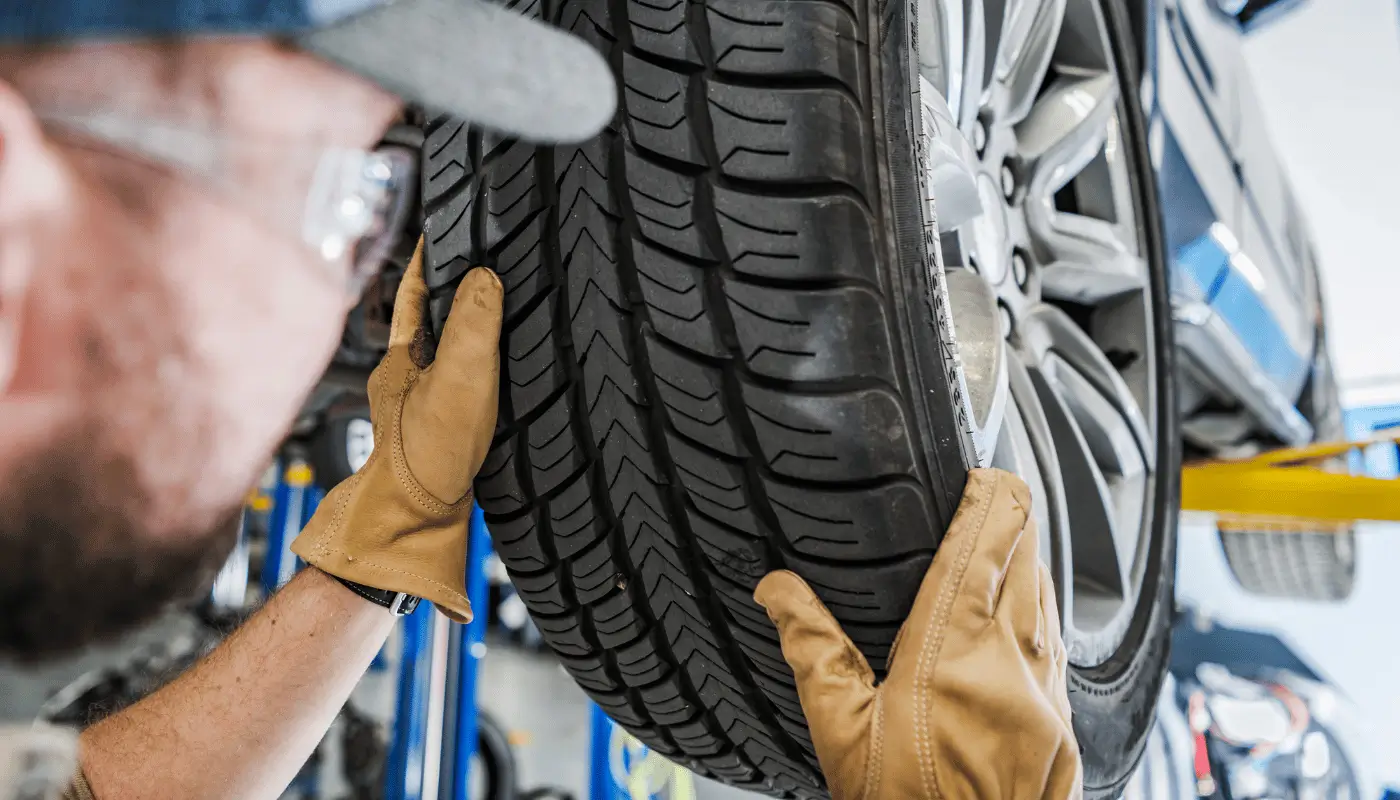
Daily visual inspection is an essential step in identifying anomalies before they develop into failures. It does not replace technical maintenance criteria, but helps direct the tire to the necessary assessment.
Small cuts, bulges and irregular wear can easily be detected with a simple check using a daily vehicle checklist, preventing greater damage and maintenance costs.
Establish a tire maintenance schedule
Preventive maintenance is fundamental to ensuring tire durability. A defined schedule of inspections, alignment, balancing and tire rotation prevents unnecessary wear and extends tire useful life, resulting in lower operating costs.
This can be done and managed through a dedicated tire management system with the features needed for this purpose. This differs from broader systems or tire modules that lack the full functionality necessary for high-level tire management.
Use monitoring technologies
Tools such as TPMS (Tire Pressure Monitoring System) can provide tire pressure and temperature information depending on the solution adopted. This data complements inspection and helps managers prioritize a technical check when there is a deviation.
In addition, the electronic tread probe should be used to keep track of both tire pressure and tread depth, which indicates the average level of wear over time.
Inflate tires correctly
Keeping tire calibration within the recommended specification is essential for fleet safety and efficiency. Incorrectly inflated tires increase fuel consumption, irregular wear and accident risk.
Correct calibration should therefore be part of the weekly maintenance routine.
Keep detailed records for each tire
Each fleet tire should have its history recorded, including purchase date, rotations, retreads and mileage traveled. This data is essential for monitoring tire performance, planning retreading and calculating cost per kilometer (CPK).
Plan retreading at the right time
Retreading can be an alternative for casings that meet the operation's technical and commercial criteria. The timing of the decision should consider inspection, tire history and supplier assessment; retreading without these criteria can compromise safety and use of the casing.
Analyze cost per kilometer (CPK)
CPK is a fundamental metric for fleet tire managers. It measures each tire's operating cost per kilometer traveled.
Monitoring CPK enables more informed tire selection, retreading and maintenance decisions, ensuring more efficient and economical tire management.
Choose suitable tires for each vehicle and operation
Not all tires are alike, and each type of operation requires a specific tire. To ensure the best performance and durability, you should choose tires suited to the fleet's usage conditions, whether on highways, in urban areas or on uneven terrain.
Analyze tire scrapping
Understanding the right time to scrap tires is essential to avoid operational risks. Tires that are past the point for retreading or have structural failures should be disposed of, as they can cause accidents and increase emergency maintenance costs.
Beyond that, you need to analyze this scrap and understand why it reached the level of damage that led to premature casing disposal.
Use Prolog in fleet tire management
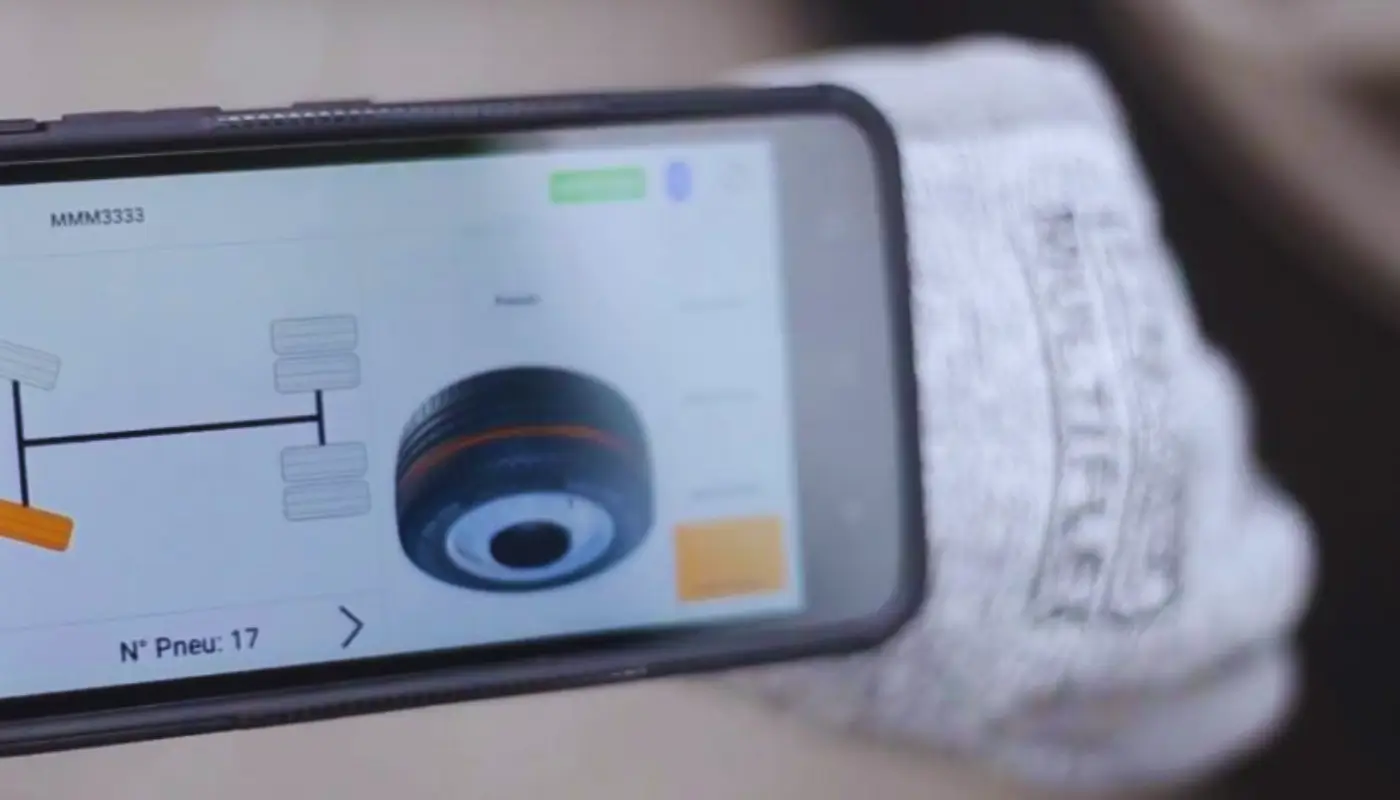
The Prolog solution combines an electronic tread probe and a management system to record pressure and wear during inspections. Data is updated with each measurement and can support the organization of tire routines and maintenance actions.
Tire management results depend on inspection frequency, usage conditions, maintenance decisions and team oversight. That is why durability, disposal and cost goals should be defined and checked using the operation's own data.
When an inspection records an anomaly, the team can route the reported issue according to its maintenance workflow. Here are some aspects that make a difference in the operation:
Shorter inspection time
Inspection with electronic equipment can reduce transcription steps and organize inspection data in the control system. The actual time depends on the work process, tire type, training and operating conditions; keep track of this indicator in your own fleet before setting a goal.
What matters is that the routine covers the measurement points defined by the operation and that the record allows successive inspections to be compared.
Also remember that when there is a variation in calibration pressure, irregular tire wear or another anomaly, the system automatically opens work orders with a suggested necessary correction.
Greater data accuracy
Defining processes and performing inspections regularly is important, and this requires reliable information that reflects the actual condition of your fleet.
Manual and digital processes require clear measurement criteria, training and checks. By centralizing inspection records, the team can trace each tire's history and investigate abnormal readings without relying on scattered information.
The inspection device is also developed in-house, enabling continuous improvements to ensure it works properly, fits the realities of the operations served and gives customers confidence in the information generated.
Greater tire durability
With consistent inspections and corrections made at the right time, the operation creates conditions to reduce waste and make better use of tires. The effect should be measured by model, position, route and usage conditions.
Combined with the data and information feeding reports that provide visibility into the operation, this makes it possible to identify, correct and predict consumption and wear patterns.
This makes it possible to have time and a basis for routine and strategic fleet management decisions, ensuring greater confidence, efficiency and resource optimization.
Less corrective maintenance
Tires affect the entire vehicle. If they are incorrectly inflated, the vehicle will sway more on the road and pothole impacts will increase, potentially causing failures and broken parts.
With recurring inspections and corrections performed by the team, Prolog system records can support calibration care and oversight of tire wear. The effects on vehicle maintenance depend on usage conditions and should be checked using the operation's own data.
Information for new tire purchases
With an analysis of CPK, the cost per kilometer of each tire, performed in the Prolog App system, managers can discover which tire type is most suitable for the fleet's transport operation.
Cost reduction
Balancing operating costs is a challenge for all managers, and using Prolog App also has a positive impact on this balance. This improvement occurs in three areas: operational productivity, direct tire costs and associated expenses such as fuel and vehicle maintenance.
In the first case, the team can perform more activities in less time. This means it is possible to remain efficient even with a smaller team (at a lower cost), since the system can absorb some activities.
Next, extending tire useful life means new tires will be purchased less frequently, and more retreading processes can also be performed to make better use of tires. This generates significant savings for the operation.
Fuel expenses also tend to fall, since running vehicles with incorrectly inflated tires is one of the culprits behind fuel consumption. The same holds true for maintenance costs, since tires help reduce impacts on the vehicle structure itself.
Are you ready to adopt Prolog App and optimize your fleet's tire management? Talk to a specialist in a free online demonstration to learn even more.
Frequently asked questions
What is fleet tire management?
How often should fleet tires be inspected and inflated?
What is tire CPK and what is it for?
When is retreading worthwhile, and when should the casing be disposed of?
What does Prolog record in fleet tire management?
// newsletter
Fleet management content, straight to your inbox
Articles on tires, maintenance and fleet operations. No spam.