Heavy fleet vehicles: extending useful life and avoiding losses
 Luiz Felipe 11 min read
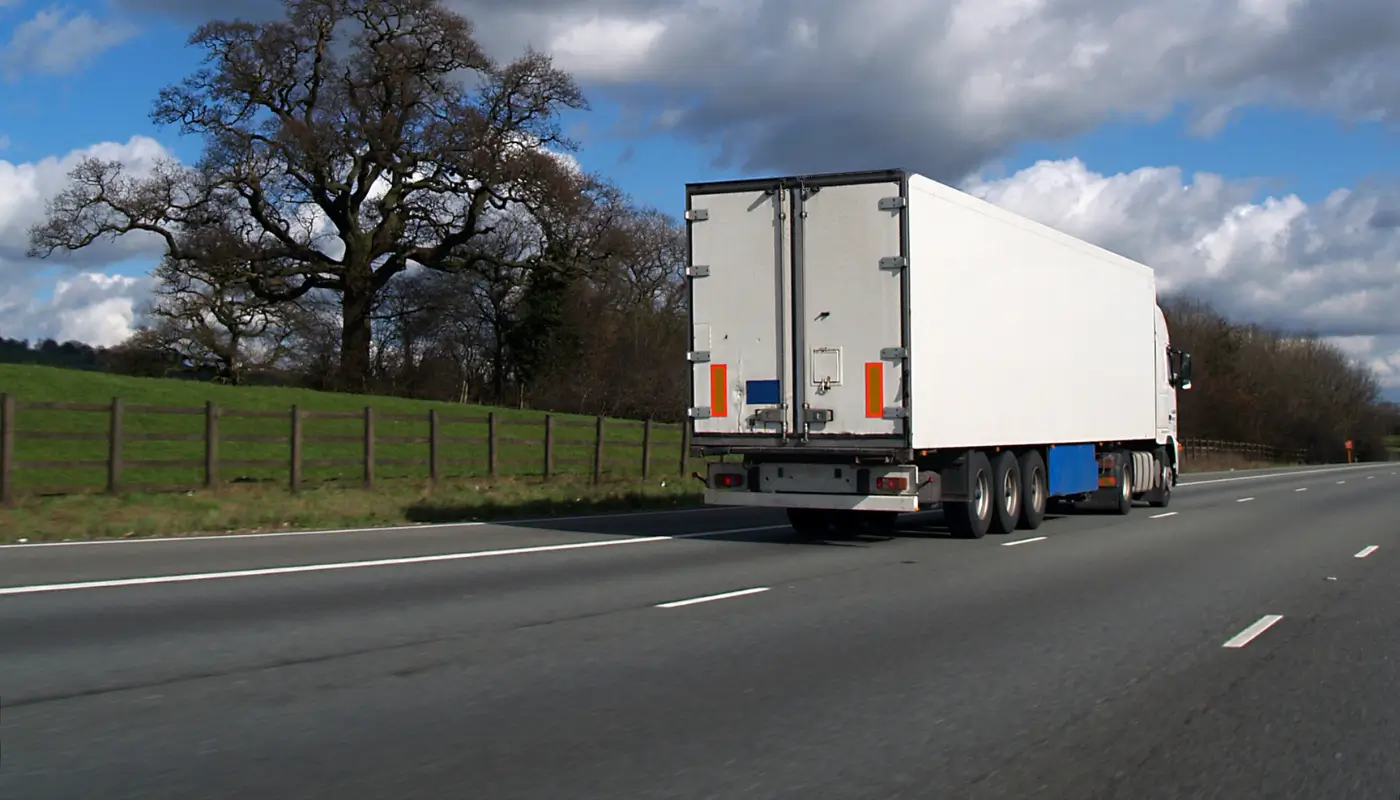
Using a vehicle makes it more susceptible to damage and failures, especially heavy vehicles in a fleet.
That is why it is so important to keep track of each fleet vehicle's information, maintain maintenance records and ensure vehicles receive the care needed to reduce accidents, unplanned stops and vehicle losses for reasons such as mechanical failures.
See below:
- What is considered a heavy vehicle
- The types of heavy vehicles
- How a heavy vehicle fleet works
- Managing heavy fleets
- What you need to know about heavy vehicle depreciation
- The average age of heavy vehicles
- When it is time to replace fleet vehicles
What is considered a heavy vehicle?
Heavy vehicles are those whose gross vehicle weight (PBT in Brazil) exceeds 3,500 kg. In Brazil, this threshold appears in the Brazilian Traffic Code as a reference for category C driving licenses, intended for motor vehicles used for freight transport with a gross vehicle weight above 3,500 kg.
This categorization is not only technical; it influences regulation, taxes and operating rules for these vehicles on the roads. It also reinforces the need to observe weight and dimension limits defined by CONTRAN, Brazil's National Traffic Council, so the vehicle can operate legally.
Heavy vehicles have characteristics distinguishing them from light vehicles, starting with their stronger structures, designed to withstand intensive, long-duration operations.
They also have greater load capacity, allowing bulky or extremely heavy goods to be transported, making them indispensable in industries such as logistics, construction and agriculture.
Furthermore, heavy vehicles are equipped with more powerful engine systems to ensure the performance needed under demanding working conditions, such as steep climbs, rough terrain or long highway distances.
Their engineering also includes varied axle configurations, which may be single, double or multiple depending on the application, to better distribute weight and increase stability during transport.
What are the types of heavy vehicles?
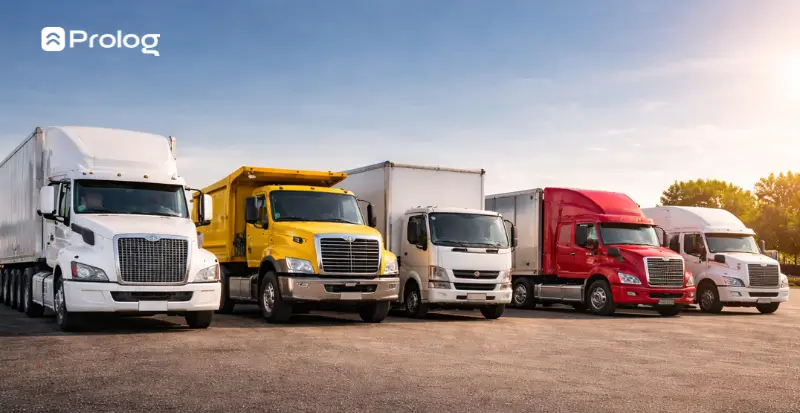
Heavy vehicles can be classified into categories according to their functions and characteristics, making it easier to understand their applications and choose the most suitable model for each need. Here are the main types:
Trucks
Trucks are undoubtedly the most common heavy vehicles in logistics and freight transport. They vary in size, capacity and configuration to meet different demands:
- Toco truck, a Brazilian configuration: equipped with two axles, it is ideal for medium loads over short and medium distances.
- Truck, Brazil's three-axle rigid truck configuration: it has three axles, making it suitable for transporting larger loads with greater stability.
- Bitrem and rodotrem trucks, Brazilian multi-trailer combinations: vehicles designed to transport extremely heavy and bulky loads, with multiple coupled semi-trailers.
- Tank truck (in Portuguese): used to transport liquids, such as fuels or chemicals.
- Refrigerated truck: designed for loads requiring refrigeration, such as perishable foods.
Buses
Buses are heavy vehicles intended for passenger transport and classified according to their application:
- Urban bus: used in metropolitan areas, designed for high capacity and efficiency in public transport.
- Coach: intended for long-distance trips, with greater comfort and luggage space.
- Minibus: a smaller version, ideal for transporting smaller groups on specific routes.
Agricultural vehicles
In agriculture, heavy vehicles are used for planting, harvesting and transporting agricultural products. Examples include:
- Agricultural tractors: essential for soil preparation and transporting agricultural implements.
- Harvesters: used to harvest grains and other products.
- Self-propelled sprayers: vehicles specialized in applying crop protection products.
Construction machinery
These vehicles are designed for heavy tasks in construction, mining and infrastructure:
- Excavators: used to excavate ground on construction sites and large projects.
- Backhoe loaders: versatile machines combining an excavator's functionality with a wheel loader's.
- Wheel loaders: designed to move large volumes of materials, such as sand, stone and rubble.
- Cranes: used to lift and move heavy loads on construction sites.
How does a heavy vehicle fleet work?
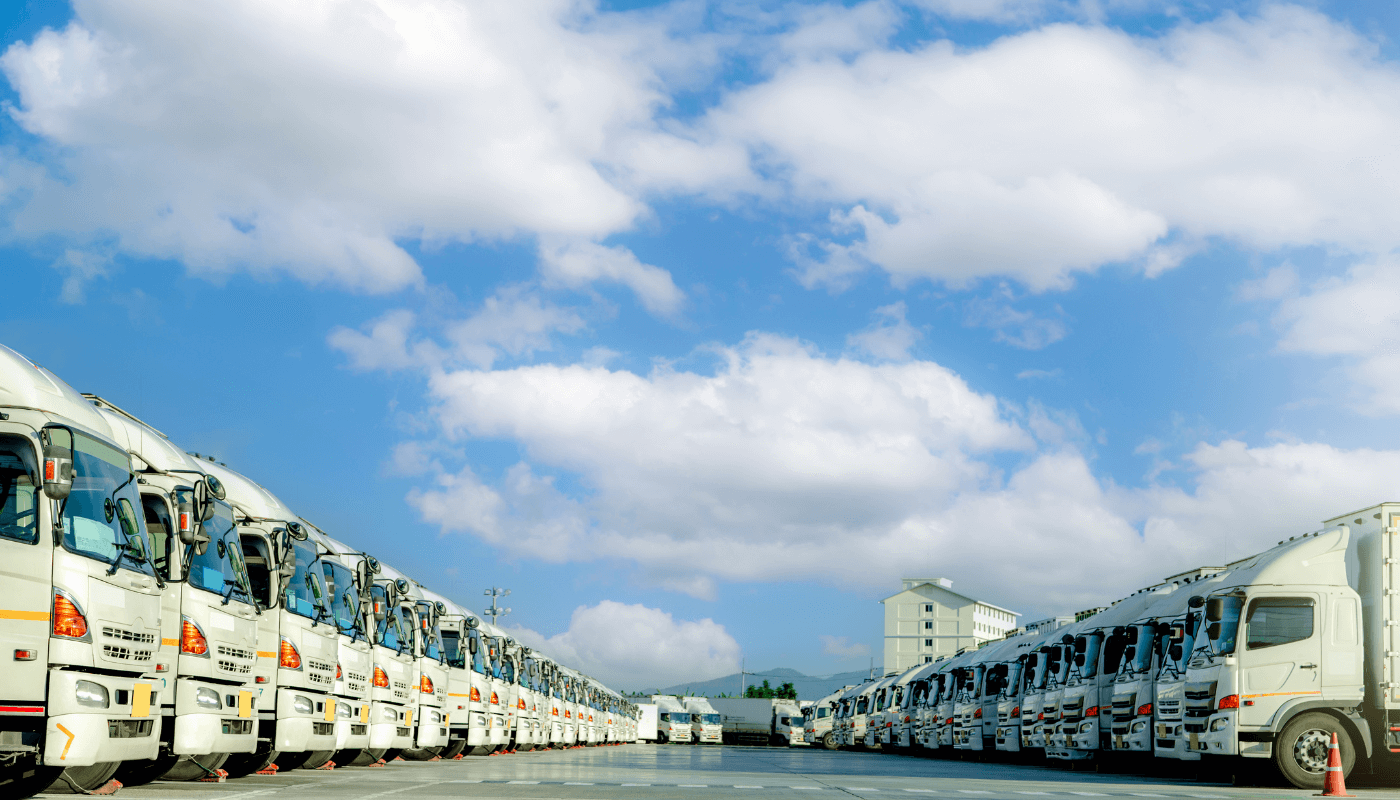
A heavy vehicle fleet consists of a set of vehicles used to meet a company's specific transport or operating demands.
This fleet may include just one vehicle type, such as trucks dedicated to freight transport, or a combination of different types, such as trucks and construction equipment working together on more complex projects, such as infrastructure works or industrial operations.
Regardless of composition, the fleet needs efficient management to ensure continuous operation and productivity.
In some cases, the fleet is company-owned, meaning the vehicles belong to the company, which takes full responsibility for their maintenance, operation and costs.
In other cases, companies opt for outsourced fleets, contracting transport services or renting vehicles to reduce initial investment needs and focus on their core business.
There is also the possibility of working with rented fleets, offering flexibility and allowing capacity to be adjusted according to demand.
In general, a heavy vehicle fleet's success depends on a balance between cost control, regulatory compliance and training for the team involved, including drivers and operators.
Whether for freight transport, material handling or construction work, efficient fleet management is what ensures consistent results.
Managing heavy fleets
Planning and organization
Planning is the foundation of good heavy fleet management. This includes creating operating schedules, defining efficient routes and allocating vehicles strategically to meet demand without overloading the fleet.
Vehicle maintenance management
Keeping heavy vehicles in good condition is indispensable for ensuring safety and prolonging their useful life. In Brazil, the Brazilian Traffic Code (CTB) also determines that a vehicle may only operate when it meets the safety requirements and conditions defined by the Code and CONTRAN standards.
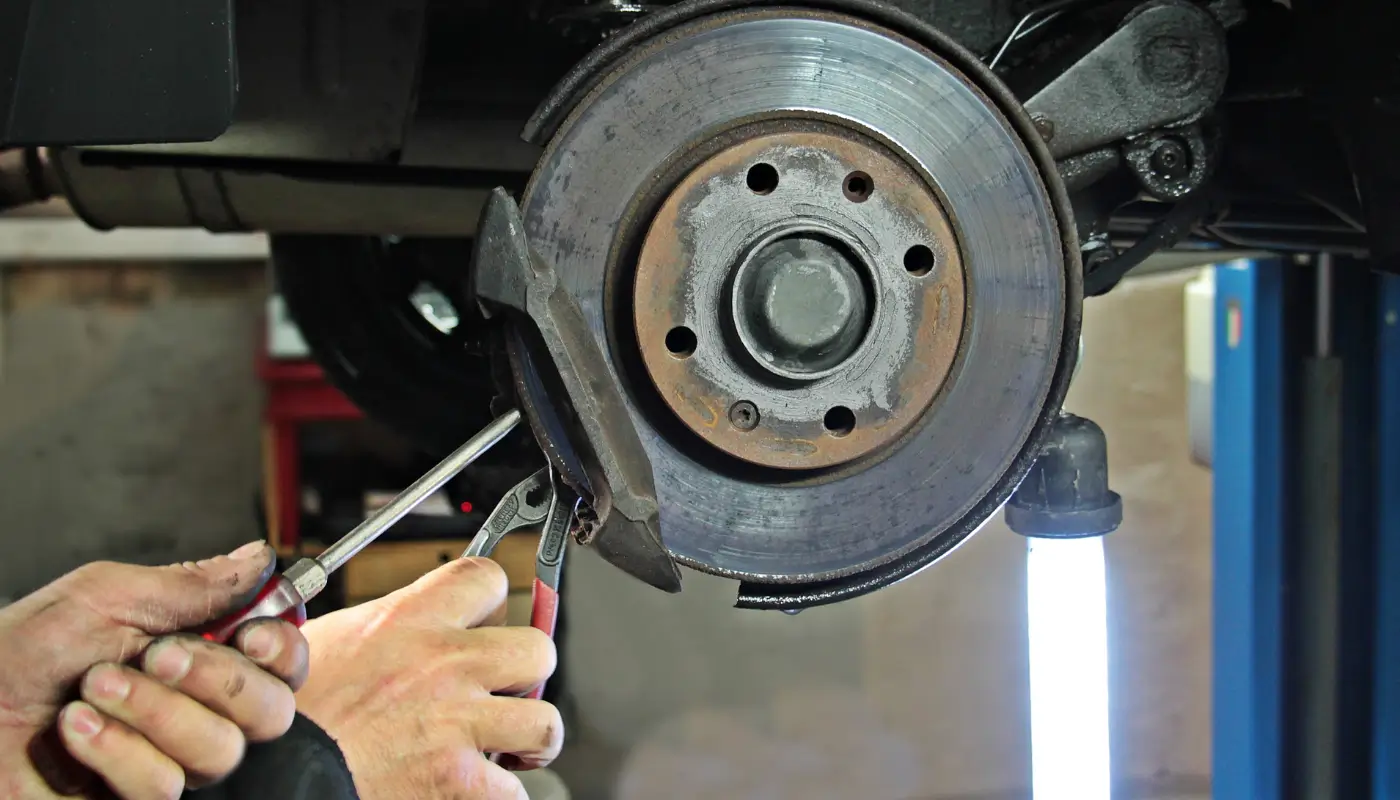
Maintenance management ranges from regular servicing of critical components, such as tires, brakes and engines, to corrective maintenance when necessary.
Management systems help keep track of deadlines, identify issues and organize maintenance tasks more efficiently. In practice, properly used work orders also help organize, communicate and keep track of maintenance work within the operation.
Operating cost management
Operating costs, such as fuel consumption, maintenance, insurance and taxes, represent a significant share of the fleet budget. Managing these costs strategically is essential to maintain profitability.
Regulatory compliance
Managing heavy fleets also requires attention to compliance with specific standards and regulations. In Brazil, this includes ensuring vehicles have the proper operating licenses, drivers have suitable licenses, and weight and dimension limits are respected.
Noncompliance may result in fines, operational disruptions and damage to the company's reputation. Furthermore, driving a poorly maintained vehicle when safety is compromised is classified as an infraction in Brazil's CTB.
Team training and engagement
Drivers and operators play important roles in heavy fleet management. Investing in training and awareness ensures they adopt economical driving practices, preserve vehicles and follow regulations.
Furthermore, keeping the team engaged contributes to a more productive and collaborative work environment. In Brazil, before putting the vehicle on public roads, the driver must also check that mandatory equipment is present and in good working order.
Performance analysis
Keeping track of indicators such as fuel consumption, mileage covered, cost per kilometer (CPK) and vehicle downtime is fundamental.
Based on this data, the manager can identify areas needing improvement and implement strategies to optimize results. Automatically updated reports and charts, when fed by maintenance and operation records, help turn this data into a clearer view of the fleet.
Decision-making
Efficient heavy fleet management requires quick, well-founded decisions. Whether replacing a vehicle, adjusting routes or investing in new technologies, the manager should have detailed information and tools to help predict each choice's impacts.
Analysis tools and automated reports are major allies in this process, especially when they bring together costs per vehicle, maintenance history, plans by vehicle type and work orders by mileage or date.
What do you need to know about vehicle depreciation?
Vehicle depreciation is a natural process occurring as time passes and vehicles are used. Simply put, it is the loss of value a vehicle suffers, whether from wear through use or the launch of new models on the market.
For fleet managers, understanding and managing depreciation is fundamental to reducing costs and optimizing investment in heavy vehicles.
And although depreciation is inevitable, there are ways to minimize its impact and maintain fleet value for longer.
The first step is to ensure good vehicle maintenance, caring for all components, such as engine, brakes and tires. Following vehicle manufacturers' and suppliers' recommendations for regular servicing is indispensable.
Another important factor is team training. Practicing defensive and economical driving helps reduce premature vehicle wear and keep vehicles in better condition for longer.
Keeping fleet tires in good condition is also essential. Well-maintained tires—with regular calibration, rotation and timely retreading—have a longer useful life and contribute to good vehicle performance. Tires with adequate pressure are also safer and tend to last longer.
Furthermore, keeping the fleet clean, both vehicles and tires, helps preserve its appearance and resale value.
Finally, remember that servicing is the key to avoiding accelerated depreciation. A well-structured preventive maintenance program helps keep vehicles in good condition, ready to operate efficiently and safely, and helps reduce the risk of unexpected failures.
What is the average age of heavy vehicles?
In Brazil, market surveys may present different breakdowns of the average age of heavy vehicles, because the answer varies depending on the dataset analyzed, vehicle type and survey year. Therefore, rather than treating a single number as a permanent rule, the more reliable approach is to keep track of your own fleet's average age and compare this data with costs, availability and maintenance history.
For fleet managers, this reality presents a constant challenge: assessing whether continuing to invest in preventive and corrective maintenance is more worthwhile than replacing the vehicle with a newer model.
Older vehicles tend to generate growing repair costs, as well as being less fuel-efficient and more prone to unexpected failures.
There comes a point when keeping a truck or another heavy vehicle exceeds the limit of cost-effectiveness.
That is why keeping track of the fleet's average age and indicators such as cost per kilometer (CPK) and maintenance history are indispensable steps in deciding the ideal replacement time.
How can you identify the right time to renew the fleet?
Renewing the fleet is a strategic decision requiring careful analysis.
To identify the ideal time, the manager needs to balance costs, operating performance and safety, always considering the impact older vehicles may have on the company's productivity and competitiveness.
A common management criterion is comparing accumulated maintenance expenses with the vehicle's purchase or replacement amount, but this percentage should not be used alone. It needs analysis alongside availability, failure frequency, safety, consumption, cost per kilometer and the asset's importance to the operation.
Some signs that the vehicle needs replacing include frequent increases in maintenance costs and a high frequency of mechanical failures resulting in delays or unexpected stops.
Heavy vehicle losses: why do they happen?
A lack of adequate maintenance is one of the main causes of heavy vehicle loss and inefficiency. Without regular oversight of vehicle conditions, risks increase, including mechanical breakdowns, road accidents, traffic fines and even vehicles being held by the authorities.
Beyond the operational impact, neglected maintenance may affect safety and compliance. In Brazil, traffic legislation requires vehicles to meet the applicable safety conditions, and preventive maintenance is a recommended approach precisely for inspecting and caring for critical assets before unexpected failures occur.
Truck preventive maintenance plan
A preventive maintenance plan works as a detailed schedule for regularly checking all vehicle components, from tires to more complex systems, such as brakes and suspension.
The idea is to anticipate problems and make adjustments before they become larger failures. Preventive maintenance is a proactive approach that helps avoid unexpected equipment failures, especially when it combines recurring inspections, incident records and disciplined work order execution.
Besides ensuring vehicles are always ready to operate, the plan also helps record important information, such as inspection dates, repairs performed, parts replaced and each truck's downtime.
This allows more detailed control, fundamental for planning fleet renewal (in Portuguese) at the right time and even preserving vehicles' market value.
To make maintenance management more practical and efficient, fleet technologies are a major ally.
For example, with Prolog, you can perform electronic checklists to verify items such as headlights, engine oil and turn signal operation, record and control maintenance costs, create customized plans by vehicle type and open work orders by mileage or date.
These records help identify issues early through the daily checklist, organize the workshop routine and keep track of necessary actions on tires and other components without relying on scattered controls.
All of this contributes to reducing mechanical failure risks, increasing road safety and avoiding unnecessary repair costs.
Combining a well-structured plan and technology support ensures greater peace of mind for the manager's and team's daily routine. If you want to take your management to another level, get in touch with one of our consultants and discover how Prolog solutions can help!
Frequently asked questions
What is considered a heavy vehicle?
What are the main types of heavy vehicles?
What is the average age of heavy vehicles in Brazilian fleets?
When is it worth replacing a heavy fleet vehicle?
Why does a lack of maintenance cause heavy vehicle losses?
// newsletter
Fleet management content, straight to your inbox
Articles on tires, maintenance and fleet operations. No spam.