How to inflate truck tires: step by step
 Luiz Felipe 6 min read
Knowing the effects of calibration and how to inflate tires correctly is essential for anyone working in road transport.
Tires are costly items for a company — among the costliest, in fact. Caring for them is therefore a way to generate savings as well as increase operational safety.
It may seem contradictory, but even knowing the need to maintain proper tire pressure, many drivers and employees working in transport do not know exactly the pros and cons of this activity.
Incorrect calibration, besides considerably reducing the part's useful life, brings a range of other negative effects that harm truck components and increase accident risks. We will explain more in the next sections:
- What an incorrectly inflated tire is;
- How to inflate tires properly;
- How to know when a tire needs calibration;
- Actions to keep tire calibration up to date.
What is an incorrectly inflated tire?
An incorrectly inflated tire runs at a pressure different from that recommended for the vehicle and the position where it is installed. This pressure is usually expressed in PSI, a unit used to indicate the force of air inside the tire.
When pressure is low, the asset may look deflated and allow tread rubber to make more intense contact with the ground, damaging itself, the tire casing and some vehicle components.
This happens because low pressure directs impacts to the suspension and other parts of the truck.
It can also cause hydroplaning, when a layer of water lies between the tire and asphalt. This can make the vehicle slide over the surface, increasing accident risks.
And there is more:
There is a chance of the tire bead unseating. In other words, the tire coming off the wheel, which can cause accidents by reducing vehicle stability and braking effectiveness.
An incorrectly inflated tire can also result from excessive air inflation. This causes imbalance and instability while driving, increasing wear at the center of the tread and leading to premature tire loss.
See the risks of driving with incorrect calibration. Click the video and watch! (video in Portuguese)
How do you inflate tires properly?
Before starting, consult the vehicle manual and identify the manufacturer's recommended pressure for front and rear tires. Whenever possible, check with cold tires, because readings tend to be more accurate.
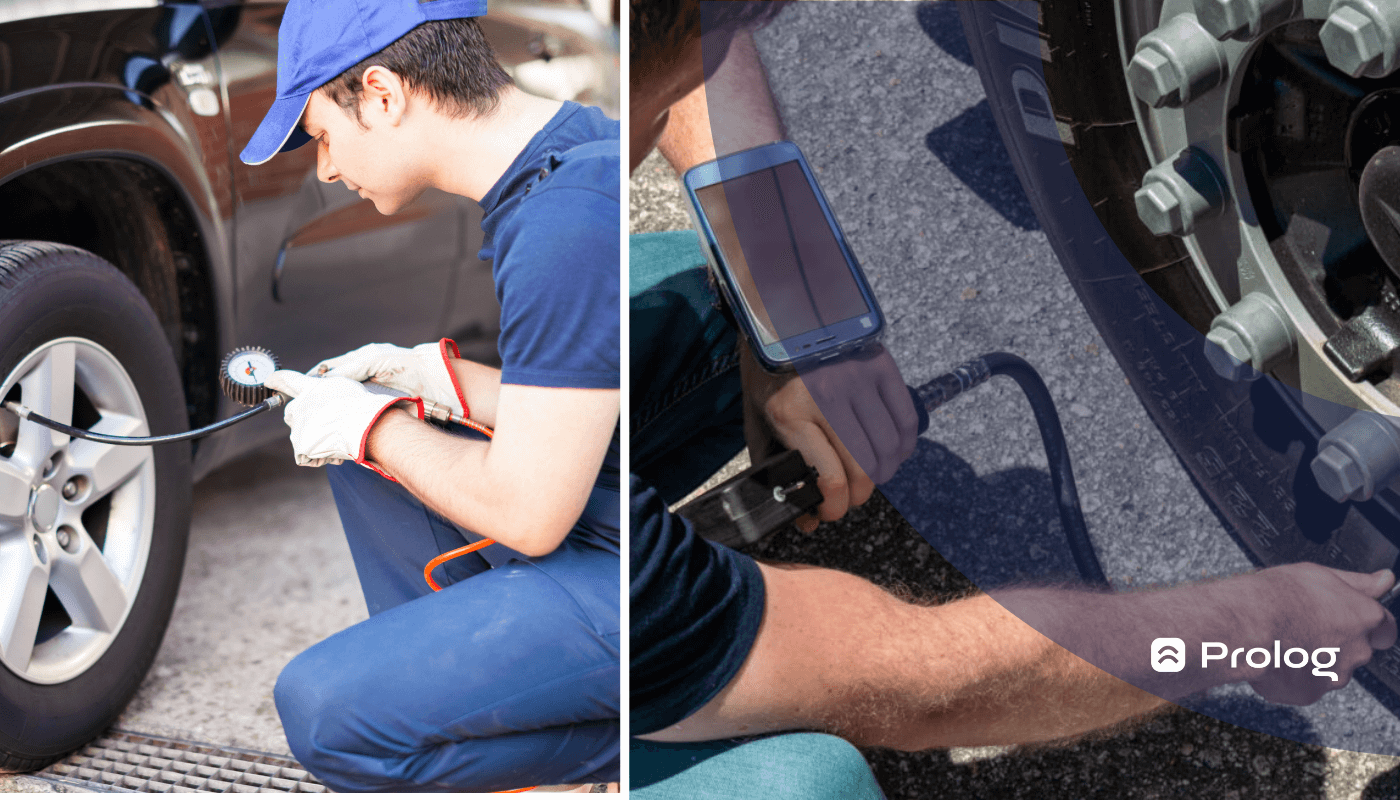
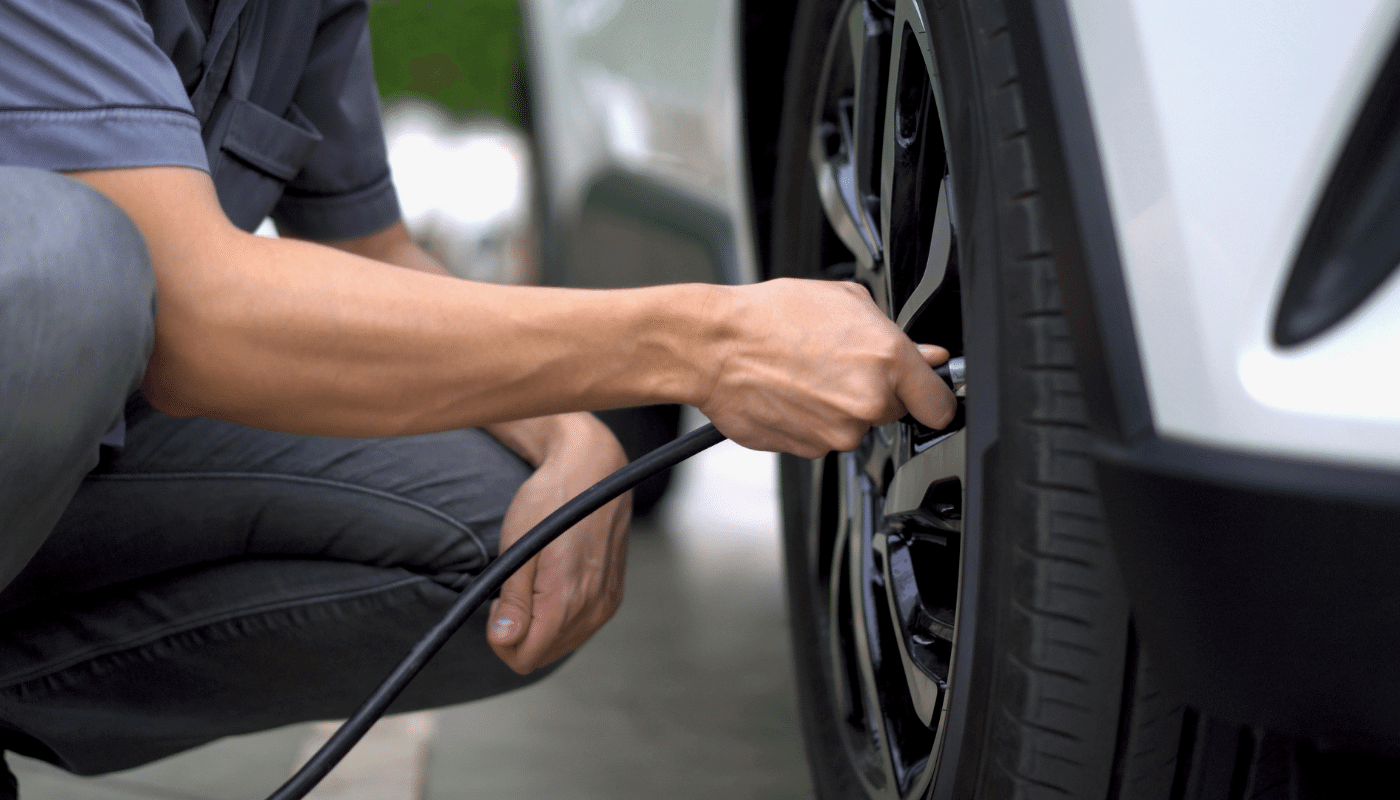
The driver enters the desired calibration measurement on the device and connects the hose to the tire pressure valve. After hearing the beep indicating the air has reached the indicated pressure, remove the hose and close the valve correctly to prevent leaks.
Calibration must be carried out with devices designed for it. Tire inflators are generally found at fuel stations or at the operations center itself, as in large businesses.
Whichever type is used, operation will be similar:
When the tire inflator hose is connected to the tire valve, it takes a reading that compares the pressure set on the device with that coming from the tire.
If tire pressure is below the indicated level, the device sends air inside. When pressure is above it, the device lets excess air pass through the hose out of the tire to reach the ideal pressure.
Whenever the tire reaches the vehicle manufacturer's recommended pressure set on the inflator, it emits a sound confirming it is ready.
After adjusting pressure, firmly replace the valve cap and repeat the process on the other tires needing inspection.
For safety reasons, tire inflator hoses are “unpressurized”. In other words, when not in use, pressure is zero. Generally, they work like a diaphragm, opening and closing internally to allow or prevent air passage.
How do you know when a tire needs calibration?
Whenever it looks deflated or you notice the asset's shoulders are not touching the ground, pressure needs adjustment. Some specialists recommend calibration at least once a week.
The best way to know the right time for calibration is to keep track of tire pressure. In other words, measure the items during a weekly inspection and identify whether they are compliant or need adjustment.
What actions keep tire calibration up to date?
Use a tire calibration table
To know the right date for calibration, it is essential to have some form of control.
One way is to use a table (manual or digital) to record the vehicle's license plate, latest calibration date and person responsible.
All information relevant to the manager's control should be included in the table to keep maintenance up to date and tires always within ideal running standards.
Know when to inflate tires
There are different recommendations on the right time to inflate tires. Some specialists argue that calibration is needed every day, while others suggest once a week.
As a tip:
For fleet vehicles used within the company, city and region, calibration can be carried out weekly and, at most, every 15 days.
For trucks traveling long distances, the recommendation is to stop for calibration every 500 kilometers traveled.
Understand how to inflate tires correctly
The correct pressure, entered on the tire inflator panel, is found in the manufacturer's manual or on a label at the bottom of the driver's door.
For trucks, tire calibration can vary according to the weight of the load carried, and rear tires may need higher pressure than the others.
That is why close attention to the transport process as a whole is necessary.
With new technologies and tire management trends, you can discover the best pressure for each tire make and model used by keeping close control through regular pressure measurement.
The system's intelligence allows you to discover not just a pressure to keep the tire running longer, but also whether this tire type offers good CPK (cost per kilometer) for your operation.
Have tire management in the fleet
Keeping track of tire calibration should be one of the tasks of those responsible for fleet asset management. And yes, it is important to have a department dedicated to caring for these components.
Since incorrect pressure can cause a range of risks involving the driver, truck, cargo and even the public, management needs to treat calibration as routine maintenance rather than an occasional correction.
Tire management also brings savings and productivity to your transport operation's routine.
Use a tire management system
Since so many tire components need attention and we are talking about an item with a high cost for the fleet, why not invest in a system that specifically looks after it?
You can and should make this investment. Tire control, with the help of technology, provides an optimization method that reduces operating costs and increases safety with little effort.
With the system, you can:
- Create a pressure inspection calendar;
- Determine the ideal period for rotation;
- Define when to replace or refurbish tires;
- Suggest practices for reducing wear.
Excellent, isn't it? Prolog offers this type of control through an application accessible anytime, anywhere, providing all information about fleet tires — learn more about the solution.
Frequently asked questions
How often should tires be inflated?
How do you know a tire needs calibration?
What are the risks of driving with incorrect tire pressure?
Where do I find the correct pressure for each vehicle?
How does a tire inflator work?
What does a tire management system add to calibration?
// newsletter
Fleet management content, straight to your inbox
Articles on tires, maintenance and fleet operations. No spam.