6 steps to manage tires
 Luiz Felipe 5 min read
Do you know how to manage tires with reliable inspection, relocation and maintenance records? This control is one of the foundations for making tire monitoring a more agile, organized and effective routine.
In recent years, tire management in the fleet has become an essential responsibility. It is the best way to reduce the cost of buying new tires and increase the chances of retreading.
But there are still many questions about implementing a tire management routine, what should be recorded and what is needed to get started without losing information along the way.
See the steps below to enjoy all the benefits of this management in your operation:
- Step 1: Perform fire-number branding.
- Step 2: Perform pressure and tread depth inspections.
- Step 3: Have a control method.
- Step 4: Implement the routine in the operation.
- Step 5: Be consistent and use the data collected.
- Step 6: Support decisions with data analysis.
How do you manage tires?
Step 1: Perform fire-number branding
Fire-number branding is simply a tire control strategy. Through it, a tire receives a unique identity, distinguishing it from the others in the fleet inventory.
The identification is branded with a hot iron, a laser or other methods, using numbers and/or letters on the tire sidewall. The aim is to make locating the tires practical, safe and organized.
The fire number (the serial number branded on the tire) allows you to record all data collected from the tire to make planning solutions easier. That is why fire-number branding is only the first step toward efficient management.
Step 2: Perform pressure and tread depth inspections
Did you know that analyzing tire data helps you discover the ideal calibration for each tire model and make?
Although ideal pressure information is described in the owner’s manual, weather conditions, the way the driver drives and road conditions directly influence this aspect.
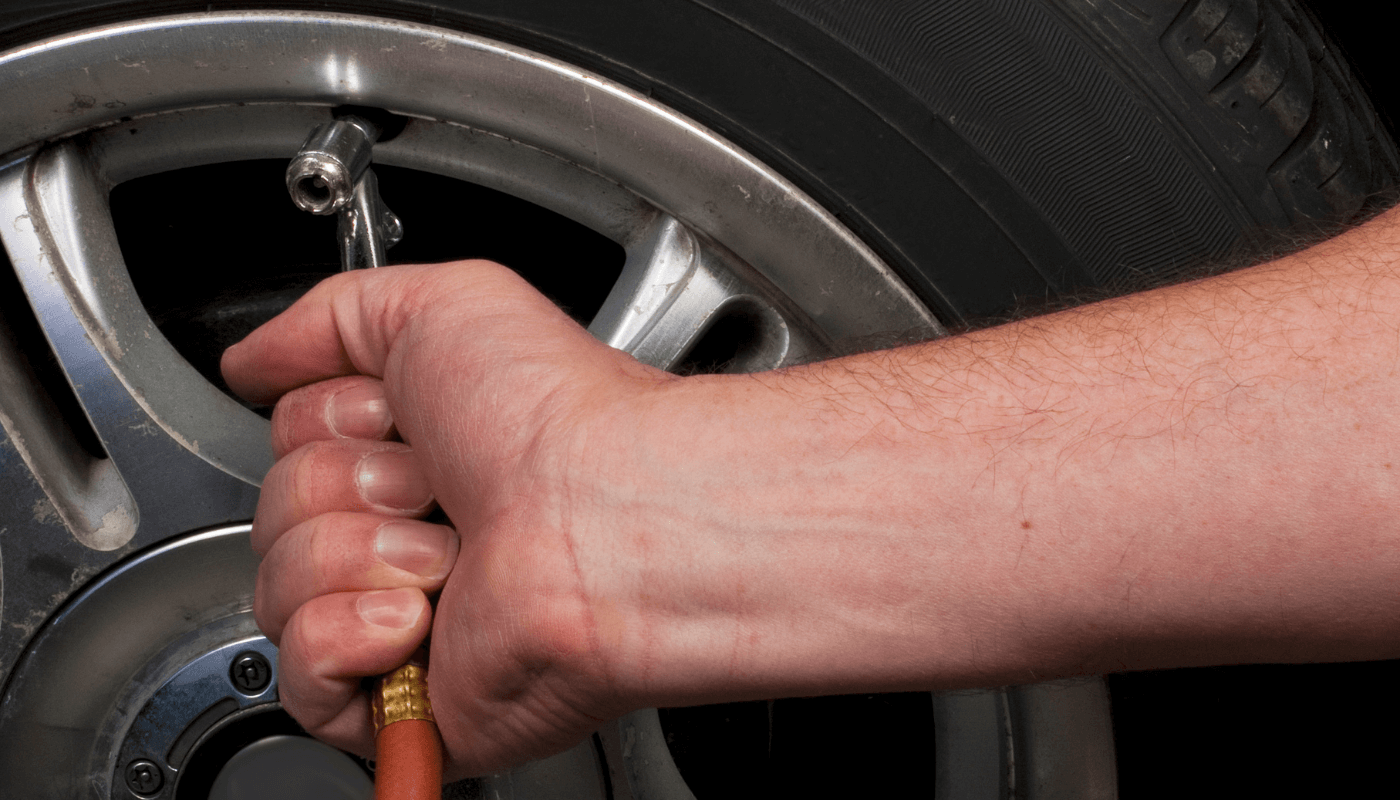
In this case, the most recommended approach for transport operations is to perform pressure inspections every week or every two weeks. Pressure should be checked with an appropriate measuring device, and ongoing control helps you understand when tires should be replaced with new ones and what to do with used tires.
The same applies to the tread. Inspecting tread depth is a way of keeping track of whether tires are wearing naturally, unevenly or at an accelerated rate.
Contrary to what you might expect, each tire type has an appropriate tread depth, and the best way to measure it is with an electronic tread probe, which prevents operational errors in tire management. It is also worth looking for visual signs of uneven wear, very smooth areas and other visible damage, because these signs help guide maintenance.
Step 3: Have a control method
As we have seen, fire-number branding on tires is just the beginning of managing them.
Each tire’s individual identity allows them to be controlled through spreadsheets or digital systems, provided the team consistently records inspections, measurements, relocations and services.
We are talking about keeping track of each tire’s history from installation on a vehicle to retreading once it is worn. The key is to maintain up-to-date, traceable data without relying on memory or scattered notes.
To do this, you need a routine for collecting and recording data in the control method used. With spreadsheets, the manager needs to keep updating the data. With a system, information is organized in a single database, provided employees perform inspections and relocations as needed.
After that, everything stored is studied to identify possible problems and correct them later. This is part of what makes having an efficient control method important for your business.
Step 4: Implement the routine in the operation
After tires are branded with their identity and their pressure and tread depth inspected, they are cleaned and dried to remove debris that could cause permanent damage.
Next, some maintenance services are needed, such as wheel and casing inspections, alignment and balancing, and brake and suspension inspections, among others. Pressure, tread depth, rotation and alignment are among the key points of ongoing tire maintenance because they help keep track of wear, safety and useful life.
If a tire is damaged, one of the tire refurbishment methods may be the most economical option.
Implementing a care routine in your operation is a way to avoid overlooking any errors or failures that could interrupt the services provided and generate more expenses at the end of each month.
Step 5: Be consistent and use the data collected
Managers commonly look at fleet tires from an economic perspective: seeking lower-cost models.
For tire management that aims for productivity and quality, however, this view needs to be different. The focus must be precisely on generating data.
Collecting information and analyzing it is the ideal way to understand and manage tire performance based on cost per kilometer (CPK), as well as identifying problems with vehicles.
It goes further: identifying the cause of these problems and the best solutions for each case.
Step 6: Support decisions with data analysis
We know that tire management aims to improve tire durability. But how do you control fleet tires? The answer is simpler than you might think.
In fact, the message we are trying to convey is the importance of data; always remember that. Without it, there is no identification number, relocation record or efficient maintenance control for your fleet.
Therefore, as information is collected, the manager and team need to act quickly, because an operational error can disrupt the entire logistics chain structure.
Supporting decisions helps reduce the need for repairs and, consequently, operating costs. In addition, identifying weaknesses in vehicles and drivers is one of the benefits.
If you still have no type of tire control in your fleet, start now by downloading our tire management spreadsheet and guide — it is free (in Portuguese)!
Frequently asked questions
I have no tire control in my fleet — what is the first step?
How often should fleet tire pressure be inspected?
Spreadsheet or system for tire control?
What care routine comes after inspection?
Is choosing tires by the lowest price a good strategy?
// newsletter
Fleet management content, straight to your inbox
Articles on tires, maintenance and fleet operations. No spam.