Tire renewal: shoulder retreading, retreading and remolding
 Jade Zart 4 min read
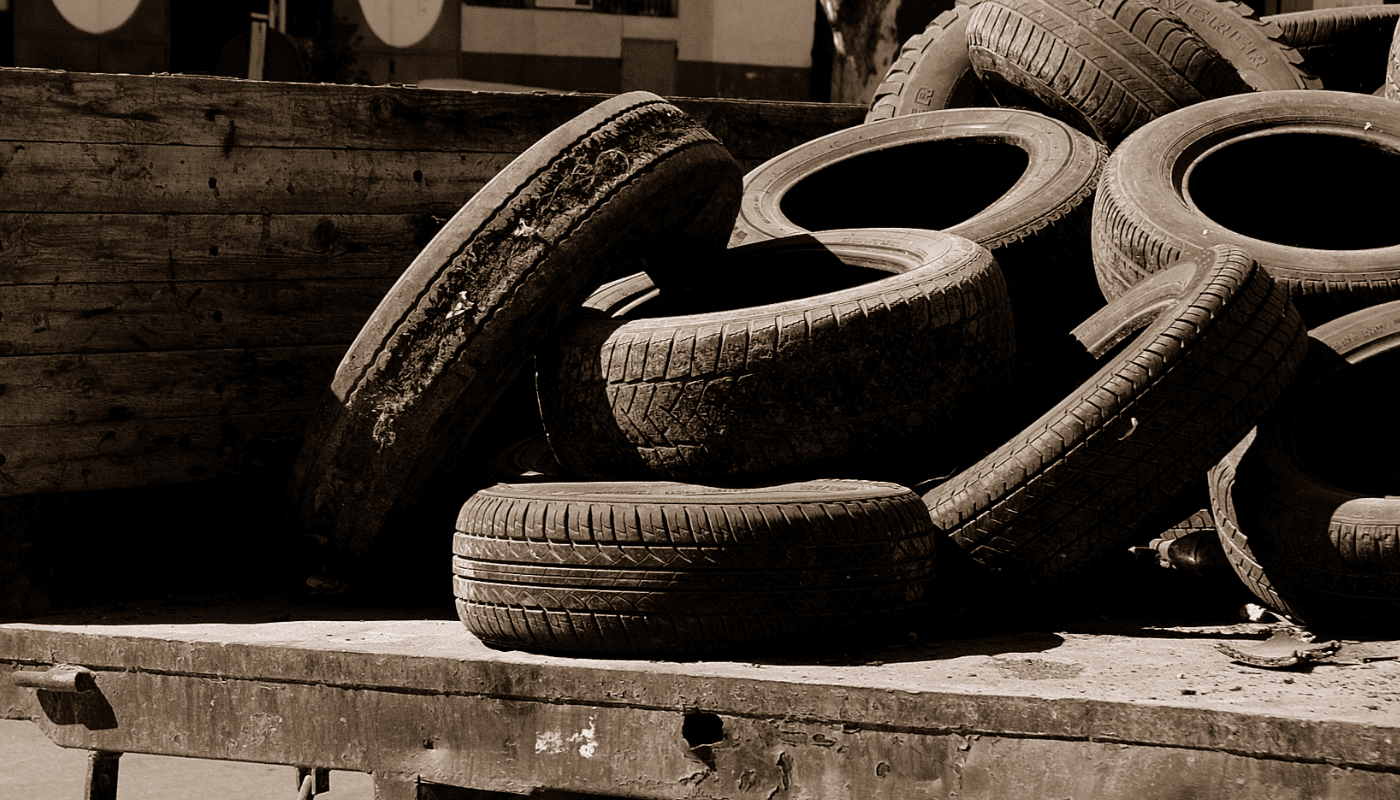
Tire refurbishment processes are performed when the item reaches the end of its useful life. To try to extend its use, the tire undergoes refurbishment.
This process can take three forms: tread-and-shoulder retreading, tread-only retreading and remolding. Each aims to replace the tread in different ways, taking advantage of certain specific characteristics.
The biggest question surrounding refurbishment processes is: does the refurbished tire come back with the same attributes as an original tire? Another point requiring attention is the service price compared with purchasing a new tire.
We will address all these questions below. Take a look:
- What are the three ways tires can be refurbished?
- How do tire refurbishment processes work?
- How many times can a tire be refurbished?
- Is tire refurbishment worthwhile?
What are the three ways tires can be refurbished?
Tread-and-shoulder retreading
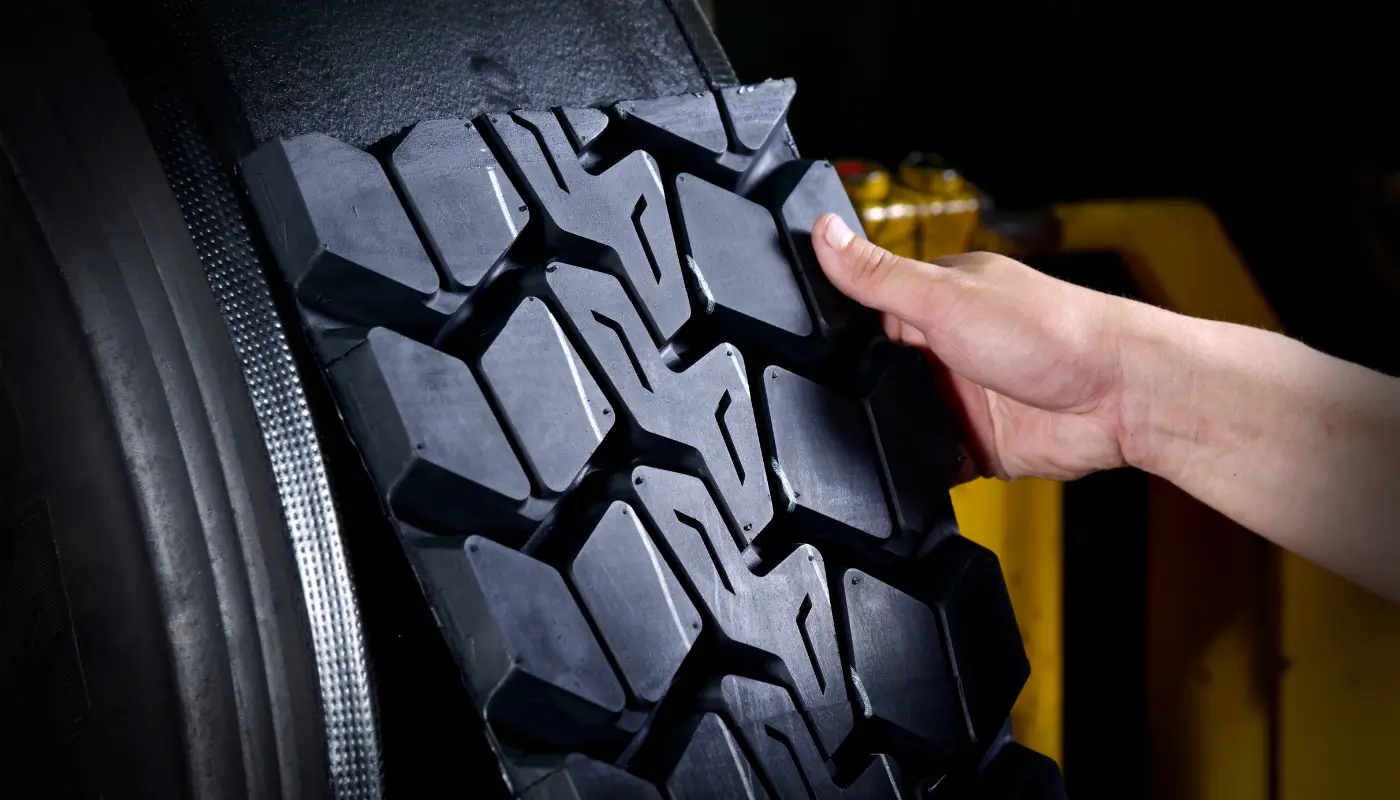
The tread is the part of the tire in direct contact with the ground and can be divided into three parts: grooves, bars and sipes.
Its structures serve to drain water on rainy days, reduce tire temperature and receive traction from the engine, the force that moves the vehicle.
Tread-and-shoulder retreading aims to replace the old tread, including the shoulder rubber, with a new one, restoring the tire's stability, grip and traction as if it were new.
Tread-only retreading
Tire retreading is an economical and safe way to restore a tread's mileage performance as if it were new.
The rubber is cleaned and inspected before undergoing the enveloping process, which involves replacing only the rubber in the center of the tread.
In general, refurbishment can be performed on any tire model and is ready in up to two days.
Remolding
This procedure replaces the tire's tread, sidewalls and shoulders using a well-preserved casing.
This can only be done with the help of a machine that removes worn rubber.
Before a new rubber layer is applied, an inspection is carried out that keeps records of all the tire's information.
How does tire refurbishment work?
There are two techniques for performing tire refurbishment: precure (cold) and camelback (hot), in which:
- Cold: the tire is covered with a precured tread with an already established pattern.
- Hot: the tire is covered with a layer of unvulcanized rubber and the pattern is formed by a mold in presses.
See how the three types of tire refurbishment are performed:
Tread-and-shoulder retreaded tire
This refurbishment process is suitable for tires that have experienced some kind of shoulder wear, which tread-only retreading cannot address.
The rubber is replaced and the tire is taken to a mold heated to a temperature of 150ºC; its pattern is then formed and it is ready for use.
Retreaded tire
In hot retreading, the tread is incorporated into the tire through a vulcanization process at up to 150ºC.
In cold retreading, the maximum temperature reaches 115ºC and the tread is precured, meaning it is ready to be applied to the tire.
Remolded tire
The remolding process replaces the entire tread and sidewalls, which is why it is the least used. This is also due to the risk of not offering as much safety and durability after refurbishment if it is not carried out by highly experienced professionals.
The entire exterior of the tire is covered, causing the loss of original factory information such as date, weight and maximum speed.
This technique is carried out using a hot mold at around 150ºC, but first the tire undergoes an inspection that records all its old information.
How many times can a tire be refurbished?
First of all, it is important for the tire to undergo a technical inspection to check what can and should be done in terms of refurbishment. A heavy vehicle tire, provided its casing is in good condition, can undergo two to three retreading cycles.
The recommendation is to refurbish when the tread depth is below 2 or 3mm, but never less than 1.6mm, as this is the minimum depth for driving safely in Brazil.
Is tire refurbishment worthwhile?
For companies wanting to avoid excessive spending, tire refurbishment contributes to savings of around 50% to 60% compared with the price of new models.
This means that, if performed according to the required safety standards, the refurbished tire goes on to have the same useful life as a new tire.
We can also say the practice is considered sustainable, since each restored tire corresponds to savings of 57 liters of oil and 80% of electrical energy.
However, restoring tires alone is not enough. Drivers should maintain the necessary care to preserve the tread.
If you enjoyed this and want to keep up with more content like it, be sure to download our tire management guide (in Portuguese)!
Frequently asked questions
What are the forms of tire refurbishment?
What is the difference between tread-only and tread-and-shoulder retreading?
How many times can a tire be refurbished?
Is tire refurbishment worthwhile?
What is the difference between cold and hot refurbishment?
Why is remolding the least used?
// newsletter
Fleet management content, straight to your inbox
Articles on tires, maintenance and fleet operations. No spam.