Tire retreading: 2 to 5 retreads on truck tires
 Jean Zart 4 min read
Fleet managers often ask themselves: how many times can a tire be retreaded and still keep running safely and efficiently?
This retreading process, also known as tread renewal or tire reconditioning, is an important practice in fleet tire management. In addition to extending the useful life of tires, it reduces operating costs and contributes to sustainability.
If each tire in the fleet is discarded prematurely without being retreaded, the financial impact can be large. On the other hand, by retreading efficiently, you can make better use of the casing and improve the cost-per-kilometer math before buying new tires.
Check out the step-by-step guide below:
- Understand the tire's technical limit
- Evaluate the condition of the casing
- Consider the type of use and the operating conditions
- Prioritize quality retreading processes
- Keep track of the tire's cost per kilometer (CPK)
- Keep track of post-retreading performance
- Adopt tire management systems
What is the ideal number of tire retreads?
Understand the tire's technical limit
The ideal number of retreads varies according to the type and quality of the tire. Truck tires, especially those from premium brands with robust casings, can withstand 2 to 5 retreads, depending on the conditions of use and maintenance.
It is important to check the manufacturer's recommendations, which generally indicate the maximum number of reconditionings the casing can withstand without compromising safety. It is also worth remembering that, in Brazil, tire reconditioning is a regulated activity: the supplier must comply with the applicable regulation, and the reconditioned tire needs to be identified as reconditioned, tread-only retreaded, top-and-shoulder retreaded or remolded, according to the process.
Evaluate the condition of the casing
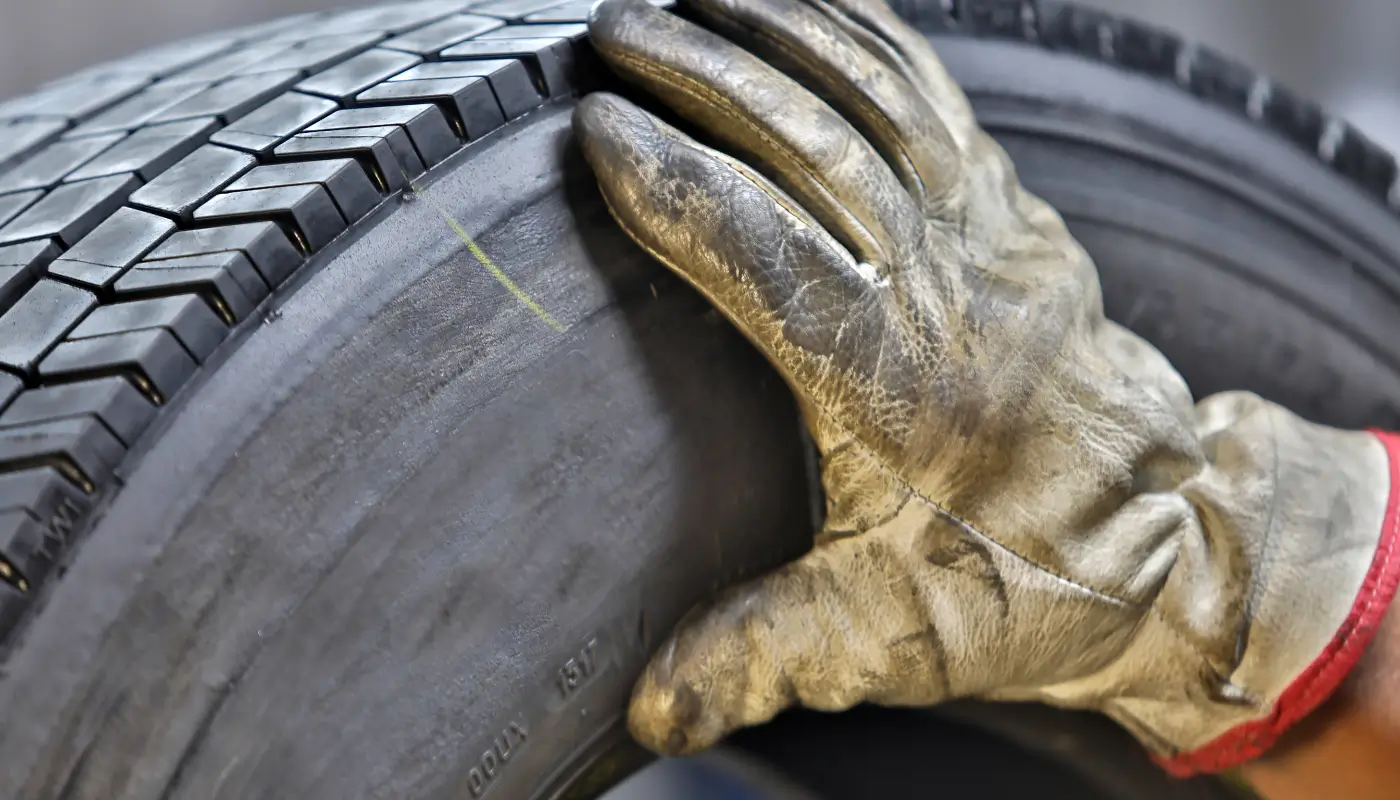
Before each retread, the casing should undergo an inspection to identify structural damage, such as cracks, ply separation, irregular wear or other signs that require professional evaluation.
A casing in good condition is the basis for safe and effective retreading. If it shows irreparable damage, no type of reconditioning should be carried out, because safety depends on the actual condition of the casing before it receives a new tread.
Consider the type of use and the operating conditions
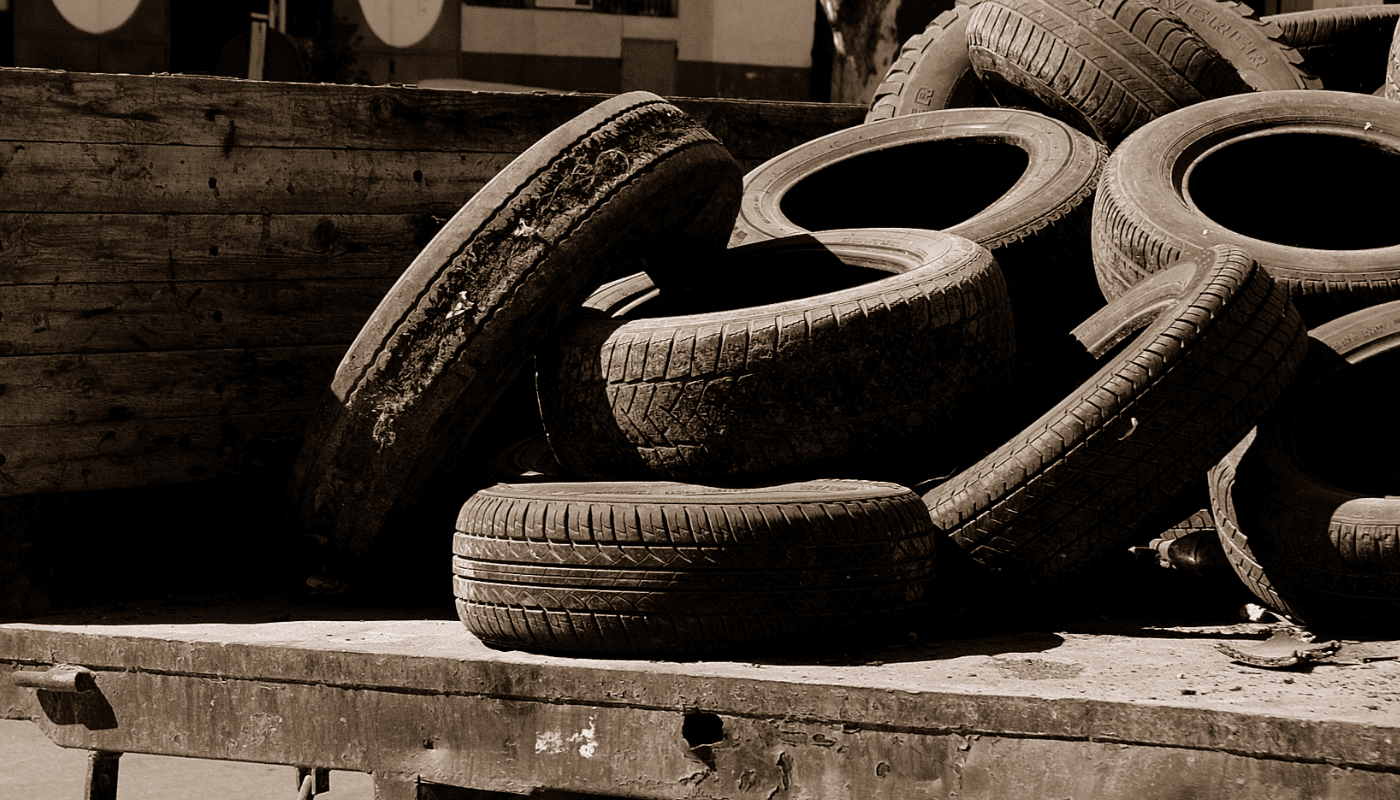
Tires used on severe terrain, such as construction sites or mining, tend to suffer greater wear, reducing the number of possible retreads. Those used on well-maintained highways, with less aggressive conditions, can be retreaded more times.
Remember that the operational history of the tire directly impacts its durability. Proper preventive maintenance, such as rotations, regular calibration and periodic inspections of pressure, tread wear and damage, can increase useful life and the number of viable reconditionings.
Prioritize quality retreading processes
Choosing a certified and reliable retreading supplier is crucial. A poorly executed reconditioning process can compromise the casing and even increase the risk of accidents.
Make sure the shop uses modern techniques and inspects all tires before and after the process. In Brazil, providing the reconditioning service depends on the applicable registration, and the process must undergo conformity assessment so that the reconditioned tire does not pose risks that compromise users' safety.
Keep track of the tire's cost per kilometer (CPK)
The decision about the ideal number of retreads should also take cost-benefit into account.
With each reconditioning, the cost per kilometer should be analyzed. This calculation considers how much it costs to travel a certain distance with each tire in the operation and includes the purchase price, repairs and retreading services. When the cost of maintenance and reconditioning approaches the price of buying a new tire, it is time to consider disposal.
Keep track of post-retreading performance
After each tire retread, keep track of the asset's performance with indicators such as fuel consumption, wear and grip.
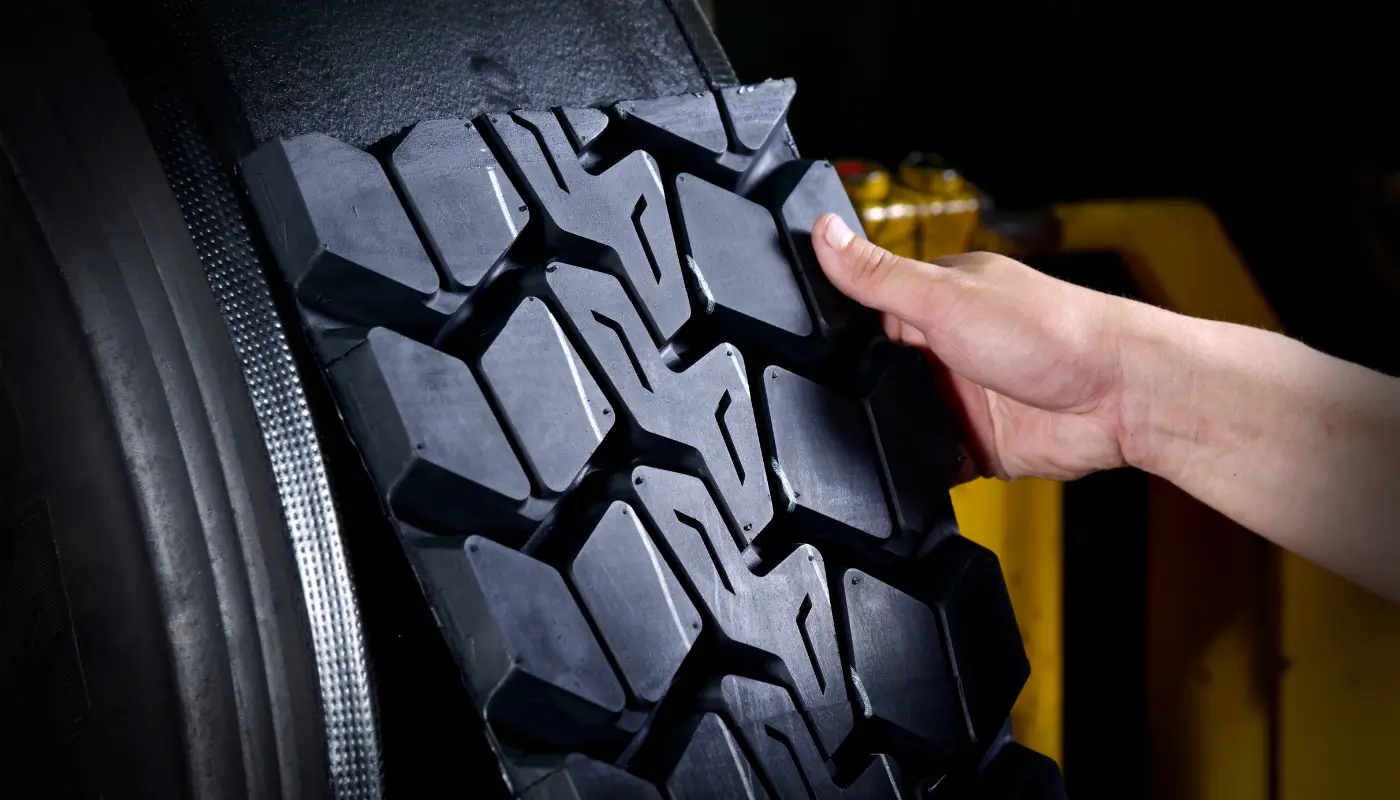
If you notice a sharp decline in performance, even after a quality reconditioning, it may be a sign that the casing has reached its limit. Keeping track of tread depth also helps define the time for a new retread or replacement, keeping the CPK under control.
Adopt tire management systems
Digital tire management tools are excellent allies for controlling retreading history, organizing inspections and keeping track of the condition of casings based on the records made by the team.
Systems such as Prolog App make it possible to keep track of each tire in the fleet, from purchase to disposal, control inspection deadlines and schedules and record detailed information, such as the number of reconditionings carried out, tread depth measurements and inspection dates.
In general, determining the ideal number of tire retreads depends on several factors, including the tire's brand and type, the environment of use, the quality of the maintenance performed and the history of each casing.
Want to have full control over retreading and maximize your fleet's efficiency? With Prolog App, you simplify tire management and make decisions based on reliable inspection and maintenance records. Book a free demo of our system!
Frequently asked questions
How many times can a tire be retreaded?
How much does retreading save compared with buying a new tire?
When can the casing no longer be retreaded?
Does the type of operation change the number of possible reconditionings?
How do you know when to discard instead of retreading again?
How do you choose the company that will do the retreading?
// newsletter
Fleet management content, straight to your inbox
Articles on tires, maintenance and fleet operations. No spam.