How the tire cycle affects fleet management
 Jade Zart 5 min read
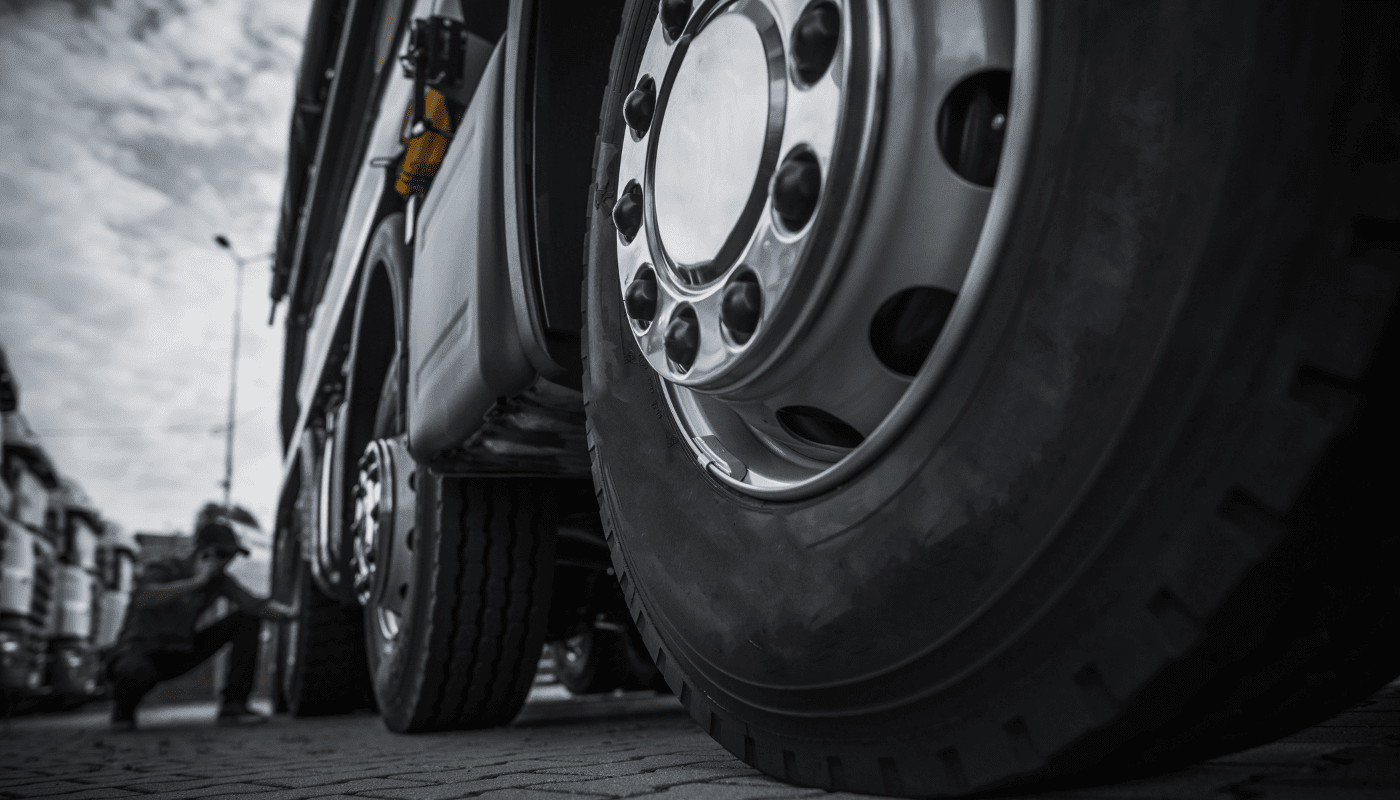
Knowing the tire cycle can help you manage these assets more effectively in your fleet.
Tires are individual vehicle components, with their own useful life, independent of the manufacture and assembly of the vehicle itself.
It is therefore important to understand this tire cycle and how to assess whether the asset is being put to good use. Explore the main points:
What is the tire cycle?
The tire cycle covers the entire process, from manufacturing to disposal, after use and, when the casing allows, refurbishment.
1 – Manufacturing
The cycle begins before the tire reaches the fleet, with raw material selection and its transformation into the tire itself. Manufacturing involves assembling various parts, such as the bead, sidewall, shoulder, plies and casing, among others.
2 – Acquisition
Once available for purchase, the tire is acquired by fleets and transport operations. Managers choose the models that best meet their companies' needs.
3 – Fire branding
Before being installed on a vehicle, the tire should be identified by fire branding. This enables precise control and prevents errors during tire management processes.
4 – Use (or storage)
After branding and registration in the fleet's tire control system, the tire is installed on the designated vehicles. If not yet needed, it is stored in the operation's inventory.
During storage, it is also worth paying attention to the conditions in the storage area. Tires should be kept in a clean, dry, cool and well-ventilated environment, because preservation before use is part of the asset's useful life.
5 – Tire inspection and maintenance
During use, the tire undergoes management processes, including inspection of pressure, damage and tread depth.
This information helps assess tire condition and guide maintenance decisions. Pressure, tread wear, rotation and alignment are among the central points of ongoing maintenance; during monthly inspections, correct pressure, tread wear and visible damage deserve special attention.
Inspection also helps determine the right time for tire replacement and, if necessary, sending it for retreading, which is one stage of the cycle. In Brazil, remaining tread depth below 1.6 mm is an important legal limit, and visual verification uses tread wear indicators.
In general, refurbishment such as tread-only retreading and top-and-shoulder retreading forms part of tire maintenance activities.
6 – Repeating the cycle and disposal
After the first tire refurbishment, the cycle repeats, moving from use to maintenance until reaching the final moment: disposal.
At this stage, it is essential to take responsible measures to ensure the tire goes to an appropriate collection point, avoiding any negative environmental impact from its disposal.
Why is tire cycle analysis important?
Analyzing the tire life cycle in your fleet is extremely important for understanding, for example, a tire's durability in your operations.
This analysis provides crucial information for tire management, establishing parameters that allow comparison of actions aimed at increasing tire useful life.
You can therefore assess your strategies' effectiveness, as you will have a solid comparative basis. This assessment should consider that useful life does not depend only on calendar age: maintenance, pressure, load, speed, temperature, impacts and road damage also influence tire performance.
In addition, analyzing this cycle makes it possible to:
- Identify wear patterns;
- Anticipate tire replacement;
- Avoid unplanned stoppages due to damaged tires;
- Establish an efficient preventive maintenance schedule;
- Optimize tire management costs.
In other words, understanding the tire cycle contributes to informed decisions aimed at improving operational efficiency, reducing costs and increasing fleet safety.
Which cycle stages should you analyze?
When analyzing the tire cycle in your fleet, it is important to focus on the most relevant stages for your management, setting aside aspects such as manufacturing, which are generally beyond the operation's control.
Tire acquisition
At this stage, it is important to understand the functions of each tire type and its usage recommendations. Assessing each tire's service severity and its treadwear rating is also crucial before making purchasing decisions.
In this way, tire analysis helps choose the models best suited to the fleet's needs. It is also important to confirm that tires meet the load, dimension and speed requirements applicable to the operation's vehicles.
Tire use
During use, it is essential to ensure tires have the correct dimensions and sizes for the designated vehicles. This affects not only tire durability and performance, but also transport operation safety.
Once a tire is installed on a vehicle, the way it is maintained has a major influence on how well it is used. The usage stage should therefore not be viewed separately from inspection and maintenance routines.
Tire maintenance
During maintenance, it is essential to keep track of and collect data from regular inspections.
Monitoring pressure variation over the weeks and tire tread wear monthly provides important indicators.
These data help determine whether tires are being used efficiently, whether the choice of make and model was right and which actions can be taken to improve their performance and useful life. They do not replace technical assessment when there is damage, uncertainty about tire condition or a need to remove it from service.
Tire disposal
At disposal, it is important to analyze the tire before discarding it.
This analysis helps determine whether disposal occurred at the right time or was premature. It also makes it possible to identify the reasons that led to disposal, providing valuable information for future improvements.
All these analyses can be made easier by existing tire management technology. Start recording inspections, organizing asset history and keeping track of maintenance routines with a system focused on this area of the fleet.
Schedule a demonstration of the Prolog App tire management system.
Frequently asked questions
My tires are being disposed of too early — where should I start investigating?
Which stages of the tire cycle are worth keeping track of in a fleet?
Where do tread-only retreading and top-and-shoulder retreading fit in the tire cycle?
What does a fleet gain from analyzing the tire life cycle?
What is fire branding for before a tire enters service?
// newsletter
Fleet management content, straight to your inbox
Articles on tires, maintenance and fleet operations. No spam.