The 6 main impacts of maintenance management on fleets
 Jade Zart 6 min read
The impacts of maintenance management on a fleet range from cost reductions to improvements in the productivity of transport operations.
This is a fundamental area of fleet management, involving the supervision and coordination of all vehicle maintenance activities. In other words, it aims to ensure safer, more efficient and more economical routes, avoiding accidents caused by mechanical failures and unplanned roadside stops.
For efficient maintenance management, you need to maintain a routine of overseeing the maintenance department, which includes regular data analysis and keeping track of vehicle performance indicators.
This allows you to identify patterns and potential issues before they become critical, enabling timely interventions.
Learn about this and other impacts of maintenance management on a fleet below. Take a look:
- The impacts of maintenance management on the fleet
- What are the benefits of fleet maintenance management?
- How can you manage fleet maintenance efficiently?
What are the impacts of maintenance management?
They include a more organized routine that leads to greater productivity, lower operating costs, better-preserved and longer-lasting vehicles, and greater fleet availability.
Here are the main impacts of fleet maintenance management:
Checking fleet vehicle condition
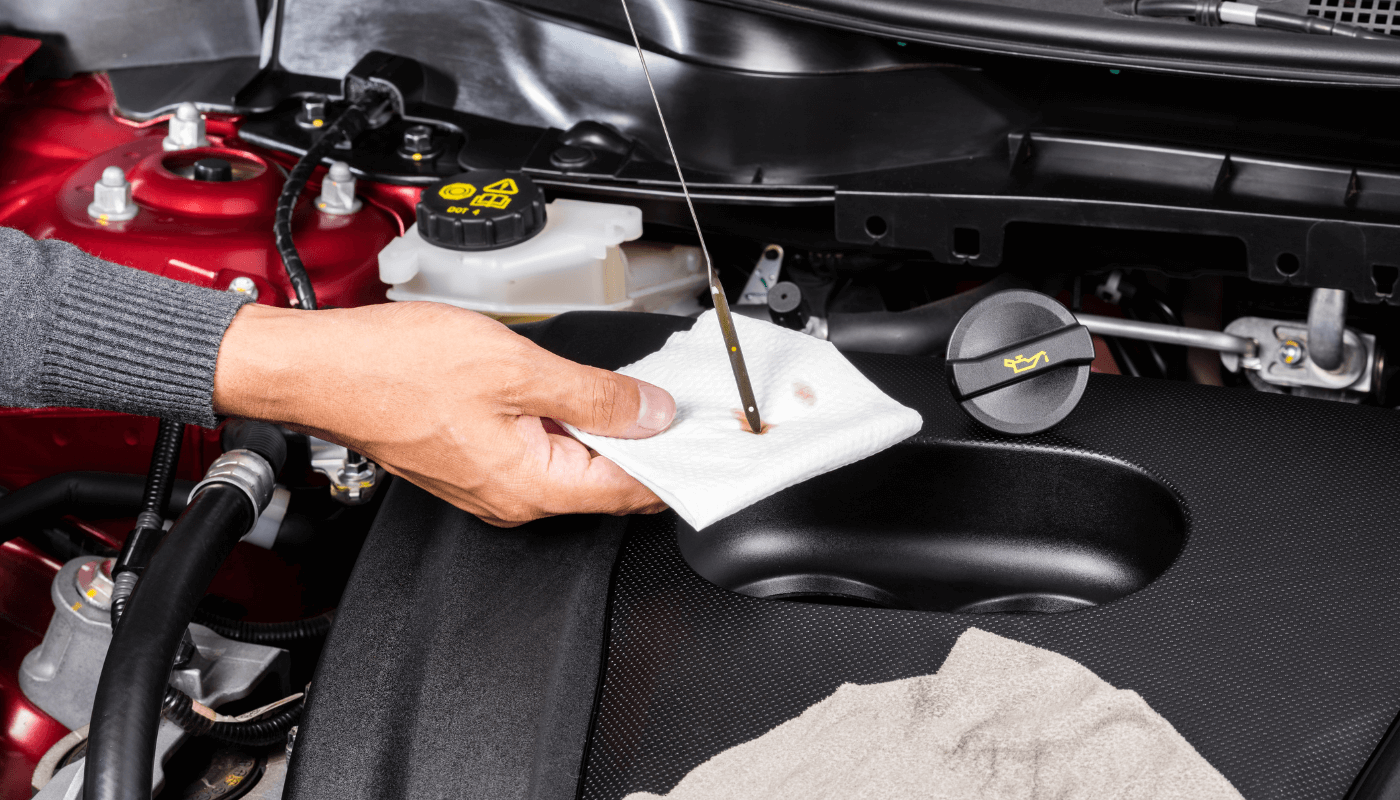
This process includes regularly checking all mechanical and electrical aspects, ensuring that any wear or potential failure is identified before causing bigger issues.
It is generally a process carried out using a vehicle inspection checklist. Favor a digital checklist tool, prioritizing inspection speed and automatic data entry into control systems.
This makes your analyses easier, avoiding data transfer errors, and also speeds up your routine, since software provides reports and dashboards ready for you to analyze.
Greater control of vehicles and maintenance services
Preventive vehicle inspection makes it possible to identify small faults and schedule services in advance, avoiding larger vehicle breakdowns. This allows corrective maintenance to always be planned, making the process less costly.
To optimize maintenance management and have a more efficient fleet, every intervention must be recorded in a maintenance history, giving managers precise information about what was done, when and by whom.
This makes future preventive maintenance scheduling easier, minimizes the chances of emergency corrective maintenance and helps keep costs under control.
Generating data for analysis
Efficient maintenance management generates a large volume of data that can be analyzed to detect patterns and trends. It also allows managers to keep track of overall fleet performance, identifying areas that require special and priority attention.
With this approach, also called data-driven (or “data-driven management”), you have more reliable information for making evidence-based decisions.
Whether these relate to maintenance scheduling, vehicle replacement or financial planning for future fleet investments, you will be equipped with the best data and reports.
Better vehicle performance and quality
Well-maintained vehicles tend to have better fuel efficiency, fewer mechanical failures and greater reliability, contributing to the overall quality of transport operations.
Maintenance management ensures precisely that vehicles are kept in their ideal conditions of use.
This can result in benefits such as fewer fines and legal penalties, as well as strengthening the company’s corporate image as responsible and reliable.
Lower operating costs
This is achieved by reducing the need for urgent and expensive repairs, extending vehicle useful life and optimizing fuel consumption.
In addition, unplanned maintenance can also cause delays and route reassignments, which end up incurring additional costs.
Visibility of vehicles needing repairs
One of the impacts of maintenance management is increased visibility into each vehicle, ensuring that maintenance teams can act before small issues become larger failures.
This also makes spare parts inventory management easier, ensuring that the necessary items are available when needed, without overstocking or shortages
Most importantly, the fleet is now always ready to meet the company’s demands.
What are the benefits of fleet maintenance management?
Fleet maintenance management is a management process covering all company vehicles and is essential to keeping the fleet running. It involves a dedicated department responsible for checking vehicles and keeping them in ideal condition.
The main benefits of maintenance management include:
- Maximizing vehicle availability
One of the main benefits of this management is helping understand which vehicles are running and which are out of service, so they can be sent for the appropriate repairs.
Beyond ensuring quick action for damaged vehicles, one of the benefits and impacts of fleet maintenance management is preventing the company from having a high rate of vehicle unavailability. In other words, avoiding interruption of its transport activities.
- Improved vehicle allocation
By taking each vehicle’s particular characteristics into account, data generated by maintenance management serves to create a vehicle schedule that meets the company’s routes more accurately.
This covers all areas of operation with the vehicles best suited to the planned road type — and reduces the damage caused to each one.
- Higher service quality and support for sustainability
All these points lead to improved service quality at your company. Currently, with growing demand for sustainable actions in the fleet, the maintenance department also becomes an avenue for implementing some green practices in your operation.
This includes both controlling each vehicle’s pollutant emissions and proper disposal of parts, oils and lubricants when necessary.
How can you manage fleet maintenance efficiently?
Assigning responsibility
To achieve maintenance management objectives, it is essential to have a specific person responsible for the department: the maintenance manager. They will check every point indispensable to keeping vehicles running as well as possible.
If the company does not have sufficient resources for such a role, the fleet manager takes the lead on maintenance control. To do so, it is important for them to have appropriate knowledge and training, such as a maintenance management course.
Keeping track of vehicles and indicators
In general, your main focus should be on controlling the activities performed by vehicles and the maintenance services each has undergone. This includes understanding each vehicle’s completed route, trip duration and mileage covered.
Another point that should be part of maintenance control is taking care to analyze vehicle indicators, such as fuel consumption or tire condition. These points help predict certain expenses and bring forward some types of service, such as balancing, alignment, etc.
Implementing a maintenance management system
Using systems can automate oversight and report generation, making the process more efficient and less susceptible to human error.
Depending on the features of the system you subscribe to, you can receive alerts about upcoming maintenance, automate preventive maintenance, connect to the electronic checklist and generate reports with the vehicles’ main maintenance indicators.
Maintenance schedule and team training
It is essential to establish a well-defined maintenance schedule and ensure that the entire maintenance team is properly informed about it. This ensures maintenance takes place systematically and in an organized way.
It is also important for the maintenance team to receive ongoing training in best practices and new industry technologies. Proper training avoids failures in maintenance execution and prevents information from being lost due to improper use of technology.
Start by getting to know one of the innovative technologies for managing your fleet’s maintenance. Schedule a free Prolog App demonstration.
Frequently asked questions
I only repair things when they break. What changes if I structure maintenance management?
Does using a paper or digital checklist change the outcome?
Who handles maintenance if the company does not have a maintenance manager?
What should I keep track of to know whether maintenance is under control?
Does maintenance management relate to ESG?
How does maintenance management improve the allocation of vehicles to routes?
// newsletter
Fleet management content, straight to your inbox
Articles on tires, maintenance and fleet operations. No spam.