How to increase productivity with digital tools
 Luiz Felipe 4 min read
Productivity is directly related to cost reduction and process improvement in transport operations. Today, increasing productivity with digital tools is an important alternative for removing rework from the routine and bringing greater clarity to management.
Shall we take a closer look?
Trusting your team's work is essential to running a successful transport and logistics company. In the same way, investing in technologies that make work easier does not mean your team is not good or qualified, only that you are making employees' work easier.
Instead of a driver having to write down all driving and rest times by hand, they can simply use an app and a fleet monitoring system that automates these data records.
And this is just one example among many! Take a look at 6 other ways to increase productivity with digital tools.
Financial management
Managing cash flow is a lot of work in any company. For a transport company, which has large and variable costs for fuel, tires, unexpected events, etc., the losses from poor planning can be even greater.
That is why a digital tool that automates financial processes is very beneficial.
You (or the other people responsible) simply need to enter incoming and outgoing amounts whenever they occur, keep up with routine checks and use the software to organize the rest of the process.
Customer relationship management
Good customer relationships are a fundamental part of building loyalty and earning recurring profit. Systems that help with this mission are a good choice.
At the very least, you need a system to register your customer base, right? That is already part of keeping records to understand who is buying from you and some of their behavior patterns.
Ideally, you should have access to something more comprehensive, where notifications are sent automatically. Customers are updated, for example, when their purchase is on its way and about its delivery progress.
Some companies also invest in scheduled deliveries, with an advance conversation in which the customer chooses the day and time they will be home to receive their order.
Route planning system
Your fleet needs optimized routes that take departure time, traffic, vehicle size and weight into account, among other information.
Sometimes taking a longer route to avoid red lights pays off more.
How can you find this out? Through fleet route planning systems. Some even work with artificial intelligence. In other words, the more you use them and drive through cities, the better the system understands the best routes to take!
Routine organization systems
You do not need to use highly sophisticated, modern systems (although you can, of course): simpler task management tools may do the job. It is worth implementing, testing and analyzing what works in your transport company.
Some examples are Trello, Notion and Evernote.
Each person knows what they have to do day to day, but organizing tasks allows them to find the best times to fit in new work or change the order of tasks when higher priorities arise.
Report and analysis automation
Automation is one of the keys to productivity. Even more so when it comes to reports and analysis.
You know what goes into creating a report and producing an analysis, right?
Especially how long it takes to check all the information! Whether in a spreadsheet or paper notes, it takes time to go through every piece of data, line by line, and transfer it to a new document where you will actually begin your analysis.
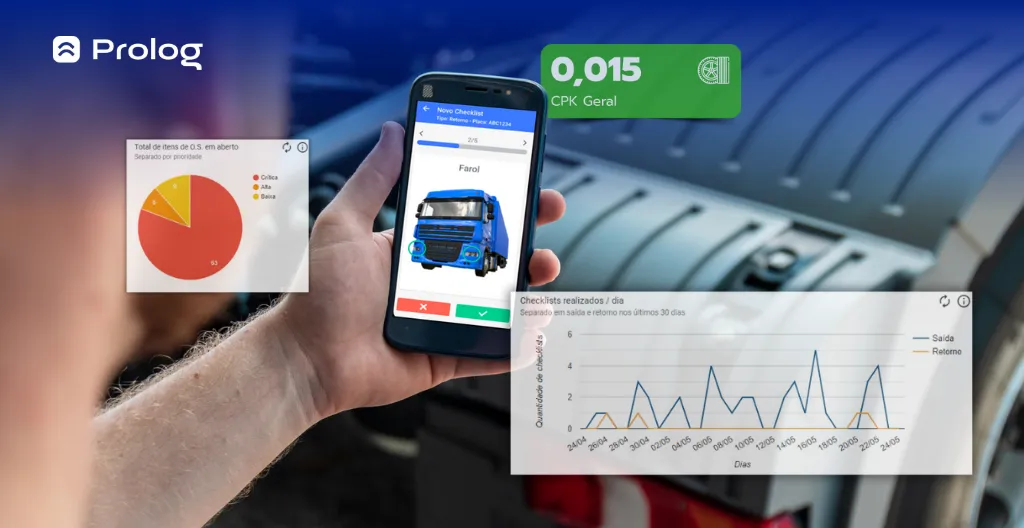
So when looking for a system that automates this type of task, assess how it collects, organizes and presents information. Reports, charts and dashboards help turn raw data into information that is easier to analyze, provided the data are correct and the usage routine is well defined.
Logistics control tower, B: digital tool integration
To achieve truly productive transport operations and management, invest in models that can bring your fleet's most important information together in one place.
A logistics control tower is the most comprehensive means of achieving this integrated view. A business intelligence system, in turn, can support analysis by bringing together technological processes for collecting, managing and analyzing organizational data, presenting results in reports, charts, maps or dashboards.
Either way, the gains do not come from the tool alone. Integration depends on properly entered data, systems that can communicate with one another and a consistent analysis routine so management can identify problems, trends and opportunities with greater confidence.
Start increasing productivity with digital tools right away by exploring our checklist and tire management solutions—schedule your free demonstration!
See more tips on our YouTube channel too: (video in Portuguese)
Frequently asked questions
Which areas of a transport company gain productivity from digital tools?
My team spends hours putting reports together. Can this be solved?
Do I need a sophisticated system to organize the team's routine?
What is the difference between business intelligence and a logistics control tower?
How can I tell whether the route the fleet currently takes is the best one?
// newsletter
Fleet management content, straight to your inbox
Articles on tires, maintenance and fleet operations. No spam.