How can you assist drivers on the road in real time?
 Jade Zart 3 min read
When a driver is in a difficult situation on the road and needs help, what should they do? Generally, the recommendation is to go to the nearest service station or workshop.
In some cases, companies require the driver to call the manager or supervisor at the operations center before making any decision to ask what to do. In these situations, the manager is often unavailable and does not answer at the time of the incident.
What instructions should the driver receive then? Dealing with the fleet's day-to-day problems is difficult, but several solutions already make these situations easier and faster to handle.
One of them is opening a request in real time. Explore below:
How do you open a request in real time?
To do this, your fleet routine must include some technology with this feature. For example, a type of fleet maintenance system or roadside assistance itself.
What is roadside assistance?
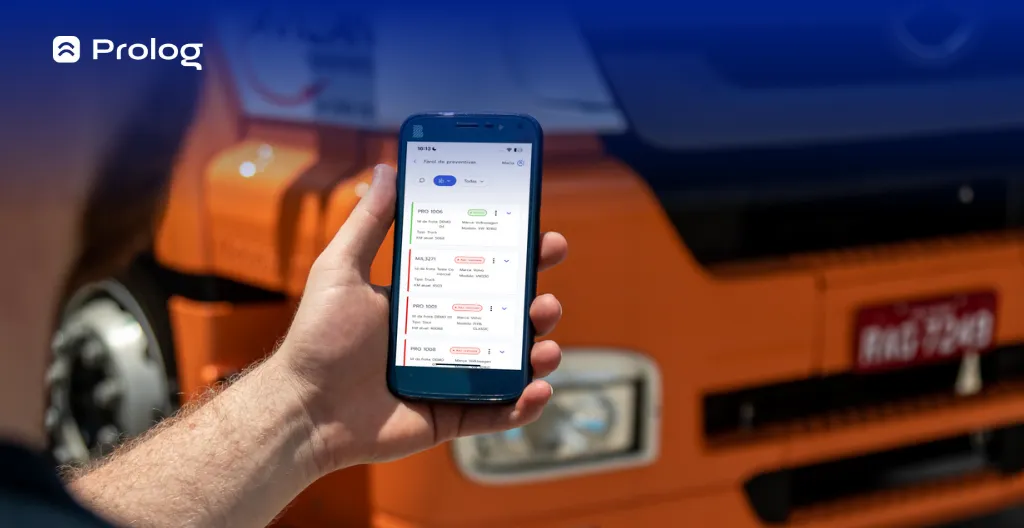
Roadside assistance is part of the Prolog App solutions, with a system focused on addressing the problems and incidents drivers face on the road as quickly as possible.
It is an app installed on each driver's and manager's phone. It can also be accessed through the web system to make computer use easier when necessary.
What is roadside assistance for?
Any request a driver needs to open on the road can (and should) be made through the app. Situations involving a flat tire, a broken headlight, a dead battery and other possible problems are handled with this solution.
In addition to enabling this communication, everything happens in real time. As soon as the request is opened, the manager receives the problem description, the driver's identity and the vehicle being used.
In general, it serves both to enable roadside assistance and to speed up necessary repairs to avoid operational delays.
How does opening a request in real time work?
As soon as the driver identifies the problem, they need to open the app and start a request, describing what happened and what solution they need.
At the operations center, the manager receives the request and identifies the best way to respond.
Why does real-time assistance matter?
The key words have already been mentioned: make things easier and faster. In other words, the roadside assistance system, with requests opened in real time, makes communication between driver and manager easier and speeds up problem resolution.
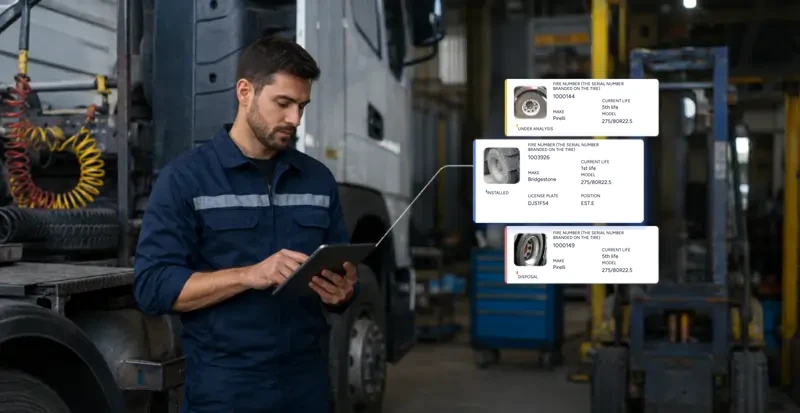
But the benefits go beyond these. As a technological solution, it also enables automatic data collection from requests recorded by drivers, creating a knowledge base to which the manager has free access.
This allows you to analyze the most common problems and those that recur most often, which driver faced the most problems, which license plate had the most requests opened, and so on.
All of this information is essential for making better operational decisions.
For example, if the same driver needed roadside assistance many times within a short period, they may be driving irresponsibly. Your role in this case is to explain appropriate road conduct and arrange the necessary training.
Each situation has different solutions, so analyses should be ongoing.
Another thing the system allows is keeping track of how long the team takes to resolve the problem, also showing the time until repair and the time the truck spends stopped.
This is valuable information for optimizing your transport operations planning and team training.
Explore more features and benefits of the roadside assistance system and how it meets your fleet management needs.
Frequently asked questions
My driver broke down on the road and cannot reach the operations center. What should they do?
How can you reduce the time a truck spends stopped waiting for assistance?
What is the difference between calling the manager and opening a request in the app?
What can you discover by looking at the fleet’s request history?
Do I need a separate system just to open requests on the road?
// newsletter
Fleet management content, straight to your inbox
Articles on tires, maintenance and fleet operations. No spam.