Tire analyst vs. fleet analyst: what each one does
 Jade Zart 4 min read
The tire analyst role is still recent in fleets and transport operations, not least because many companies do not even recognize the need for and importance of structured tire management.
However, those that have a high volume of tires in their fleet and already have a manager are starting to assess the feasibility of a dedicated analyst to help this manager care for the assets and implement activities that contribute to their durability.
Tire management is a strategy that can help reduce waste, make better use of casings and organize decisions about maintenance, retreading and disposal. Savings on fuel and maintenance can also benefit from preserving these items, as long as the routine of inspecting them and keeping track of their condition is well executed.
Read on:
- What a tire analyst does;
- How much a tire analyst earns;
- Why this professional matters in a fleet;
- What education a tire analyst needs;
- Difference between a tire analyst and a fleet analyst.
What does a tire analyst do?
The tire analyst is a professional who focuses on assessing the quality of casings for retreading and the reasons for tire losses in the fleet. In this way, they generate knowledge and bring insights about improvements the manager can apply to prevent problems from recurring.
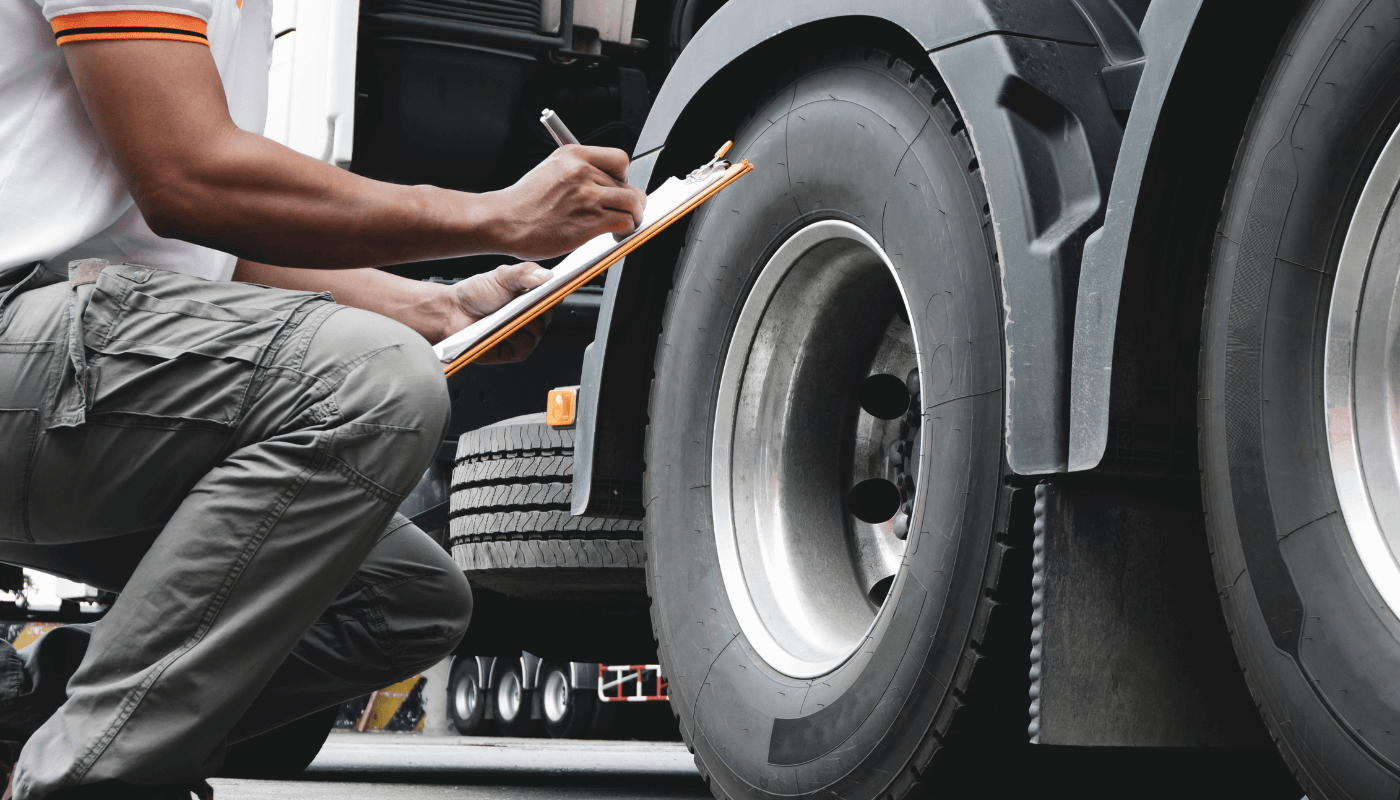
Their duties may also include tire inspection. In other words, measuring the tread depth of the tires in millimeters and measuring the pressure at the scheduled intervals. In maintenance routines, pressure, tread, rotation and alignment are among the most important points of attention; in inspections, it is also worth looking at wear and visible damage.
In addition, in some cases, they are the one who controls the tire inventory, carrying out fire-number branding of the assets, as well as mapping the tires and recording incoming and outgoing parts — along with trips to retreading, maintenance services or disposal.
What is the salary of a tire analyst?
The average salary depends on the region where the professional is located, the experience accumulated and technical education. Since it is still a recent role in fleets, there is no single amount that represents every market situation.
Want to see this in your fleet? Talk to a Prolog specialist
How important is this professional in a fleet?
In small and medium-sized fleets, their presence in the fleet's routine may be questioned. However, for large fleets, their need and importance are undeniable.
In fleet management, it is important that both the manager and the others in charge survey how the operation has been performing, the costs generated and the demands related to tires.
Only then will it be possible to analyze hiring an analyst, in order to optimize the fleet's results.
The number of tires in a transport operation is high, and having only one tire manager to control every stage of managing these assets can cause overload.
When there is a tire analyst alongside them, the manager can focus on controlling the useful life of the tires, especially when they are mounted and in use.
The analyst can also take care of the inventory and focus on the parts that are removed from the vehicle, analyzing the casing for problems such as casing fatigue and the likely reasons for these occurrences.
What education does a tire analyst have?
This professional may be trained as a services technician or have a certified tire management course.
As mentioned, it is still a new profession in the market, and there are not many specific training programs for becoming a tire analyst. That is why these alternatives are usually the starting point for the role.
Beyond that, experience as a fleet maintenance helper or as a fleet assistant can be important for landing the analyst position. After all, these roles involve similar activities.
Essential knowledge for this role is about tires and heavy vehicles. It is also important to know how to identify problems and causes and to come up with solutions that contribute to the analyses and decisions of the tire manager or fleet manager.
Skills of a tire analyst
Some characteristics and skills a tire analyst needs are an analytical and organized profile, since they will be dealing with various activities that require planning, information control and report generation.
They should be quick to carry out their tasks and draw conclusions, in order to help the manager in the mission of increasing tire durability and reducing transport costs.
Skills in building spreadsheets and ease in adapting to new technologies are a useful bonus for generating charts and tables that support the analyses carried out in their work.
Difference between a tire analyst and a fleet analyst
The fleet analyst focuses on general activities related to running the operation and may be responsible for controlling maintenance, documentation and expenses, as well as planning the purchase, sale and replacement of the fleet's vehicles.
The tire analyst, on the other hand, deals exclusively with the fleet's tires, and all their activities are part of the routine of this area.
Want to better understand how tire management works and what kind of professionals you need in your fleet? Check out our free e-book "Tire management guide" by downloading it here (in Portuguese).
Frequently asked questions
What does a tire analyst do?
What is the salary of a tire analyst?
What is the difference between a tire analyst and a fleet analyst?
What education does a tire analyst have?
How important is a tire analyst in a fleet?
// newsletter
Fleet management content, straight to your inbox
Articles on tires, maintenance and fleet operations. No spam.