Semi-trailer tire management without a fixed tractor
 Jean Zart 4 min read
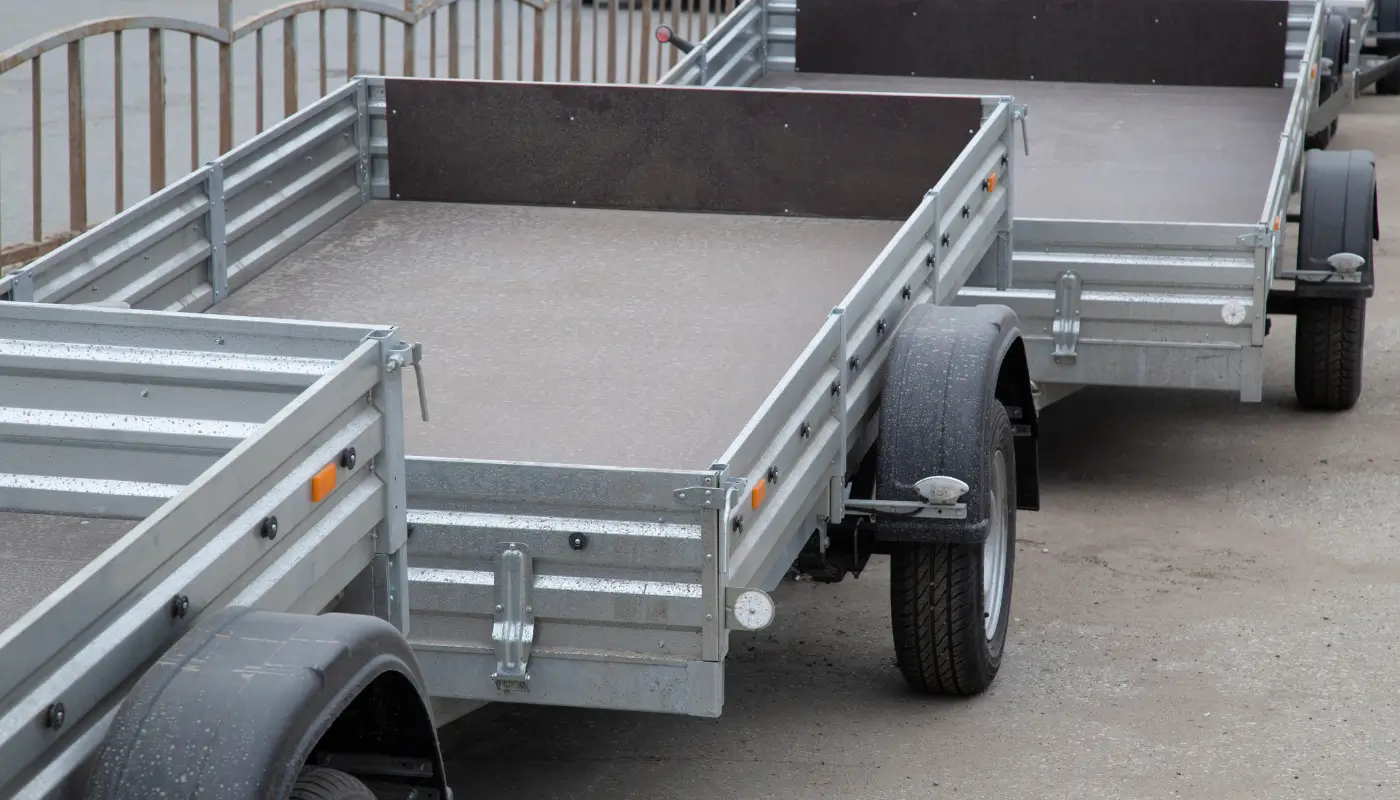
Managing semi-trailer tires without a fixed tractor can be even more complex than on more standardized vehicles.
The lack of a centralized history and efficient tire control can lead to issues such as increased costs, premature wear and even risks to cargo safety.
Fortunately, these scenarios can be avoided with well-structured truck tire management.
Here is a step-by-step guide to efficiently managing the tires of a semi-trailer without a fixed tractor:
- Identify each semi-trailer tire
- Record detailed information in the system
- Check conditions for each operation
- Implement regular rotations
- Analyze performance data
- Automate control with technology
- Train the team in good practices
How do you manage tires on a semi-trailer without a fixed tractor?
Identify each semi-trailer tire
Start by assigning a unique identification to each semi-trailer tire. Use codes or numbers that correspond to a specific position on the semi-trailer, such as “D1” (front 1) or “T4” (rear 4).
This helps keep track of each tire’s history, even if it is replaced or rotated, because keeping track no longer depends solely on the tractor coupled to it at that moment.
A practical tip here is to use a hot-branded ID, labels or QR code devices to make reading and quick recording in the tire management system easier. The serial number or the hot-branded ID itself helps identify each asset individually.
Record detailed information in the system
When the semi-trailer has no fixed tractor, each tire’s history must be centralized and constantly updated. Record information such as:
- Installation date
- Tire make and model
- Tread depth measurement
- Recommended calibration
- History of rotations, retreading and replacements
This allows you to maintain consistent control, even when the semi-trailer is coupled to different tractors. Pressure, tread, rotation and alignment are among the most important aspects of ongoing tire maintenance, so these records need to be clear to the team.
Check conditions for each operation
Before each trip, inspect tire pressure and condition. For semi-trailers that frequently change tractors, this practice is essential, as each towing vehicle may require calibration adjustments or affect tire wear.
Why is this important? When tractors have different configurations, such as weight or suspension type, this can affect semi-trailer tire performance. Without proper calibration, consequences such as uneven wear and premature tire loss can occur; tires with incorrect pressure tend to wear unevenly and increase the cost per kilometer.
Implement regular rotations
Tire rotation is even more important in this scenario, as it distributes wear evenly, regardless of which tractor is coupled to the semi-trailer.
Establish a fixed schedule and record all relocations in the management system. Whenever an inspection finds a concerning condition, call a tire professional to assess the case before keeping the equipment in operation.
Analyze performance data
Use collected data on fuel consumption, tire wear and retreading needs to identify patterns. For example:
- Do some tires wear faster when coupled to certain tractors?
- Do certain routes or load types affect performance unevenly?
These analyses help adjust maintenance and operating strategies. It is also worth keeping track of each tire’s cost per kilometer, because this indicator shows how much it costs to travel a distance with that asset and can be influenced by factors such as vehicle weight, tire pressure and tire size.
Automate control with technology
To simplify management, use tire management systems that allow you to record, centralize and consult information on tire inspection, relocation and maintenance. The main point is to keep the history tied to the tire, with records made by the team at every check, replacement, rotation or service.
With this control, the operation can see when pressure outside the recommended range, a difference in wear or a sequence of maintenance services starts to recur. These signs help prioritize inspections, decide whether the tire should remain in use and correct the process before the issue becomes a greater cost.
Alternatively, an inspection using an electronic tread probe can record and analyze tread depth data over time to identify when to replace tires and send them for retreading to extend their useful life in the fleet. Keeping track of tread depth helps guide retreading or replacement and keep the cost per kilometer under control.
Train the team in good practices
Drivers and maintenance teams must agree on the importance of tire care. Train them to:
- Perform inspections before and after every trip.
- Report anomalies, such as uneven wear or inadequate pressure.
- Update system records whenever there are replacements, rotations or maintenance.
As you may have noticed, efficient tire management on a semi-trailer without a fixed tractor requires organization and suitable tools.
Want to start optimizing your fleet’s tire management now? Schedule a demonstration with our specialists and learn how Prolog can be incorporated to generate greater savings and safety in your operations.
Frequently asked questions
My semi-trailers change tractors all the time and I lose the tire history. How can I resolve this?
What information should I record about each tire on a semi-trailer?
My semi-trailer tires are wearing unevenly. What should I investigate first?
How can I use tire data to decide what to change in the operation?
What changes when an electronic tread probe is used for tire inspections?
// newsletter
Fleet management content, straight to your inbox
Articles on tires, maintenance and fleet operations. No spam.