Autonomous maintenance: 3 tasks and 7 implementation steps
 Jade Zart 7 min read
As maintenance management practices have advanced, different types of maintenance have been used to reduce downtime, organize routines and control costs. Autonomous maintenance is one of these models.
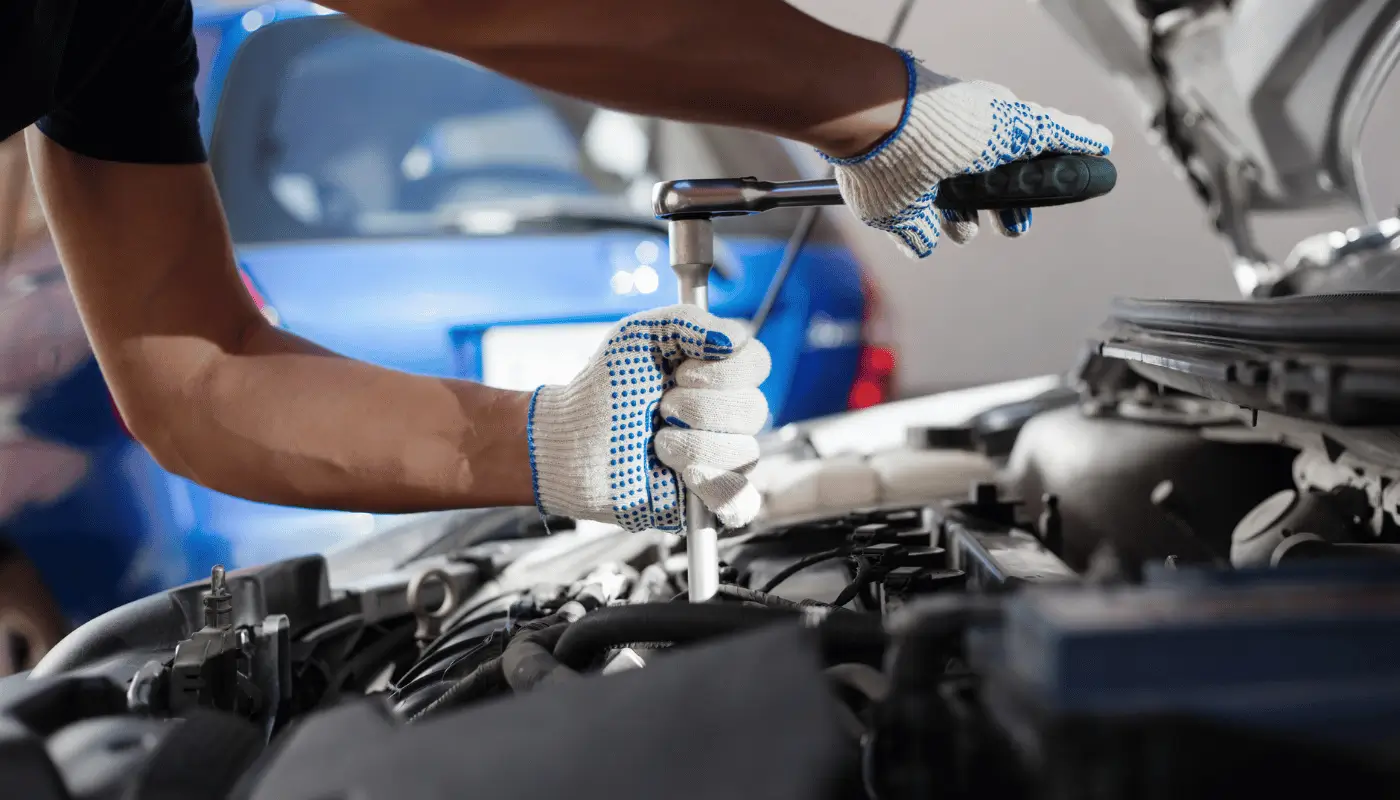
It is a style of maintenance that gives equipment operators or vehicle drivers greater participation. In a fleet, drivers take an active role in routine care, such as cleaning, visual inspection, identifying signs of failure and promptly communicating what maintenance needs to address.
For drivers, this is beneficial because the vehicle tends to receive closer attention each day, without small signs being ignored until they become bigger problems. Even so, autonomy must come with training, clear procedures and limits: technical or safety activities, or those requiring tools and qualifications, must remain the responsibility of the workshop or authorized professionals.
For managers, meanwhile, the benefit lies in making routine care more visible, reducing the risk of idle time due to faults that could have been noticed earlier and strengthening drivers' sense of responsibility. This does not mean transferring all maintenance to drivers, but bringing operations and the workshop closer together so that each area acts at the right time.
Read on to learn more:
- What does autonomous maintenance mean?
- What is the autonomous maintenance pillar?
- What is the purpose of autonomous maintenance?
- The importance and benefits of autonomous maintenance
- How does autonomous maintenance work in a fleet?
- What are the 3 tasks of autonomous maintenance?
- What are the 7 steps of autonomous maintenance?
What does autonomous maintenance mean?
Autonomous maintenance is a maintenance model for machinery, equipment and vehicles that provides training and autonomy for machine operators or vehicle drivers.
It is one of the methodologies used in maintenance management, especially in operations seeking to bring daily asset care closer to the people who use the asset. In TPM, operators' participation in routine maintenance, improvements and simple repairs is part of involving operations in caring for equipment.
In practice, this does not replace specialized technicians and mechanics. The idea is for drivers or operators to know how to clean, observe, inspect, record anomalies and perform only simple tasks when trained, authorized and supported by a safe procedure.
And what is the “autonomous maintenance pillar”?
This model is also part of a maintenance management methodology called Total Productive Maintenance (TPM), which is based on 8 pillars, with autonomous maintenance being the first.
The remaining pillars are continuous improvement, planned maintenance, training and skills development, quality maintenance, initial control, safety, health and the environment, and administrative management.
Within this approach, operators can perform daily activities such as lubricating, cleaning, tightening and inspecting equipment, provided these tasks fall within the standard defined by the operation and each person's training level.
What is the purpose of autonomous maintenance?
One of its objectives is to improve workplace safety by ensuring operators and drivers know the equipment they use better and can recognize symptoms of problems as they begin to appear.
Given the impacts of maintenance management on a transport fleet, autonomous maintenance also aims to increase fleet maintenance efficiency by reducing vehicle idle time and preventing problems from becoming critical.
This efficiency depends on a clear division of responsibilities. Drivers can identify signs, record incidents, keep things clean and follow inspection points. Diagnosis, mechanical repairs, work on critical systems and decisions involving safety must follow the technical maintenance workflow.
The importance and benefits of autonomous maintenance for fleets
Some of the most prominent benefits relate to the maintenance management challenges that arise at various points in a fleet's routine.
Here are the main advantages that show the importance of autonomous maintenance in transport fleets:
- Cost reduction: the idea is to reduce rework, avoidable downtime and emergency services without making drivers a substitute for the workshop.
- Increased vehicle useful life: when drivers know their vehicle well and follow an inspection routine, they can notice signs of wear, leaks, noises or anomalies and call on maintenance before the problem progresses.
- Better operational efficiency: when routine information reaches management and the workshop in an organized way, the vehicle does not need to go through several stages just for a simple problem to be identified. Decision-making becomes faster.
- Addressing possible defects or failures quickly and conveniently: the clearer the inspection and communication standard, the faster a problem can be referred for correction, either by drivers performing a simple authorized task or by the technical team.
How does autonomous maintenance work in a fleet?
In general, the different types of fleet maintenance work in distinct ways and complement each other within a maintenance strategy.
Preventive maintenance organizes regular activities, such as inspections, lubrication and part replacements, according to a defined schedule. Corrective maintenance includes both quick corrections immediately after a breakdown and interventions planned for a later date. Predictive maintenance, in turn, uses technologies and data to anticipate maintenance needs.
Autonomous maintenance works as a way to bring prevention and initial response together in an employee who is close to the vehicle every day. Under this model, tasks such as cleaning, visual inspection, standardized checks, recording anomalies and minor authorized adjustments can become part of the driver's routine.
The key is not to confuse autonomy with improvisation. Oil changes, mechanical interventions and repairs to safety systems should only occur when the company has the procedure, training, authorization and suitable conditions for them. When these requirements are absent, the driver's role is to identify and communicate the problem so the workshop can address the cause.
What are the 3 tasks of autonomous maintenance?
1 – Identifying problems
Through regular vehicle inspection, drivers can identify possible and probable problems. For example, on noticing overheating, unusual noise, a leak or another abnormal sign, they should record the anomaly and trigger the maintenance workflow defined by the fleet.
2 – Eliminating defects
When drivers notice minor faults, they can act only within what they have been trained and authorized to correct. Defects requiring diagnosis, disassembly or specific tools, or involving safety, must be referred to technicians and mechanics.
3 – Preventing failures
Understanding why failures are happening and preventing recurrence can be done with tools such as fault tree analysis or the PDCA cycle. Root cause analysis helps identify corrective actions and create a plan to prevent recurrence; fault tree analysis makes it possible to map potential causal relationships and arrive at the underlying causes.
What are the 7 steps of autonomous maintenance?
To implement autonomous maintenance in your fleet, these seven steps are essential:
- Initial cleaning
At this point, drivers thoroughly clean the vehicle inside and out according to the company's standard. Cleaning helps reveal leaks, damage, loose parts, dirt buildup and other signs that might otherwise go unnoticed.
- Eliminating sources of dirt and hard-to-reach areas
If vehicles are parked at the operations center near sources of dirt such as sand or dust, they need to be relocated to avoid dirt buildup while off the road.
Vehicles should also be positioned according to how often they are used, making them easy to access whenever necessary. These two points help drivers access vehicles and carry out cleaning, inspection and communication tasks quickly and conveniently.
- Standardizing cleaning and inspection
When planning maintenance management, consider ways to standardize how all tasks are performed, especially cleaning and inspection. This makes it easier to create control parameters, compare records and identify errors when they occur.
- General inspection
At this point, all drivers receive instruction on maintenance theory and practical training to test and improve their skills. The aim is for them to recognize signs of failure, complete records correctly and perform only the simple adjustments included in the procedure.
- Autonomous inspection
Drivers who complete training and achieve the best results begin carrying out inspections on their own, within a fleet-defined standard and under management oversight.
- Organization
Depending on the vehicle maintenance tasks drivers will be able to perform, they need the necessary tools at their disposal. Anything that makes the routine easier so maintenance can be autonomous, safe and standardized should be implemented.
- Consolidating autonomous maintenance
After completing all the other stages, drivers should be able to participate in autonomous maintenance within the limits defined by the operation.
Fleet managers must also be prepared to keep track of the metrics and maintenance indicators that make it possible to understand whether this maintenance strategy and methodology are having positive effects.
Want to learn even more about maintenance management for transport fleets? Download our free “Maintenance Management Guide” here (in Portuguese).
Frequently asked questions
What is autonomous maintenance?
What is the autonomous maintenance pillar in TPM?
What are the 3 tasks of autonomous maintenance?
What are the 7 steps of autonomous maintenance?
What are the benefits of autonomous maintenance for fleets?
How does autonomous maintenance differ from preventive, corrective and predictive maintenance?
// newsletter
Fleet management content, straight to your inbox
Articles on tires, maintenance and fleet operations. No spam.