Main environmental standards in road transport
 Jade Zart 4 min read
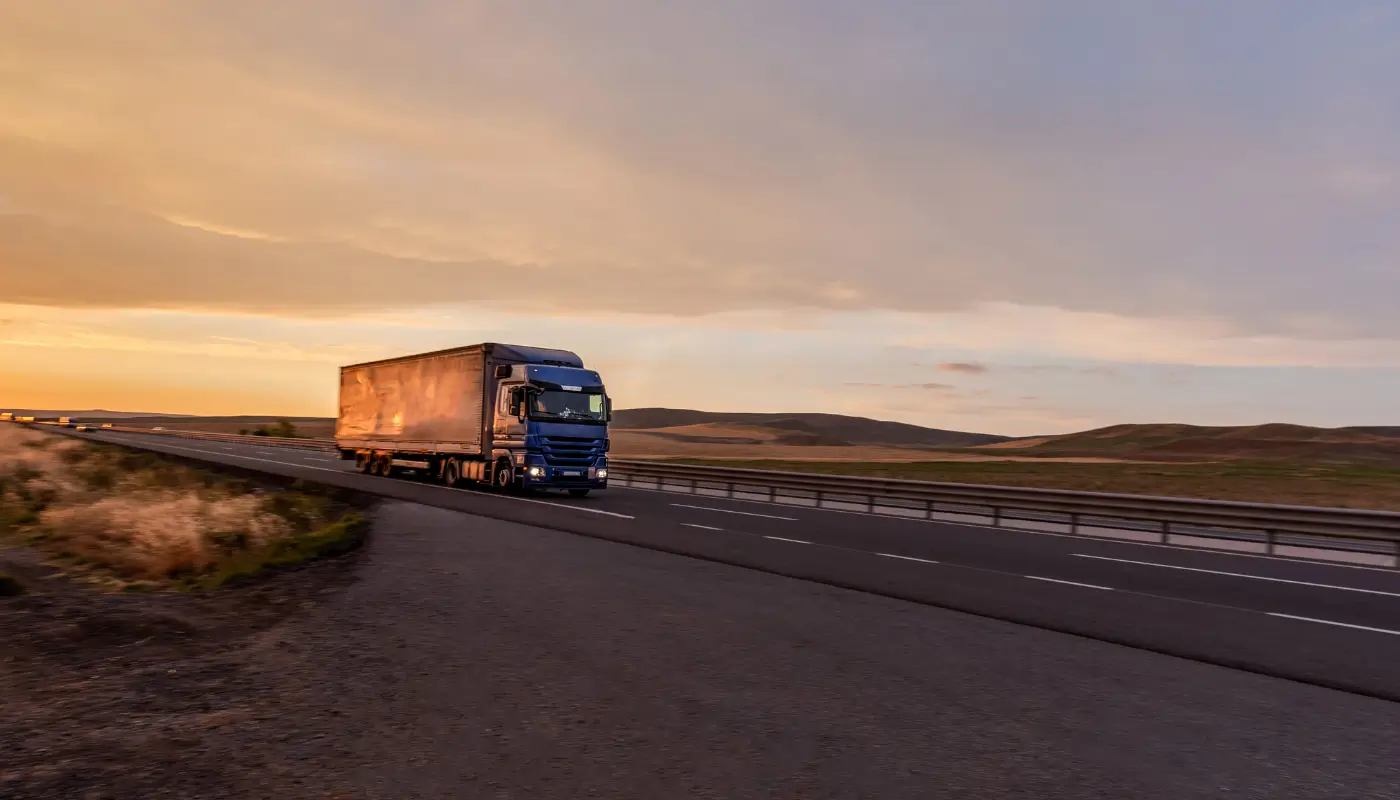
Fleet management faces several challenges, but one of the main ones is compliance with environmental standards for road transport.
This is due to the existence of different standards and specific legislation for the various lines of business within road transport, such as heavy, dangerous and even pharmaceutical cargo.
In addition, the rules to be followed can also vary according to the geographic region, requiring companies to stay up to date on local, state and federal regulations.
This scenario demands constant attention and continuous effort from fleet managers to ensure compliance with all legal requirements, while at the same time seeking to optimize their operations and reduce environmental impact.
Read on:
- What are the main environmental standards for road transport?
- How do green transport policies impact the sector?
What are the main environmental standards for road transport?
In Brazil, road freight transport is regulated by a series of environmental standards designed to reduce the negative impacts of this activity on the environment.
This legislation aims to reduce pollution, promote the sustainable use of natural resources and ensure companies' environmental responsibility.
Among the main standards that directly affect the road transport sector are:
National Solid Waste Policy (PNRS)
The PNRS establishes Brazil's National Solid Waste Policy and sets guidelines for the integrated management and handling of solid waste, including hazardous waste.
This standard is essential for carriers that deal with the collection, transport and disposal of waste, requiring the adoption of sustainable and responsible practices.
NBR 13221
Regulated by the Brazilian Association of Technical Standards (ABNT) and adopted as an official procedure by the National Environment Commission, NBR 13221 sets the rules for the transport of non-hazardous solid waste.
It serves as a reference for the safe and environmentally appropriate transport of these materials, also detailing the guidelines for specific types of waste.
ANTT Resolution 5.998/2022
This resolution of the ANTT, Brazil's National Land Transportation Agency, updates the Regulation for the Road Transport of Dangerous Products and approves its Supplementary Instructions, with provisions on transport conditions, documentation, duties, obligations, responsibilities and applicable infractions.
It came into force on June 1, 2023 and is a reference for ensuring safety in the transport of materials that may pose risks to public health and the environment. Later, ANTT Resolution No. 6.016/2023 and ANTT Resolution No. 6.056/2024 amended ANTT Resolution No. 5.998/2022.
Decree No. 96044 and emergency rules
The decree deals with the transport of dangerous products and provides for guidance from the manufacturer on what should be done and how to act in an emergency.
Under the current regulations reported by the ANTT, carrying the Emergency Sheet and its Envelope is no longer mandatory. Even so, information related to the transport remains available to environmental and civil defense agencies and bodies.
ABNT technical standards
Here, we are talking more specifically about NBR 7500, 7501, 7503, 9735 and 14619. This set of standards establishes procedures and requirements for the land transport of materials, including specifications for vehicles, drivers, types of transport and safety measures.
These standards apply not only to the transport of waste, but to all materials transported by land, ensuring safe and standardized practices.
Constitutional and federal legislation
Some articles and laws that can also be linked to environmental standards for road transport are:
- Art. 225 of the Federal Constitution: establishes the right to an ecologically balanced environment, imposing on the government and on society the duty to defend and preserve it.
- Law No. 6.938 (National Environmental Policy – PNMA): defines environmental licensing as a requirement for potentially polluting activities.
- Articles 104 and 131, Law No. 9.503/1997 (National Traffic Code): include provisions for controlling vehicle emissions, aiming to reduce air pollution.
- Resolutions of CONAMA (the National Environment Council) and Normative Instructions of IBAMA (the Brazilian Institute of Environment and Renewable Natural Resources): range from air quality to pollutant emission limits, establishing standards that motor vehicles must follow.
How do green transport policies impact the sector?
Green transport policies promote the adoption of sustainable practices and clean technologies. In this way, they encourage the reduction of greenhouse gas emissions, the use of alternative fuels and the improvement of vehicles' energy efficiency.
These policies also transform the sector by requiring fleet managers to take a more creative and up-to-date approach to sustainability and ESG practices.
To meet these demands, managers are looking for more economical vehicles with lower emissions and implementing practices such as tire recycling and the proper disposal of waste.
Another impact on the sector ends up being the use of technology. That is because it is generally considered a bureaucratic sector with many manual tasks.
With the emerging need to comply with environmental standards for road transport, adopting new technologies becomes a solution.
For example, fleet managers can incorporate technologies to measure and keep track of carbon emissions, allowing more effective management of their operations' environmental impact.
Stay up to date on the latest trends and insights on sustainable fleet management, ESG in transport and compliance with environmental standards by subscribing to Prolog's free newsletter (in Portuguese).
We are always sharing valuable content and tips there. Subscribe now.
Frequently asked questions
Which environmental standards regulate road freight transport?
What does the PNRS require of a carrier?
Which standard covers the transport of hazardous waste?
Do the ABNT technical standards apply only to waste?
How do green transport policies affect fleet management?
Why is it hard to keep the fleet in environmental compliance?
// newsletter
Fleet management content, straight to your inbox
Articles on tires, maintenance and fleet operations. No spam.