Retreaded tire: what it is, safety and costs
 Jade Zart 4 min read
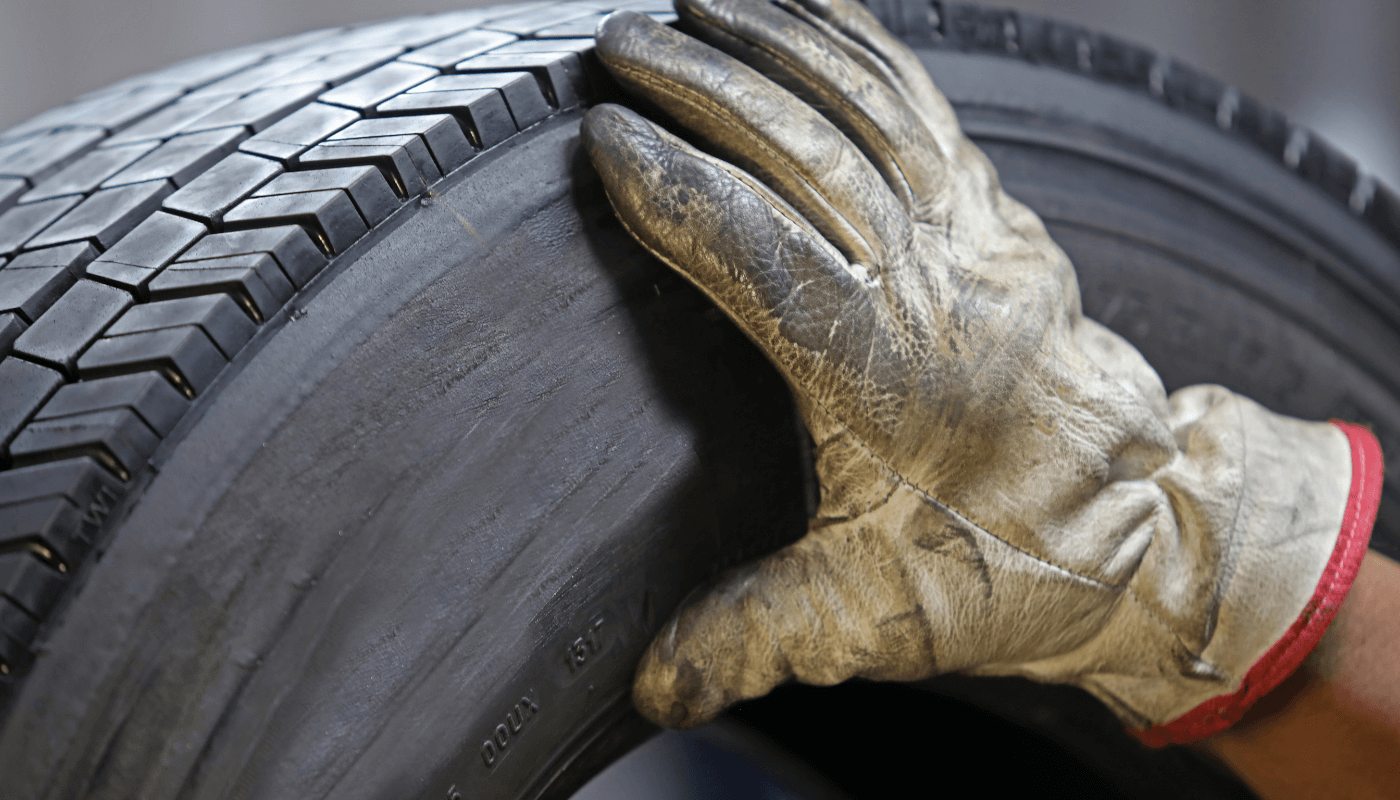
A retreaded tire is a type of tire that has gone through a reconditioning process called retreading.
In this process, worn tires get a new life by reusing the casing and adding a new tread rubber.
In general, this is a practice that sparks curiosity and, at times, questions about its safety and effectiveness.
Given the countless tire options available on the market, understanding what makes a retreaded tire a viable option and to what extent it compares with new tires is fundamental — especially in fleet management.
See below:
- What is a retreaded tire?
- Is it safe to use a retreaded tire?
- What is the difference between retreaded and remolded tires?
- What is the useful life of a retreaded tire?
- What are the advantages of retreaded tires?
- What are the costs of retreaded tires?
What is a retreaded tire?
A retreaded tire is a used tire that has been reconditioned through the retreading process.
In this process, tires that have already reached the tread wear limit, but whose internal structure – known as the casing – is still in good condition, are selected to be renewed.
The worn surface is removed and a new tread is applied, going through a vulcanization process that firmly bonds this new material to the casing.
Retreaded tires are generally used on heavy vehicles, as a way to extend the asset's useful life and reduce operating costs, since new truck tires are more expensive.
In addition, it can also be considered a practice that contributes to sustainability in transport, as it reduces disposal and the need to produce completely new tires.
This holds true, however, only as long as the process is done with quality and provides the safety and assurance of the tires' efficiency.
Is it safe to use a retreaded tire?
When carried out correctly, retreading is a safe process that does not compromise the tire's structural integrity.
Retreaded tires undergo tests that follow safety standards set by regulatory bodies, such as INMETRO, Brazil's National Institute of Metrology, ensuring that they meet pre-established criteria before being reintroduced to the market.
To ensure the safety of retreaded tires, it is essential that retreading be done by qualified professionals and that the tire casing be in suitable condition for reconditioning.
In addition, proper use and regular maintenance are fundamental to ensure the continued safety of retreaded tires.
What is the difference between retreaded and remolded tires?
The difference between retreaded and remolded tires lies in the renewal process each type undergoes.
Retreaded tires receive a new tread, which is the tire's point of contact with the road, applied over the original casing, which has remained in good condition.
Remolded tires, on the other hand, go through a more comprehensive process, in which not only the tread is replaced, but the tire's entire outer surface is also redone, giving the tire the appearance of a new one.
Comparison between new and retreaded tires
When comparing retreaded tires with new tires, the clearest difference is their origin: new tires are freshly manufactured, while retreaded tires are tires that have been used and reconditioned.
In terms of tire performance, new models offer a greater guarantee of brand-new materials and structure, with no history of wear or repairs.
Retreaded tires, when produced by a trusted manufacturer and in accordance with the standards, can match new tires in many respects, although they may have a slightly shorter useful life expectancy compared with new ones.
What is the useful life of a retreaded tire?
The durability of retreaded tires can vary based on factors such as: the quality of the retreading process, the condition of the original casing, and the asset's usage pattern after reconditioning.
In general, a high-quality retreaded tire can offer about 75% of the useful life of a new tire.
This means that if a new tire has an average expected use of 80,000 kilometers, a retreaded tire could, under ideal conditions and with proper maintenance, reach approximately 60,000 kilometers.
What are the advantages of retreaded tires?
Retreaded tires offer some advantages that make them an attractive option for efficient fleet management, the main ones being:
- Cost savings: retreaded tires are more affordable than new ones, providing direct savings on purchase.
- Reduced environmental impact: reusing tire casings reduces waste disposal and saves the resources needed to manufacture new tires.
- Return on Investment (tire ROI): the extended life cycle of retreaded tires maximizes the value obtained from the initial investment in the asset.
What are the costs of retreaded tires?
Retreaded tires can cost, on average, 20% less than new tires, but they can reach up to 50% of the price of a new truck tire, depending on the region.
However, it is important to consider not only the initial cost, but also the cost per kilometer driven of this type of tire and its useful life.
This is because a retreaded tire often has lower durability than a new tire, so you need to understand whether this investment is worthwhile and whether it is actually generating savings in your fleet management.
Want to keep learning how fleet tires work and how to generate savings? Subscribe to our free newsletter (in Portuguese) to receive more valuable insights and stay up to date with the best practices in fleet management.
Frequently asked questions
Is it safe to drive on a retreaded tire?
What is the difference between a retreaded tire and a remolded tire?
How many kilometers does a retreaded tire usually last?
How much does a retreaded tire cost compared with a new one?
Is a retreaded tire equivalent to a new tire?
Why do heavy vehicle fleets adopt retreaded tires?
// newsletter
Fleet management content, straight to your inbox
Articles on tires, maintenance and fleet operations. No spam.