Drivability: what it is and how the tire affects it
 Luiz Felipe 4 min read
Tire drivability is a factor that determines comfort when driving a route.
However, it is not something determined by manufacturers, but a set of elements that make it more or less easy to drive a vehicle.
For example, a tire that has already reached a critical level of wear will have low drivability, because a simple action, such as braking the vehicle, is no longer carried out correctly. Learn more below:
- What is tire drivability?
- What determines tire drivability?
- What impairs tire drivability?
- Is it possible to increase tire drivability?
What is tire drivability?
Tire drivability is how comfortable and easy it is to drive the vehicle on which the tire is installed.
There are some issues that affect it, such as the tire calibration pressure. If the tire is underinflated, it makes the vehicle heavier to drive, which hinders the driver. In other words, at that moment, drivability is lower than with the correct calibration.
What determines tire drivability?
Types of tread
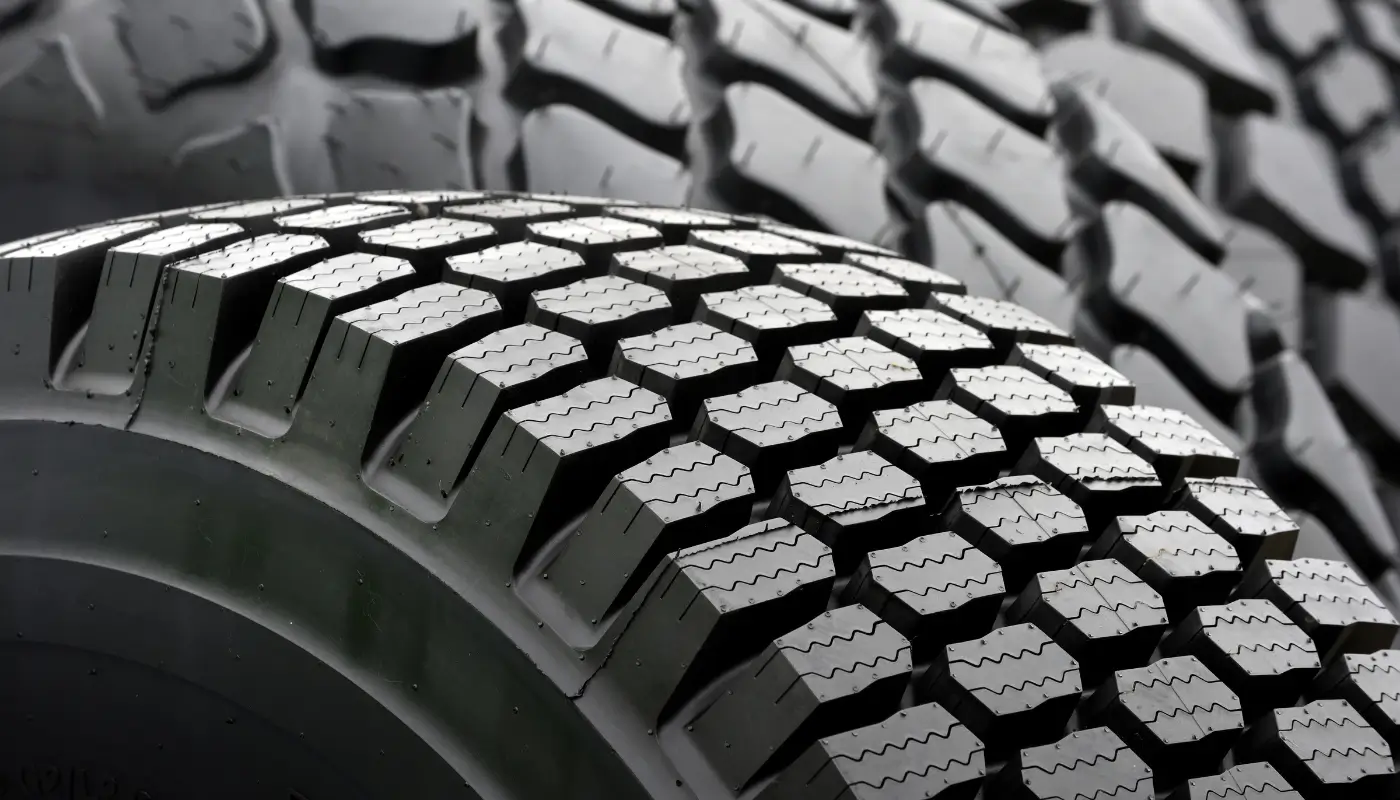
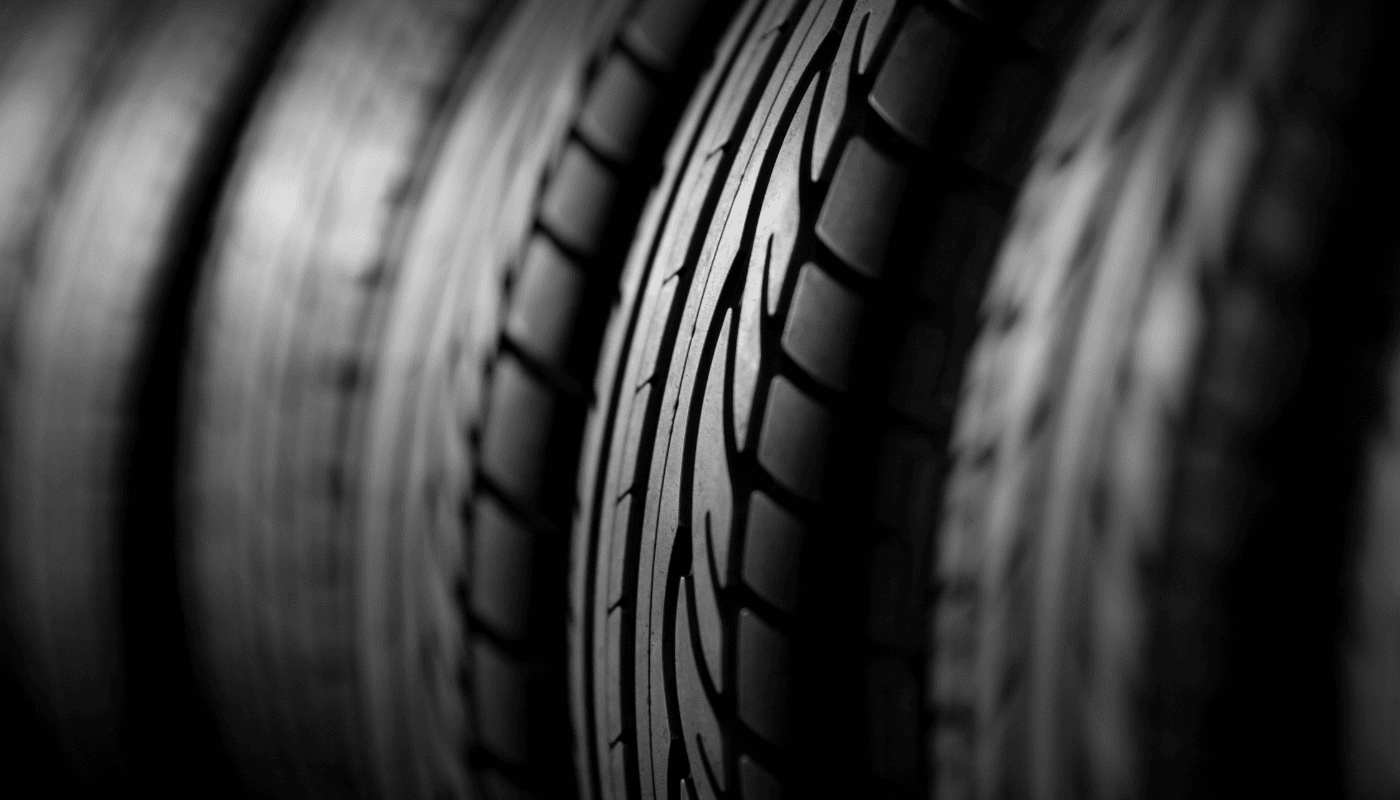
The tread is where the tire's grooves and channels are. These can come in different shapes, offering better drivability in certain situations. For example:
- Asymmetric tire: improves drivability in curves, because it has grooves in different directions that allow better vehicle balance.
- Directional tire: has better drivability than the others on wet roads, because it helps water drain in a single direction.
- Symmetric tire: has average drivability overall, being an all-purpose tire for various situations.
Tire grip
The type of tread already has a direct impact on tire grip, as does the tread depth of each model. In short, the deeper the grooves, the greater the grip on the ground.
You can assess the tire's grip and the type of road the vehicle will face, in order to use the models best suited to the operation and that will give the driver a guarantee of better tire drivability.
In other words, this is another determining factor for drivability:
Choosing the type of tire for the road
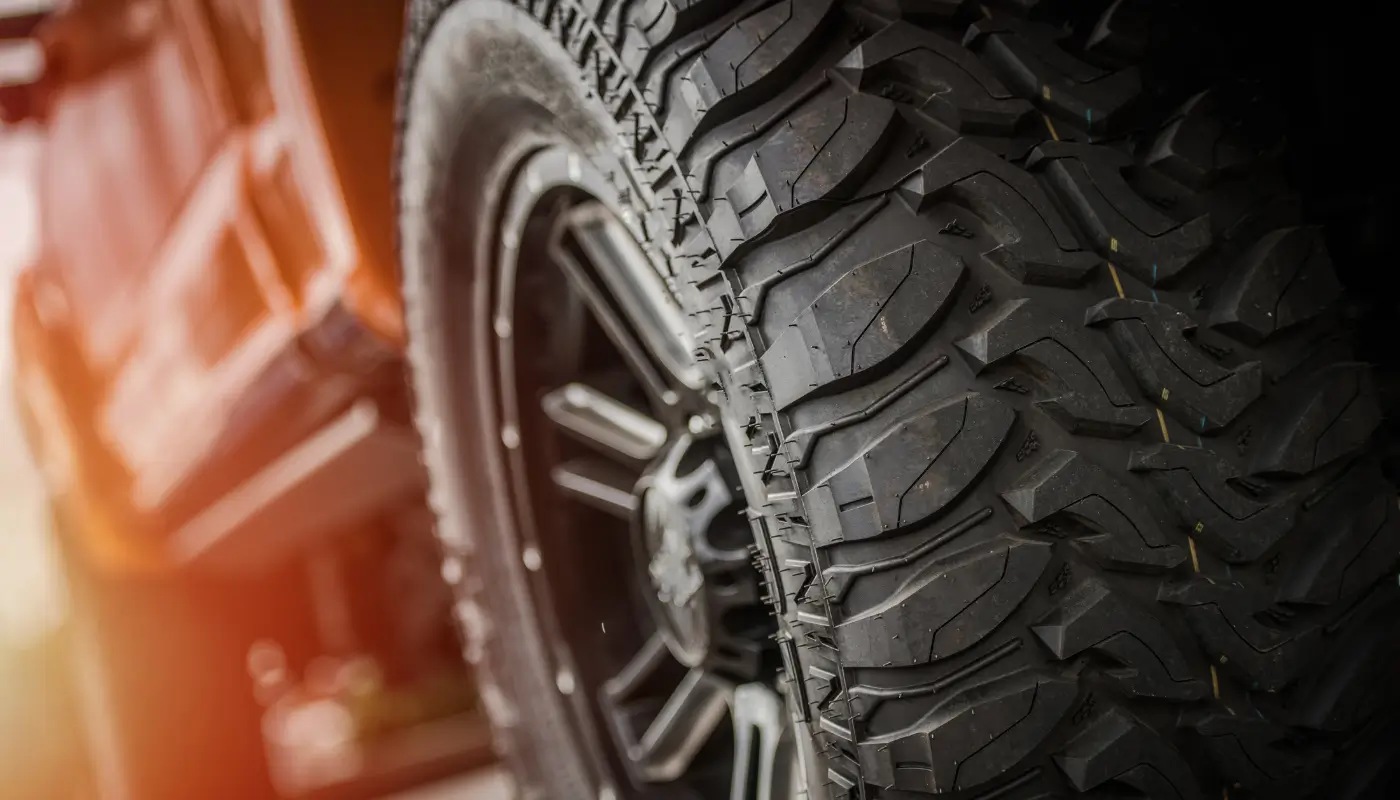
If you use an off-road model on asphalt, drivability will be affected. The driver feels that comfort is reduced, in addition to needing greater effort, whether when accelerating, braking or shifting gears.
In addition, the vehicle's performance will be lower and its operating costs, higher.
Casing structure
A tire's casing is what creates the structure of the part, allowing the rest of the tire to be assembled. Its functions include:
- Supporting the vehicle's weight;
- Resisting external pressures, generated by impacts on the road;
- Withstanding the stresses generated by engine torque;
- Withstanding the heating of the rubber when running at high speed.
Given this, it needs to be in good condition to provide driving comfort, as well as good tire drivability when driving the vehicle. It is also essential that it is not damaged so that tire retreading is possible, increasing the durability of the assets.
What impairs tire drivability?
Driving habits
Just as inappropriate driving habits cause problems in the vehicle's structure, increase fuel costs and generate traffic fines, they also influence tire drivability.
That is because they can increase tire wear and affect the vehicle's balance and stability, making driving uncomfortable and increasing the risks of running a route.
Some examples of bad driving habits include:
- Driving at high speed;
- Accelerating and braking without control;
- Scraping the tire against the curb;
- Driving over potholes in the road;
- Not slowing down at speed bumps.
Neglecting maintenance services
A vehicle's maintenance services exist so that it works in the best possible way, providing ideal running conditions and avoiding breakdowns or failures on the routes driven.
Services such as balancing or alignment are essential for the vehicle to move without improper motion, such as swaying too much or shaking. If they are not carried out as they should be, they will have consequences for the tires.
In this case, the tires receive shocks directly from the vehicle, in addition to withstanding the impacts of the road. Besides reducing tire drivability, this causes damage that can be irreversible and lead to the early loss of the assets.
Tire calibration
Underinflated tires are the cause of many problems, such as bulges, cuts and scratches in the rubber, in addition to accentuated wear on the part's shoulders. Given all these factors, it could not be otherwise: it also affects the drivability of the assets.
If these problems recur, the vehicle needs greater effort, also burning more fuel, to move and gain speed. This way, it becomes noticeable to the driver that something may be wrong.
Load weight
As in the situation of underinflated tires, excessive load weight increases the engine's effort to burn fuel and move the vehicle. In other words: it impairs drivability.
Is it possible to increase tire drivability?
It is not possible to increase tire drivability, but there are good driving practices and actions that can help keep tire drivability from being affected.
Managing driver behavior, avoiding overloading vehicles and carrying out the fleet's maintenance management and tire management are essential for a tire's drivability, but also for the proper functioning of transport operations.
In addition, you can pay closer attention when planning a route and choosing the most suitable vehicle and/or tire for it.
Check out even more tips and curiosities about tires in our complete and free material “History of Tires” — download it here (in Portuguese).
Frequently asked questions
What is tire drivability?
Which factors determine tire drivability?
What impairs tire drivability?
Is it possible to increase tire drivability?
// newsletter
Fleet management content, straight to your inbox
Articles on tires, maintenance and fleet operations. No spam.