
Truck tire lateral scrubbing: causes and prevention
 Luiz Felipe 3 min read

Lateral scrubbing is a type of wear that affects truck tires. The main reasons behind this issue are careless driving and a lack of maintenance.
We know that tires are the truck parts that bear the most pressure during freight transport. That is why it is essential to take a series of preventive measures to help care for them.
When logistics involves a fleet, knowing ways to avoid tire setbacks becomes even more important. This is because the financial impact can be substantial when tires are not managed properly.
Although it is not a widely discussed subject, it happens frequently, so today we will learn what lateral scrubbing is, why it occurs and the best ways to prevent it.
1. What is tire lateral scrubbing?
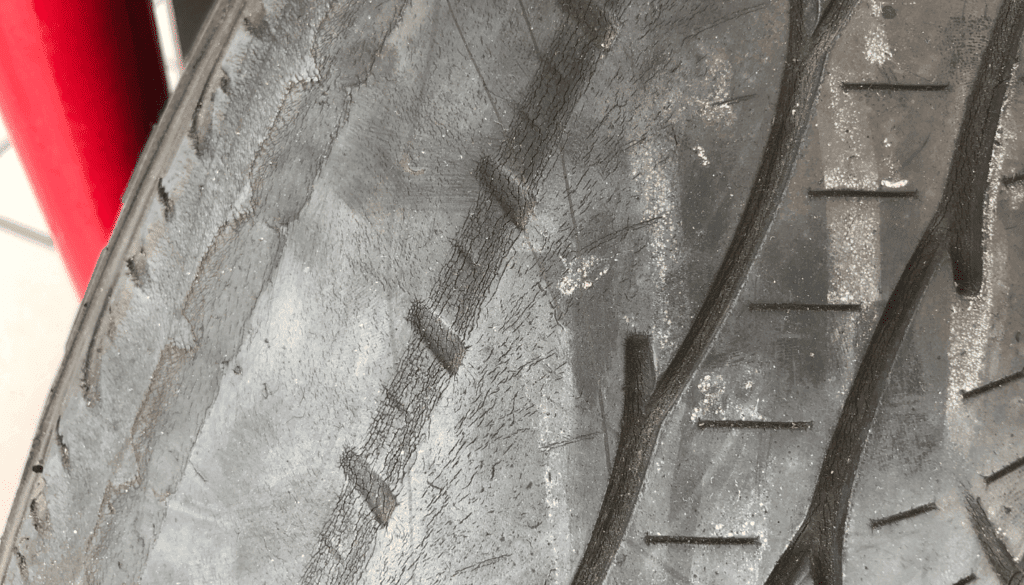
Lateral scrubbing on a tire.
Lateral scrubbing is straightforward: it is simply a type of wear caused by vehicle misuse, which can damage its components, compromise tire safety and even invalidate its warranty.
When affected by lateral scrubbing, the tire shows:
- Sideways slipping;
- Damage to the tread bars or blocks;
- Cracks on the shoulders and groove edges.
All of these consequences reduce the tire's useful life.
Want to see this in your fleet? Talk to a Prolog specialist
2. How does lateral scrubbing happen?
Tire lateral scrubbing happens mainly because of a lack of balancing and vehicle alignment.
It also results from tight maneuvers on bends and in small yards, as well as exceeding the load weight limit indicated by the truck manufacturer.
Tires on heavy vehicles, such as trucks and buses, already bear greater load pressure because of their sizes and weights.
When overloaded through driver negligence or a lack of servicing, their structures are damaged and, automatically, their time in use is reduced.
3. Why is preventing lateral scrubbing important?
Tires are the components under the greatest strain during truck trips because of the weight carried, changing weather, different types of roads and highways in very poor condition.
These external factors naturally harm their structure. However, it becomes even worse when drivers are careless and the tires do not receive the recommended maintenance.
The safety tires should provide during the trip is reduced, as is their useful life.
Beyond being expensive items that generate losses for the company, a lack of servicing can cause unexpected problems during deliveries, accidents involving drivers and cargo loss.
Even the vehicle warranty may be lost, since lateral scrubbing is caused by human negligence.
4. What precautions prevent lateral scrubbing?
Some precautions should be part of every vehicle's routine and are also the main ways to prevent lateral scrubbing:
Defensive driving
It is essential for drivers to know the limits of the truck they drive. Ideally, they should avoid tight bends, excessive speed, sudden braking, abrupt acceleration and weight above what the manufacturing manual recommends.
The logistics company should also offer courses or talks that keep drivers informed about the importance of defensive driving.
Tire rotation
The outer side of the tires suffers more damage from harmful debris, since it faces the roads.
Rotation is recommended every 10,000 kilometers traveled, making wear more uniform.
Check the tire grooves
It is important to pay attention to tread depth, since the grooves make it possible to recognize premature and irregular tire wear. They must not go beyond the 1.6 mm limit, right?
Beyond this limit, the tire is considered bald and the risks of a road accident increase considerably.
Have alignment and balancing performed
Vehicle alignment and balancing help avoid overloading the tires and are essential actions to prevent lateral scrubbing. Like rotation, they are recommended every 10,000 kilometers traveled.
Tire management is a great way to manage tires and keep servicing under closer control. Driving also becomes safer and tire durability increases, saving the fleet money.
Now, to learn even more about tires, fleets and the logistics world as a whole, visit our YouTube channel:
(video in Portuguese)
Frequently asked questions
How can you identify lateral scrubbing on tires?
What causes lateral scrubbing?
How often should tires be rotated, aligned and balanced?
What is the tread depth limit before a tire is considered bald?
What can drivers do to avoid causing lateral scrubbing?
// newsletter
Fleet management content, straight to your inbox
Articles on tires, maintenance and fleet operations. No spam.


