Fleet nonconformity: what it is and how to identify it
 Luiz Felipe 4 min read
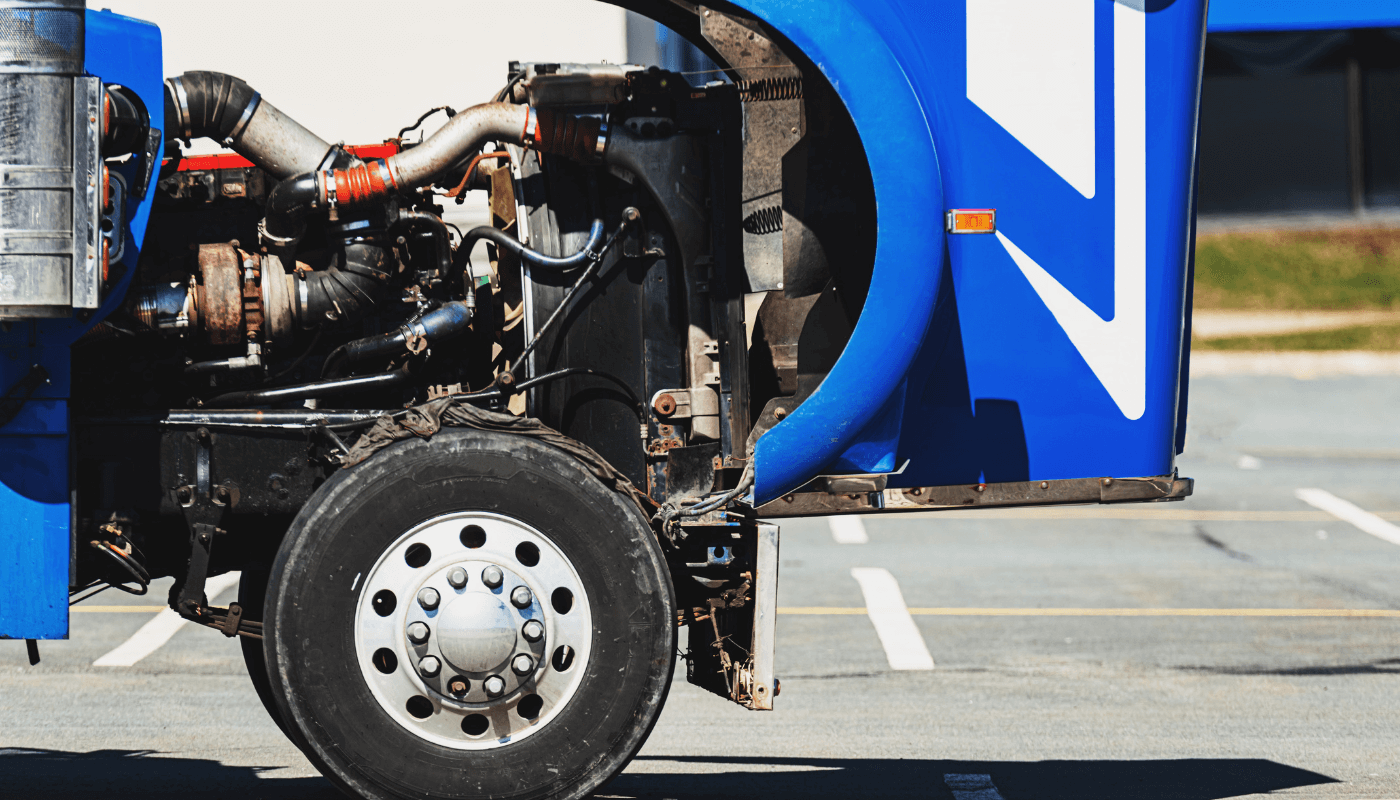
Fleet nonconformity should be avoided so you can ensure safety, efficiency and legal compliance in your transport operations.
Managing a fleet goes beyond keeping vehicles moving; it is also necessary to have maximum quality in the services provided. However, identifying these nonconformities can be challenging and prone to errors.
That is why the electronic checklist is a tool gaining prominence in fleet inspection and maintenance routines. Learn how this modern solution can transform your management.
See below:
- What fleet nonconformities are;
- The challenge of manual identification;
- Solution: electronic checklist for identifying nonconformity.
What is fleet nonconformity?
A fleet nonconformity issue may represent various situations outside the standard of proper operation and safety when driving a vehicle. These irregularities can arise in different forms, generally related to mechanical matters but potentially including other operational aspects.
In general, nonconformities mean something is not happening as it should.
Examples of fleet nonconformity
Mechanical issues
Mechanical failures happen when preventive vehicle inspection is not performed according to a predefined schedule. It is important to check items at specified time intervals or according to mileage — use whichever happens first.
For example, suspension needs checking every 6 months or every 10 thousand km driven.
If mileage is reached before 6 months have passed, this inspection needs to be performed. If 6 months of use pass without completing 10 thousand km, inspection is performed all the same.
Other common failures are in the brake and transmission systems.
Tire wear
Tire wear is a fleet nonconformity because, besides worn tires being an issue in themselves, they also lead to some mechanical failures and structural vehicle damage.
Damage to vehicle bodywork, suspension and damping may result from worn tires, which make the vehicle sway and vibrate more while driving, especially vehicles making long-distance trips at high speeds.
Irregular documentation
Documentation can also enter the nonconformity list if it is past its validity date.
In addition, missing mandatory transport documentation may be a nonconformity and result in fines and even seizure of the vehicle and cargo in some cases.
The importance of fleet compliance
Fleet compliance means operating vehicles according to rules and standards already established, both by Brazilian traffic legislation and by the company's fleet policy.
Nonconformity creates various risks for transport operations, and maintaining compliance is fundamental to reducing fleet risks and accidents. It thus protects drivers and the company from financial and reputational losses.
Maintaining compliance also contributes to a factor indispensable in fleet management today: collecting and analyzing precise vehicle performance data. This is how you will have suitable information to make informed decisions and ensure continuous improvement in your operations.
The challenges of identifying nonconformity manually
1 – Information loss
It is easy to lose information when performing manual processes. Transferring data to spreadsheets or systems can result in losing information critical to your fleet management.
The possibility of misplacing a paper checklist may even cause permanent loss of essential records, which could even contain information to generate a Work Order that would prevent fleet nonconformity.
In addition, there is also the risk of managers forgetting to enter data correctly and ultimately harming information consistency and reliability.
2 – Data entry errors
Another issue the manual process brings is errors that may happen when filling in information, both when completing the checklist and when entering this data into spreadsheets or systems.
Misreading drivers' handwriting and filling in the wrong spreadsheet fields are also common issues that make identifying and keeping track of fleet nonconformity difficult.
3 – Neglecting activities
Using paper checklists is time-consuming and impractical for drivers, potentially leading to neglected vehicle inspection activities.
For those still performing the tasks, the lack of practicality may lead drivers to skip important stages, leaving checklist items blank and increasing the risk of vehicle issues going unidentified.
Solution: electronic checklist for identifying nonconformity
These and other challenges highlight the need for a more efficient approach to identifying nonconformity in your fleet vehicles. Adopting technologies such as the electronic checklist is a viable, intelligent alternative to control nonconformities, as well as manage fleet maintenance services and inspections.
This type of platform also offers integration with maintenance services, allowing work orders to be opened automatically.
These orders are sent and updated in real time for the team responsible for correcting vehicle issues, optimizing service scheduling and ensuring a proactive approach by the mechanics' team.
In addition, the electronic checklist system collects information directly from the inspection app and automatically organizes it into reports.
This includes a detailed nonconformity report identifying the main issues and which item has the highest number of “nonconformity” marks.
Ready to transform your nonconformity management with the electronic checklist? Schedule your demonstration now and see Prolog App in action!
Frequently asked questions
What counts as fleet nonconformity?
How does tire wear become a nonconformity?
Which criterion should define inspection frequency?
Why does manually identifying nonconformities fail?
What does the electronic checklist change in the inspection routine?
Can missing mandatory transport documentation result in a fine?
// newsletter
Fleet management content, straight to your inbox
Articles on tires, maintenance and fleet operations. No spam.